Baking Technique: Leveling and Crumb-Coating Cakes
Leveling and crumb-coating are essential steps in creating professional-looking cakes at home. Leveling ensures that each layer of your cake is perfectly flat, which is crucial for stacking and achieving that smooth, even finish. Crumb-coating is the process of applying a thin layer of frosting to seal in crumbs before adding the final coat of frosting. This technique prevents unsightly crumbs from marring your cake's exterior. Understanding these methods can elevate your baking game, transforming homemade cakes into bakery-worthy masterpieces. Leveling involves using a long serrated knife to trim the domed tops of cake layers, ensuring they sit flush against one another. This step is particularly important for tiered cakes, where misaligned layers can lead to instability. Crumb-coating requires patience, as the initial layer must set before applying the final finish. This stage also allows you to catch and correct any imperfections before they're covered up. Both techniques require precision and care, but with practice, they become second nature. By mastering leveling and crumb-coating, you'll gain confidence in your baking abilities and impress your guests with beautifully finished cakes. Whether you're baking for a birthday, wedding, or just a cozy weekend treat, these skills are invaluable in your baking repertoire.
Notes
Leveling cakes ensures structural integrity and aesthetic appeal by creating flat surfaces for stacking. The science behind crumb-coating lies in sealing crumbs with a thin layer of frosting, which sets and prevents them from mixing into the final coat. Common mistakes include applying too thick a crumb coat or not allowing it to set properly before adding the final layer. To avoid this, use a thin, even layer and refrigerate as needed. Safety-wise, ensure your tools are clean to prevent contamination. For make-ahead convenience, you can level and crumb-coat cakes a day in advance, storing them covered in the refrigerator until ready to finish.
Steps
- 1 Let cake layers cool completely in their pans on a wire rack.
- 2 Run a thin knife around the edges of each cake layer to loosen it from the pan.
- 3 Invert the cake onto a cooling rack or flat surface and remove the pan.
- 4 Place a cake layer on a turntable or plate and hold a long serrated knife parallel to the top.
- 5 Slice off the domed top with a gentle sawing motion to create a flat surface.
- 6 Repeat leveling for all cake layers, ensuring each is perfectly flat.
- 7 Apply a thin, even layer of frosting over the entire cake with an offset spatula.
- 8 Smooth the crumb coat gently, focusing on sealing in crumbs rather than perfection.
- 9 Refrigerate the cake for 15-20 minutes to allow the crumb coat to set.
- 10 Once set, apply the final layer of frosting, smoothing it to your desired finish.
Ingredients to explore
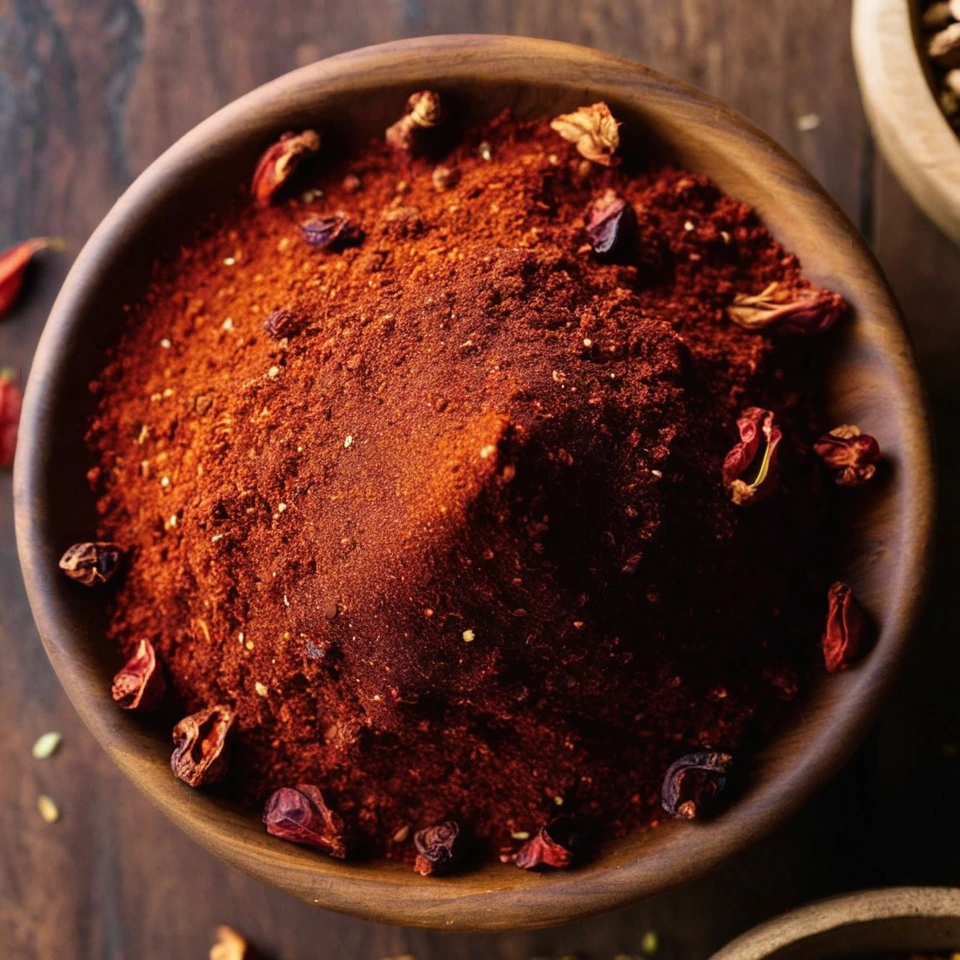
Aleppo Pepper
Aleppo pepper offers a harmonious balance of heat and sweetness, with a subtle fruity aroma reminiscent of sun-dried tomatoes and currants. Originating from the region around Aleppo, Syria, it has a fine, slightly coarse texture that shatters easily between fingers. Its mild yet complex flavor profile makes it a prized seasoning for enhancing dishes without overwhelming them. Valued for its versatility, it bridges the gap between spice and seasoning, bringing a touch of warmth and depth to a variety of cuisines.

Anaheim Peppers
Anaheim peppers are a mild chili pepper variety named after Anaheim, California, where they were first cultivated commercially. Originating from the New Mexico region, these peppers are celebrated for their versatility and gentle heat. They possess a flavor that is mildly sweet with a subtle tang, and a pleasant vegetal note reminiscent of green bell peppers, but with a hint of spice. Their texture is firm and crisp when fresh, becoming tender and slightly smoky when roasted or cooked. In cooking, Anaheim peppers behave well across a range of techniques, from grilling and roasting to stuffing and sautéing, contributing a nuanced depth without overwhelming other ingredients with heat.
Recipes to try
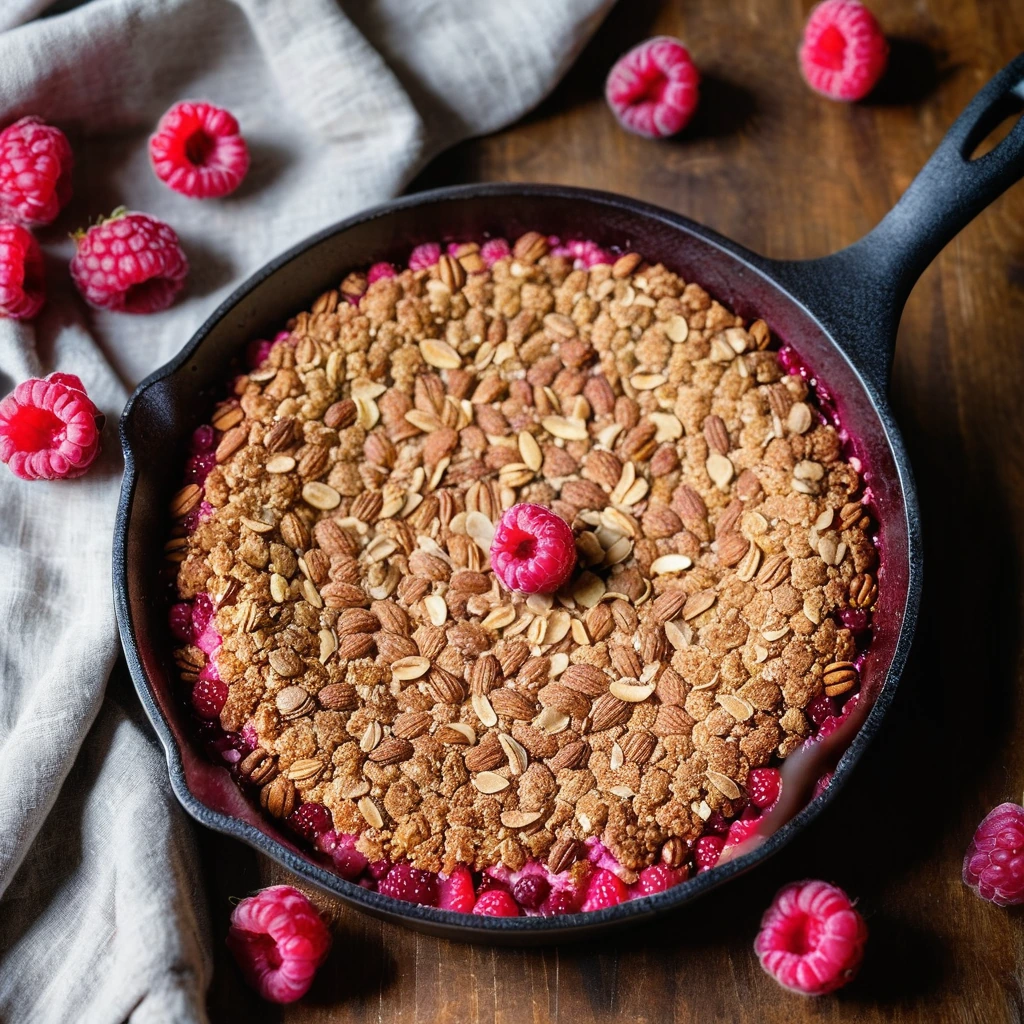
Raspberry Almond Crumble Skillet
A symphony of sweet raspberries nestled under a golden, almond-studded crumble, perfect for cozy evenings and brunch spreads.
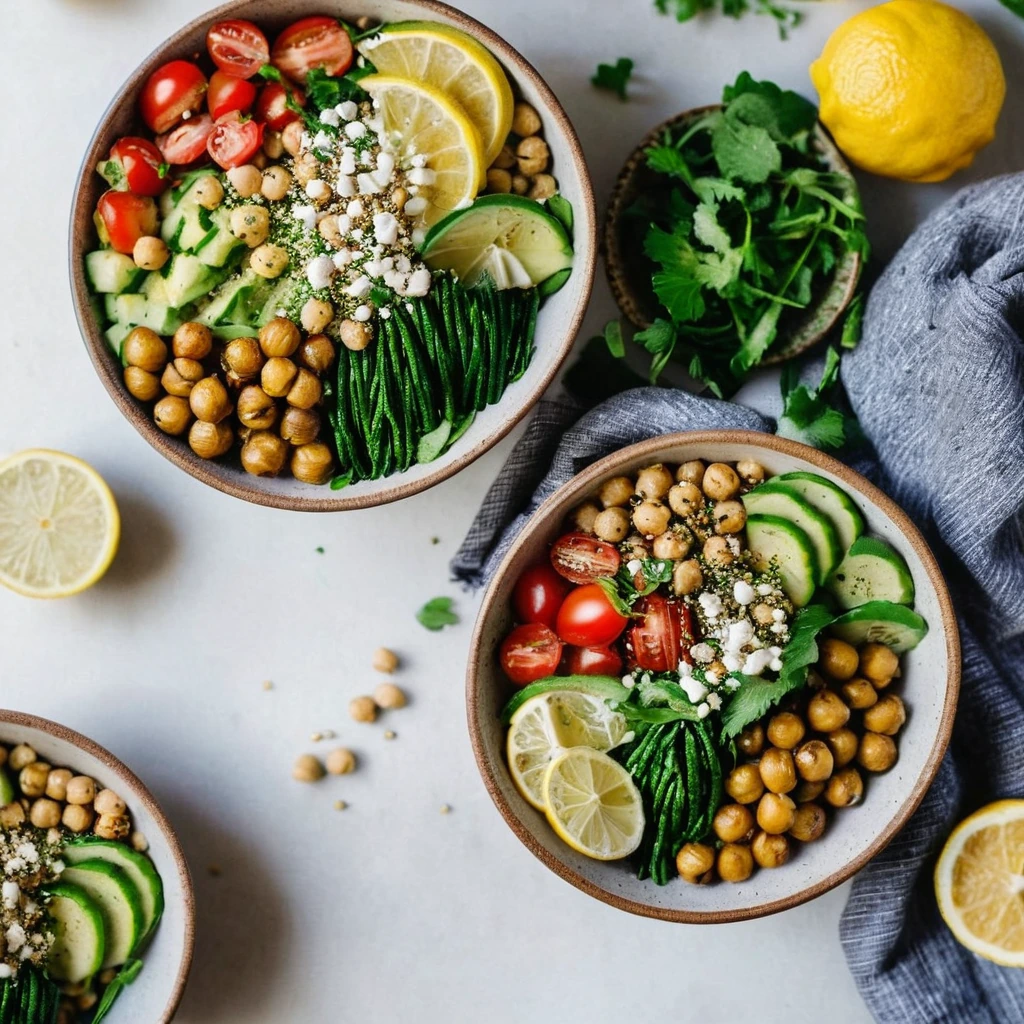
Mediterranean Chickpea Bowls with Lemon Tahini
A vibrant medley of textures and flavors, these bowls are packed with lemony tahini drizzle and fresh Mediterranean herbs.