Baking Technique: Letting Batters Rest to Hydrate Flour Fully
In the world of baking, patience is a virtue, especially when it comes to letting batters rest. This technique, often overlooked, is crucial for achieving a tender, even texture in your baked goods. When you mix flour with liquid, the proteins in the flour begin to hydrate and swell. However, this process isn’t instantaneous. Allowing the batter to rest gives the flour time to fully absorb the liquid, ensuring a consistent structure throughout. This resting period can range from 30 minutes to several hours, depending on the recipe. During this time, the gluten network relaxes, starches fully hydrate, and air bubbles settle, leading to a smoother batter and a more uniform crumb. Whether you’re making pancakes, muffins, or cakes, resting the batter can make a significant difference in texture and mouthfeel. It’s a simple step that can elevate your baking from good to exceptional.
Notes
The science behind resting batters is fascinating. Flour contains starch and protein, and when mixed with liquid, the proteins (glutenin and gliadin) begin to form gluten. Resting allows the gluten strands to relax, preventing a tough final product. Meanwhile, starches fully hydrate, leading to a more tender crumb. Common mistakes include overmixing after resting or not preheating properly before use. For best results, always preheat your oven or skillet while the batter is resting. As for storage, while resting is a short-term step, unused batter can be refrigerated for up to 24 hours if covered tightly.
Steps
- 1 Prepare your batter according to your chosen recipe.
- 2 Once all ingredients are combined, stop mixing immediately.
- 3 Cover the bowl with plastic wrap or a clean kitchen towel.
- 4 Let the batter rest at room temperature for 30 minutes to 2 hours.
- 5 Avoid stirring the batter during this time.
- 6 Preheat your oven or skillet during the last 10 minutes of resting.
- 7 Gently stir the batter just before use to redistribute any settled ingredients.
- 8 Proceed with baking or cooking as directed by your recipe.
Ingredients to explore
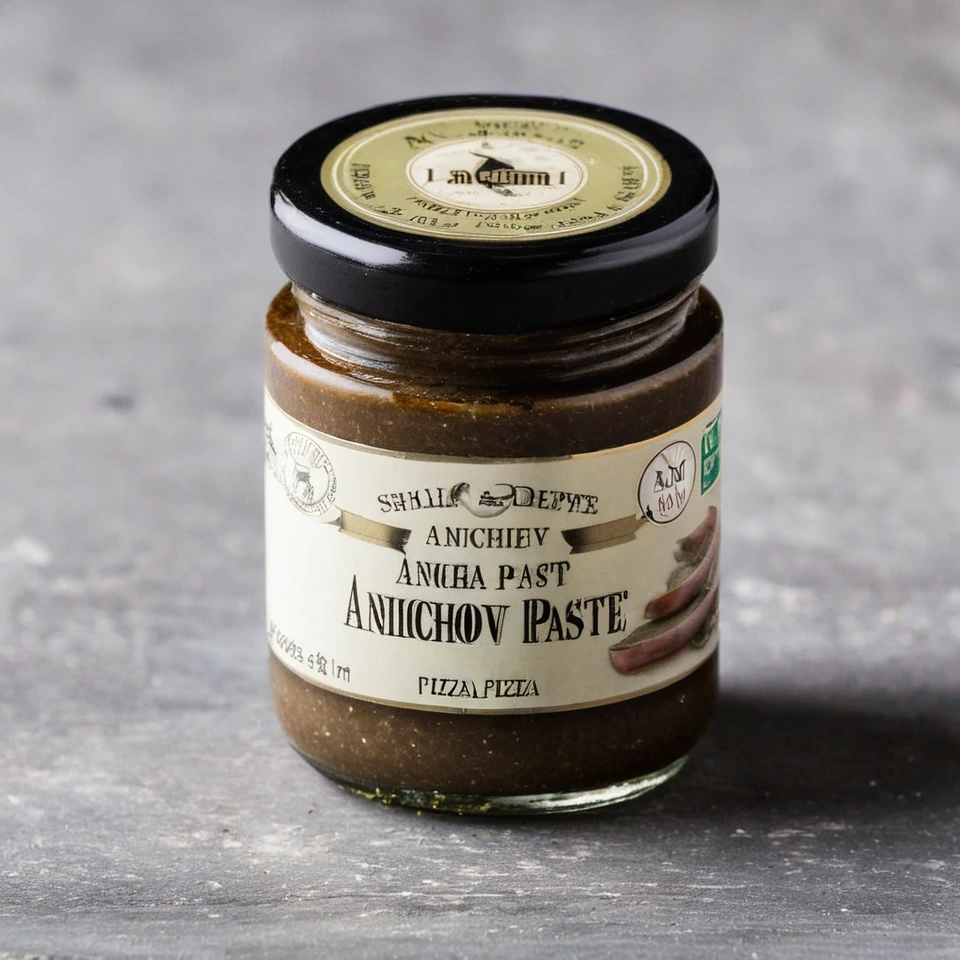
Anchovy Paste
Anchovy paste is a rich, salty spread made from finely ground anchovies, salt, and sometimes olive oil. It offers a deep umami flavor that enhances a variety of dishes.
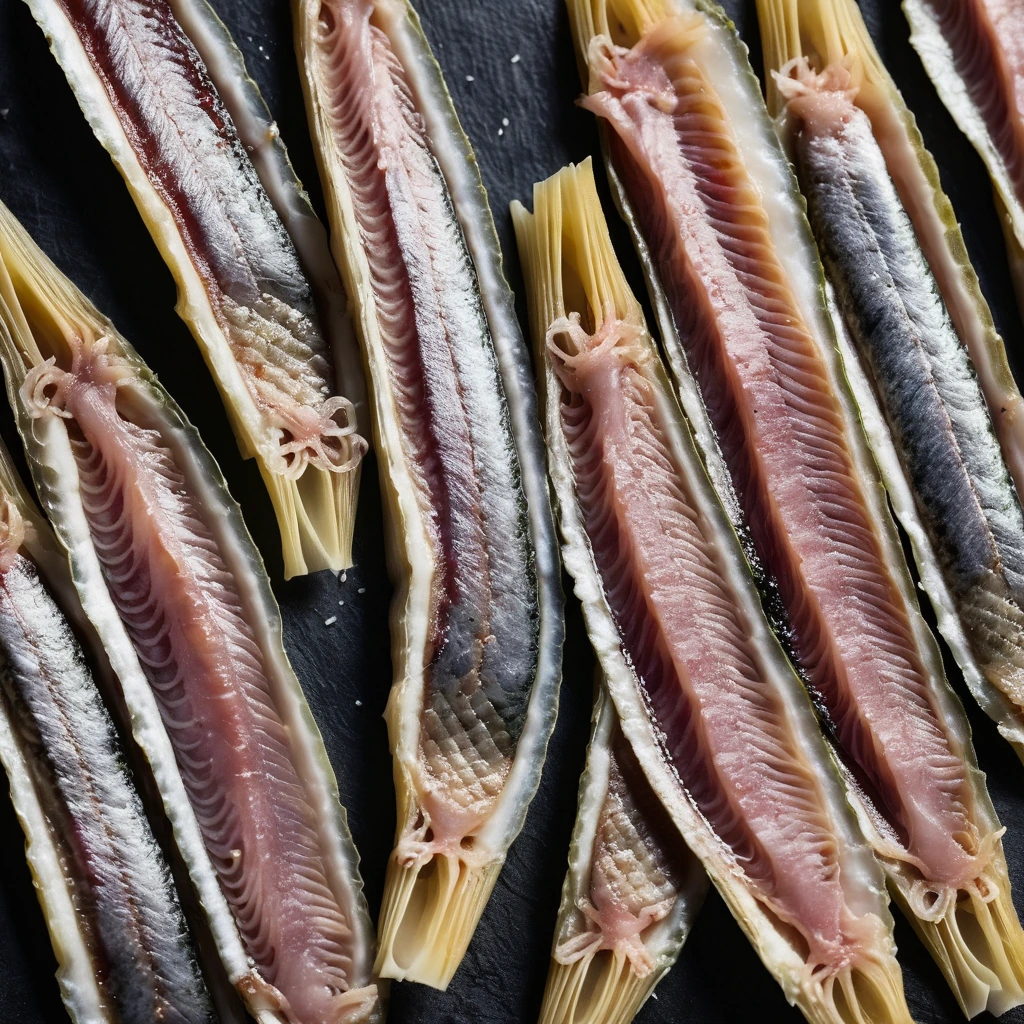
Anchovy Fillets
Silvery and succulent, anchovy fillets are a briny treasure from the sea. Their rich, umami flavor adds depth to dishes, making them a beloved ingredient in kitchens worldwide.
Recipes to try
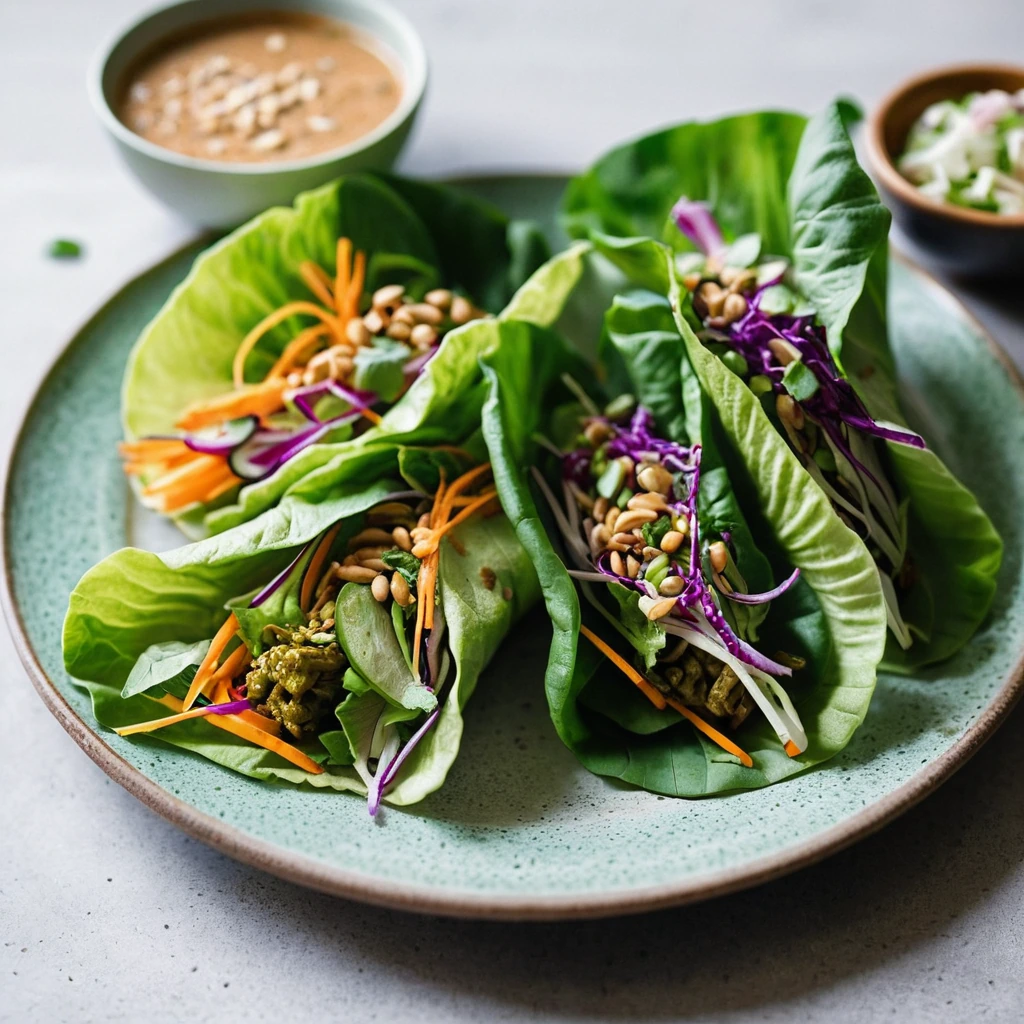
Thai Peanut Veggie Lettuce Wraps
Crispy, fresh veggies hugged by buttery lettuce leaves, drizzled with a creamy, tangy peanut sauce that'll make your taste buds do the tango.
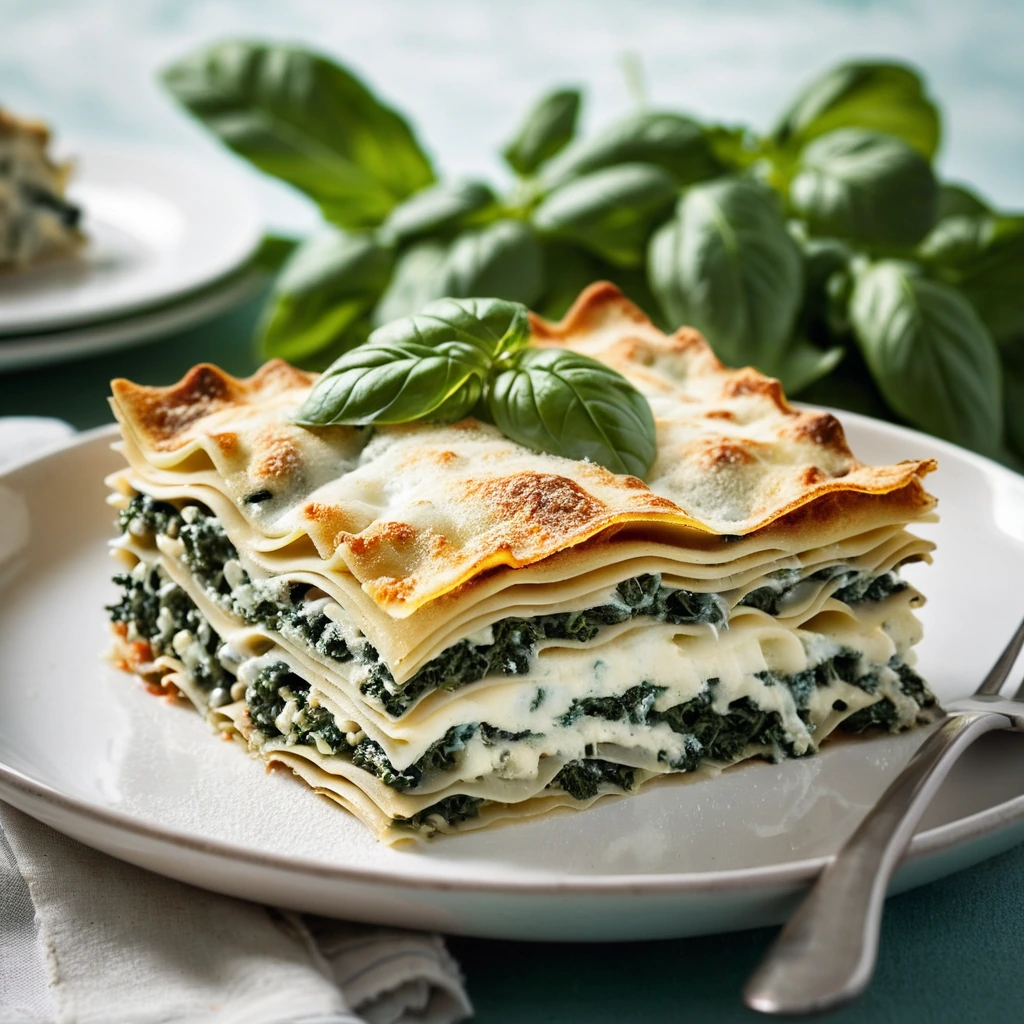
Vegetable Lasagna with Spinach and Ricotta
Layers of tender pasta, creamy ricotta, and a vibrant mix of spinach and veggies come together in a comforting, cheesy casserole.