Baking Technique: Blooming Cocoa Powder in Warm Liquid
Blooming cocoa powder in warm liquid is a technique that enhances the flavor and ensures a smooth, lump-free incorporation of cocoa into your baking recipes. This method is particularly useful for recipes like chocolate cakes, brownies, and mousse, where a velvety texture is key. By slowly dissolving cocoa powder in a warm liquid, you unlock its full potential, allowing it to release its rich, chocolatey essence. The warmth helps to coax out the cocoa's oils, which not only deepens the color but also intensifies the flavor. This technique is simple yet powerful, ensuring that your baked goods achieve a professional touch. Additionally, blooming cocoa powder prevents clumping, which can be a common issue when working with dry cocoa powder directly. Understanding the science behind this technique will elevate your baking game, making it an indispensable skill in your culinary repertoire. The process involves gently heating a liquid, whisking in the cocoa powder until fully dissolved, and then incorporating this mixture into your recipe. This method guarantees a smooth batter and a more profound chocolate flavor that will impress your family and friends.
Notes
The blooming technique works by gently hydrating the cocoa powder, which allows it to release its oils and flavor compounds more effectively. This is particularly important for natural cocoa powders, which are less processed and can be more prone to clumping. A common mistake is using liquid that is too hot, which can cause the cocoa to seize and form clumps. Always ensure the liquid is warm but not boiling. For safety, be cautious when handling hot liquids to avoid burns. This technique can be done ahead of time; simply store the bloomed cocoa mixture in an airtight container in the refrigerator for up to 24 hours. When ready to use, bring it back to room temperature for even incorporation into your batter.
Steps
- 1 Measure out your cocoa powder into a small bowl.
- 2 Warm your chosen liquid (water, milk, or cream) in a saucepan over low heat to about 120°F.
- 3 Remove the saucepan from heat to avoid scorching.
- 4 Slowly pour about half of the warm liquid into the cocoa powder while whisking vigorously to prevent clumps.
- 5 Continue whisking until the cocoa powder is completely dissolved and the mixture is smooth.
- 6 Gradually add the remaining warm liquid, whisking continuously.
- 7 Check for any undissolved cocoa powder and whisk until fully incorporated.
- 8 Allow the mixture to cool slightly before adding it to your recipe.
- 9 Incorporate the cocoa mixture into your batter or dough as directed by your recipe.
Ingredients to explore

Anchovy Fillets
Silvery and succulent, anchovy fillets are a briny treasure from the sea. Their rich, umami flavor adds depth to dishes, making them a beloved ingredient in kitchens worldwide.
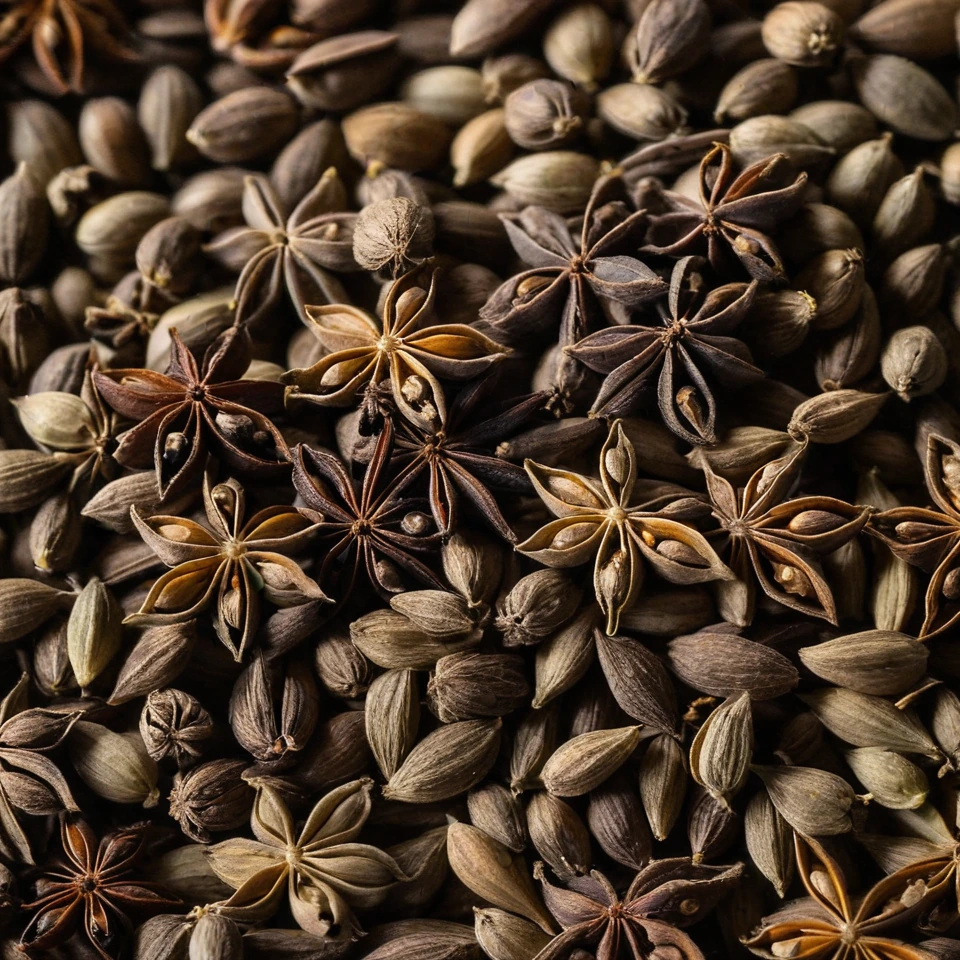
Anise Seeds
Anise seeds are small, oval seeds with a sweet, licorice-like flavor. They are commonly used in both sweet and savory dishes, offering a warm, aromatic taste.
Recipes to try

Sausage and Feta Stuffed Mini Peppers
These adorable mini peppers are packed with a savory blend of sausage and creamy feta, delivering a burst of flavor in every bite.

Sausage and Ricotta Stuffed Squash Boats
Tender roasted squash halves are stuffed with a savory mix of Italian sausage and creamy ricotta, making for a comforting and hearty meal.