Baking: Rolling Pie Dough Evenly
Achieving an evenly rolled pie dough is a foundational skill in baking that ensures your pie crust is consistently thick and bakes uniformly. This technique is crucial for both novice and experienced bakers alike, as it directly impacts the texture and appearance of your pie. To start, understand that pie dough should be cold when you begin rolling. This keeps the fat solid, creating those desirable flaky layers. The surface you roll on should be lightly floured to prevent sticking, but not so much that the dough becomes dry and tough. Patience is key; rolling pie dough is not a race. Work methodically to achieve an even thickness, typically around 1/8 to 1/4 inch, depending on your pie's needs. As you roll, lift and rotate the dough frequently to ensure it isn't sticking and to promote an even shape. Use benchmarks like the edge of a ruler or a pie plate to gauge your progress. If the dough becomes too warm and sticky, don't hesitate to pop it back in the fridge for a bit. This technique isn't just about rolling; it's about understanding the dough's behavior and responding accordingly to create the perfect crust.
Notes
The science behind evenly rolling pie dough lies in maintaining the integrity of the fat particles within the dough. Cold temperatures keep these particles solid, leading to flakiness when baked. A common mistake is overworking the dough, which can lead to a tough crust. To avoid this, handle the dough as little as possible and work quickly. Another issue is inconsistent thickness, which can cause uneven baking. Regularly checking the dough's thickness and rotating it helps prevent this. Safety-wise, ensure your work surface is clean and that you use a rolling pin with handles for better control. For make-ahead, roll out the dough, wrap it around the rolling pin, and refrigerate until ready to use. Stored properly in the fridge, rolled dough can last up to 2 days.
Steps
- 1 Chill your pie dough in the refrigerator for at least 30 minutes before rolling.
- 2 Lightly flour your work surface and rolling pin.
- 3 Place the dough in the center of the floured surface.
- 4 Starting from the center, roll the dough outward in all directions.
- 5 Lift and rotate the dough 90 degrees after each roll.
- 6 Use a ruler or pie plate to check the dough's thickness, aiming for 1/8 to 1/4 inch.
- 7 If the dough becomes too warm, return it to the fridge for 10-15 minutes.
- 8 Once rolled to the desired thickness, fold the dough loosely around the rolling pin.
- 9 Unroll the dough gently over your pie dish or tart pan.
- 10 Patch any thin spots with additional dough, if necessary.
- 11 Trim excess dough, leaving a slight overhang for crimping.
Ingredients to explore

Andouille Sausage
Andouille sausage is a coarse-grained, smoked pork sausage with a rich history rooted in French cuisine, particularly from the Alsace region. It was adapted in Louisiana, where it became a staple in Cajun and Creole cooking. The sausage is known for its robust, smoky flavor with hints of garlic, pepper, and other spices, creating a spicy and savory profile. Its texture is firm yet slightly chewy, making it a hearty addition to dishes. When cooked, andouille sausage maintains its shape well and infuses dishes with its distinctive smoky essence, enhancing stews, soups, and rice dishes.
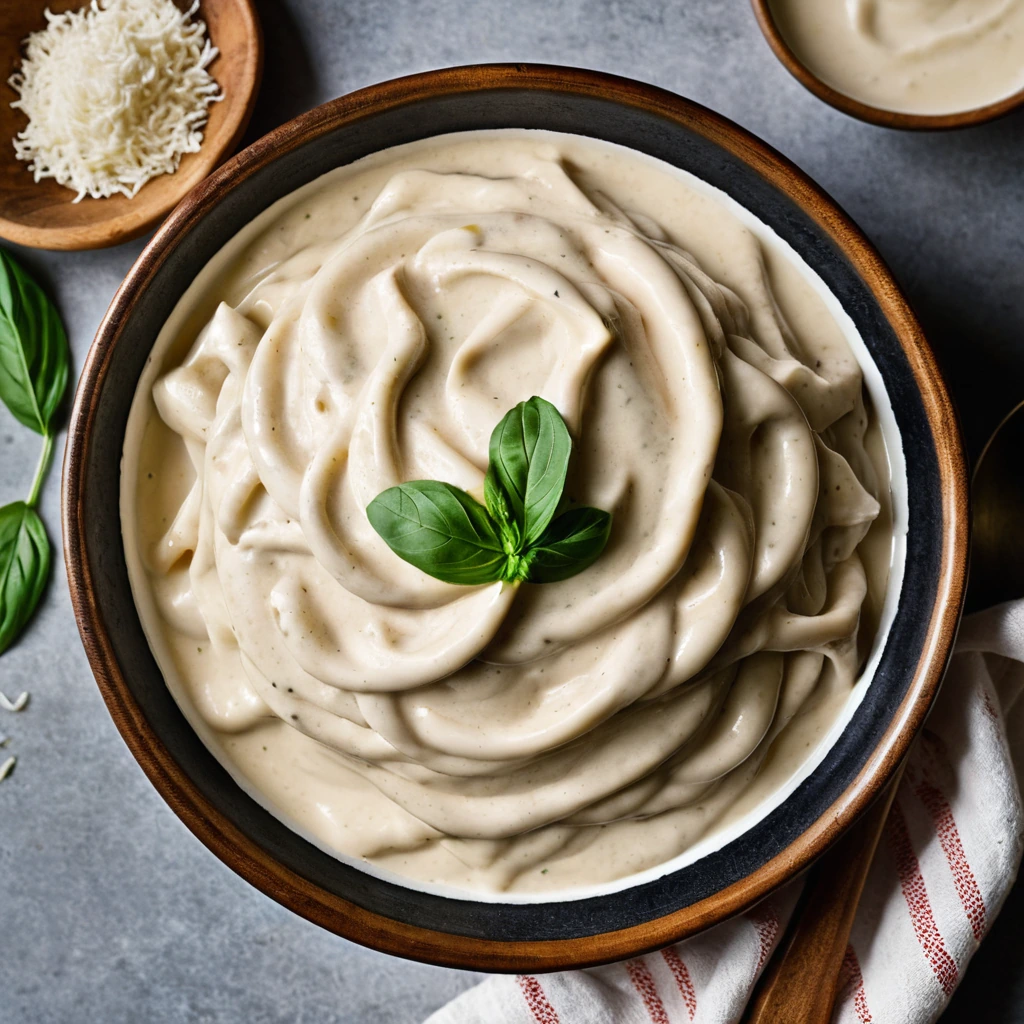
Alfredo Sauce
Creamy, rich, and utterly indulgent, Alfredo sauce is a dreamy blend of butter, heavy cream, and Parmesan cheese. Its velvety texture and savory depth make it a beloved staple in Italian-American cuisine.
Recipes to try

Smoked Sausage, Corn, and Potato Casserole
A hearty, golden-brown casserole bursting with smoky sausage, sweet corn, and tender potatoes.
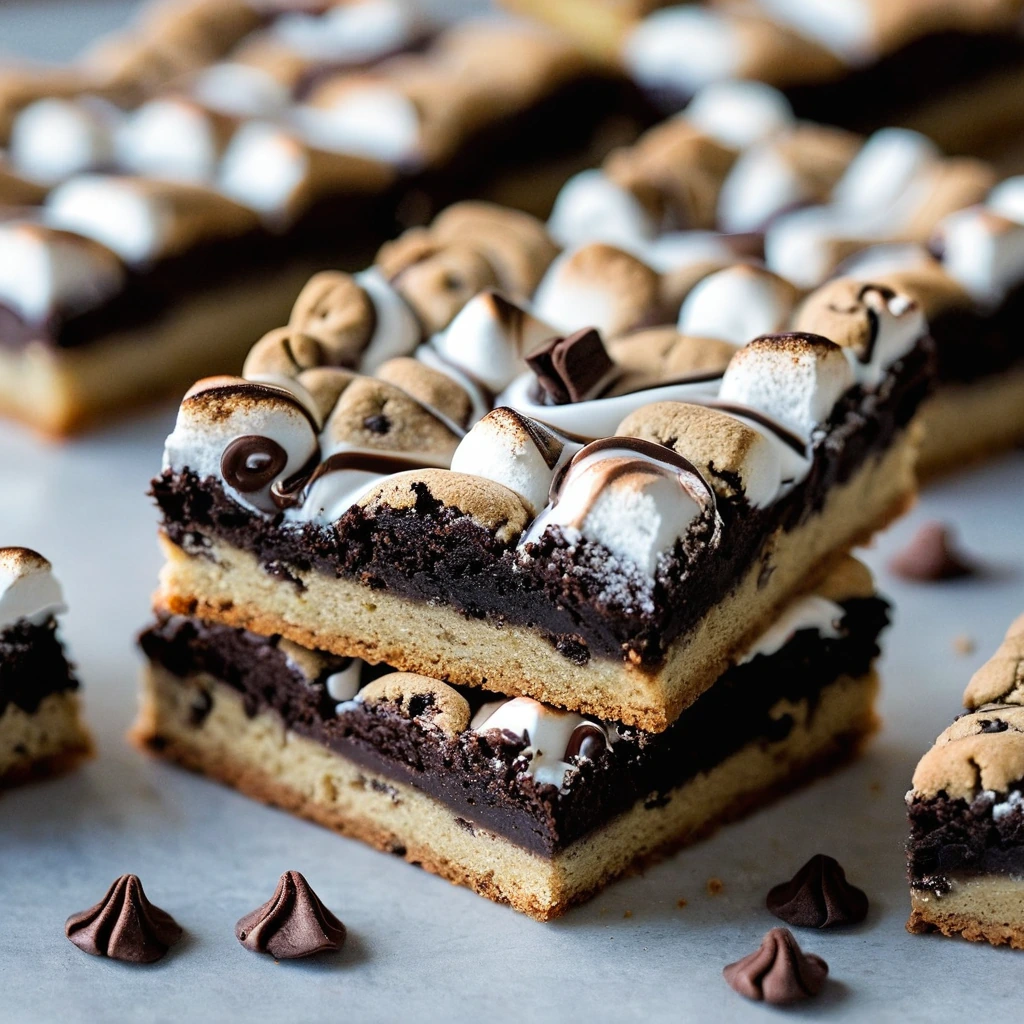
S’mores Cookie Bars with Marshmallow Swirl
Chocolatey, gooey, and utterly irresistible – these S’mores Cookie Bars are a campfire classic reimagined into a decadent dessert.