Baking: Creaming Butter and Sugar Properly
Creaming butter and sugar is a foundational baking technique that transforms ordinary ingredients into a fluffy, aerated mixture essential for tender, moist cakes and cookies. It involves beating softened butter and granulated sugar together until light and creamy, incorporating air and creating tiny air pockets that expand during baking. The key to successful creaming lies in starting with the right texture of butter—it should be soft enough to be pliable but not melted. Achieving this balance ensures the mixture can trap air effectively, leading to a lighter texture in your baked goods. The process also dissolves sugar into the butter, creating a stable emulsion that enhances the spreadability and structure of cookies or the tenderness and volume of cakes. Understanding the nuances of this technique can elevate your baking from good to gourmet. The right tools, like a sturdy stand mixer or hand mixer, and patience are crucial. Overmixing or und mixing can lead to undesirable results, so it's important to recognize the visual and textural cues that indicate when the creaming is complete. This technique is not just about mixing; it's about mastering the art of incorporating air and sugar into butter in a precise manner, ensuring your baked goods rise properly and have the perfect crumb and texture.
Notes
The science behind creaming is fascinating: beating butter and sugar together not only incorporates air but also dissolves the sugar into the fat, creating an emulsion. This emulsion stabilizes the air bubbles, which expand during baking and help your baked goods rise. Common mistakes include using butter that is too warm (which can lead to a greasy mixture) or too cold (which won't cream properly). Always ensure your butter is just right for the best results. As for storage, you can't really make this step ahead since the creamed mixture is a starting point for most recipes. However, if you need to pause, cover the bowl and resume within an hour to prevent the butter from absorbing odors. Keep your mixing tools clean and free of any residual ingredients to avoid affecting the texture.
Steps
- 1 Ensure your butter is at room temperature (65°F to 68°F) and cut into tablespoon-sized pieces.
- 2 Place the butter into the bowl of a stand mixer or a large mixing bowl if using a hand mixer.
- 3 Add the granulated sugar to the butter. Use a 1:1 ratio by weight for a classic balance of sweetness and structure.
- 4 Start mixing on low speed to combine the butter and sugar without splashing.
- 5 Increase the speed to medium and beat for 3 to 5 minutes until the mixture is pale, fluffy, and significantly increased in volume.
- 6 Scrape down the sides and bottom of the bowl with a spatula to ensure even creaming.
- 7 Continue beating for another 1 to 2 minutes, checking for a smooth, creamy texture with no graininess from the sugar.
- 8 Stop mixing once the butter and sugar are fully combined and airy, resembling whipped cream in texture.
Ingredients to explore

Anchovy Fillets
Silvery and succulent, anchovy fillets are a briny treasure from the sea. Their rich, umami flavor adds depth to dishes, making them a beloved ingredient in kitchens worldwide.
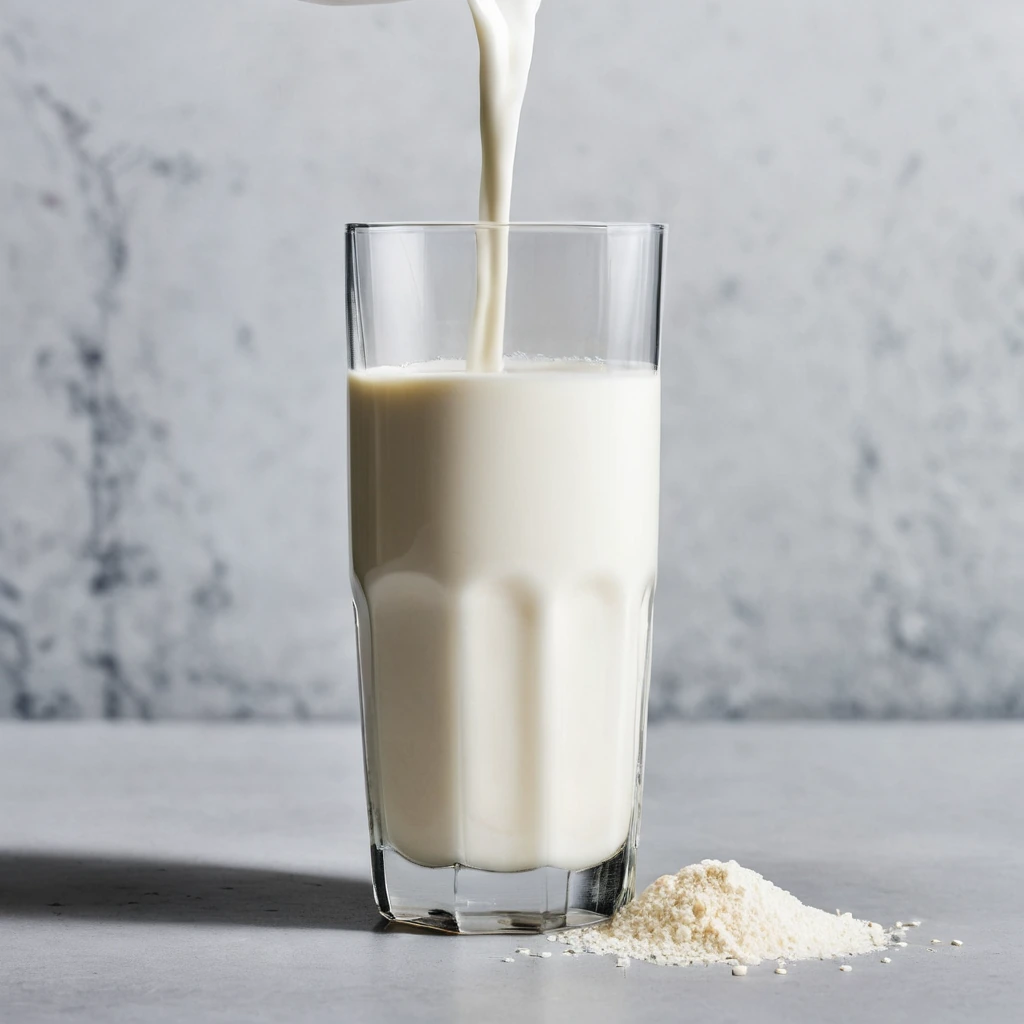
2% Milk
Creamy and just a touch lighter than whole milk, 2% milk offers a perfect balance of richness and reduced fat. Its smooth texture and subtle sweetness make it a delightful choice for sipping or cooking.
Recipes to try
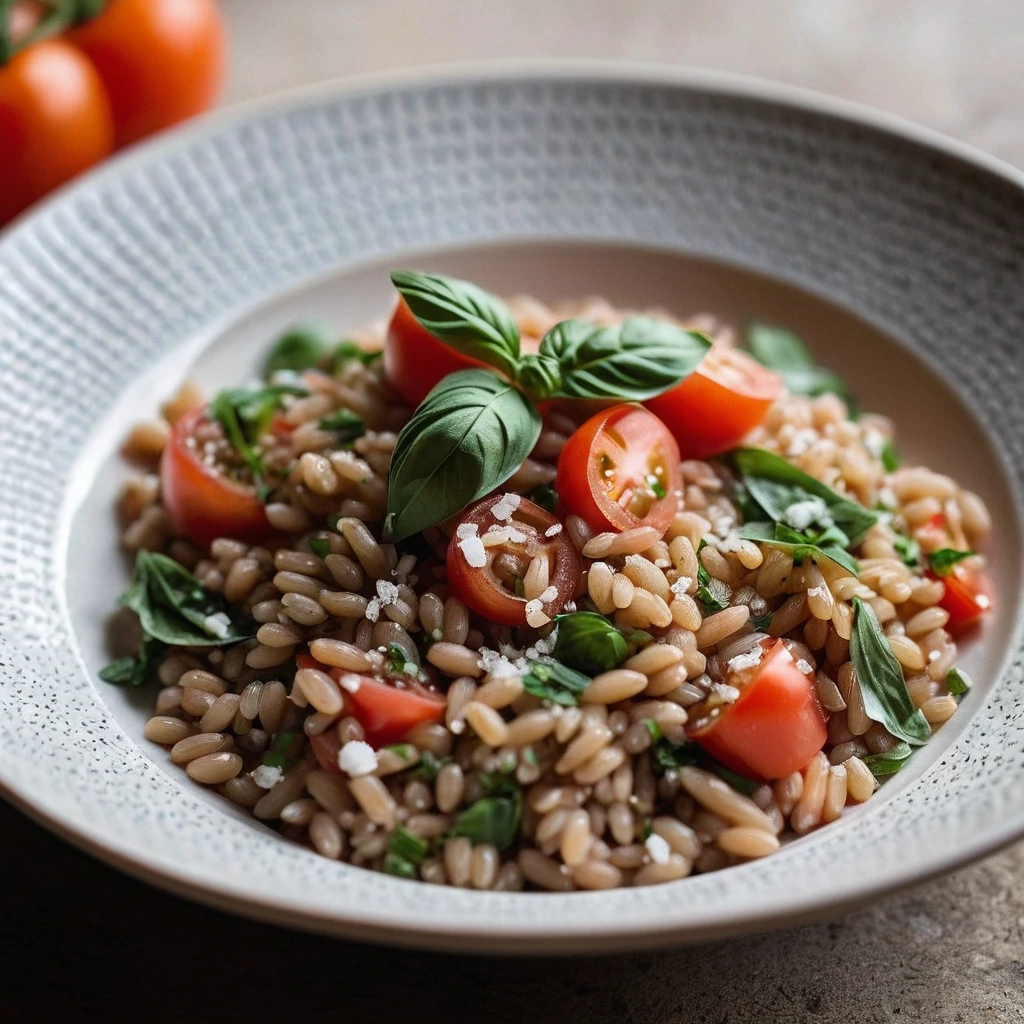
Tomato Basil Parmesan Farro Risotto
Creamy farro risotto kissed with fresh basil and sun-ripened tomatoes, topped with a generous sprinkle of Parmesan.
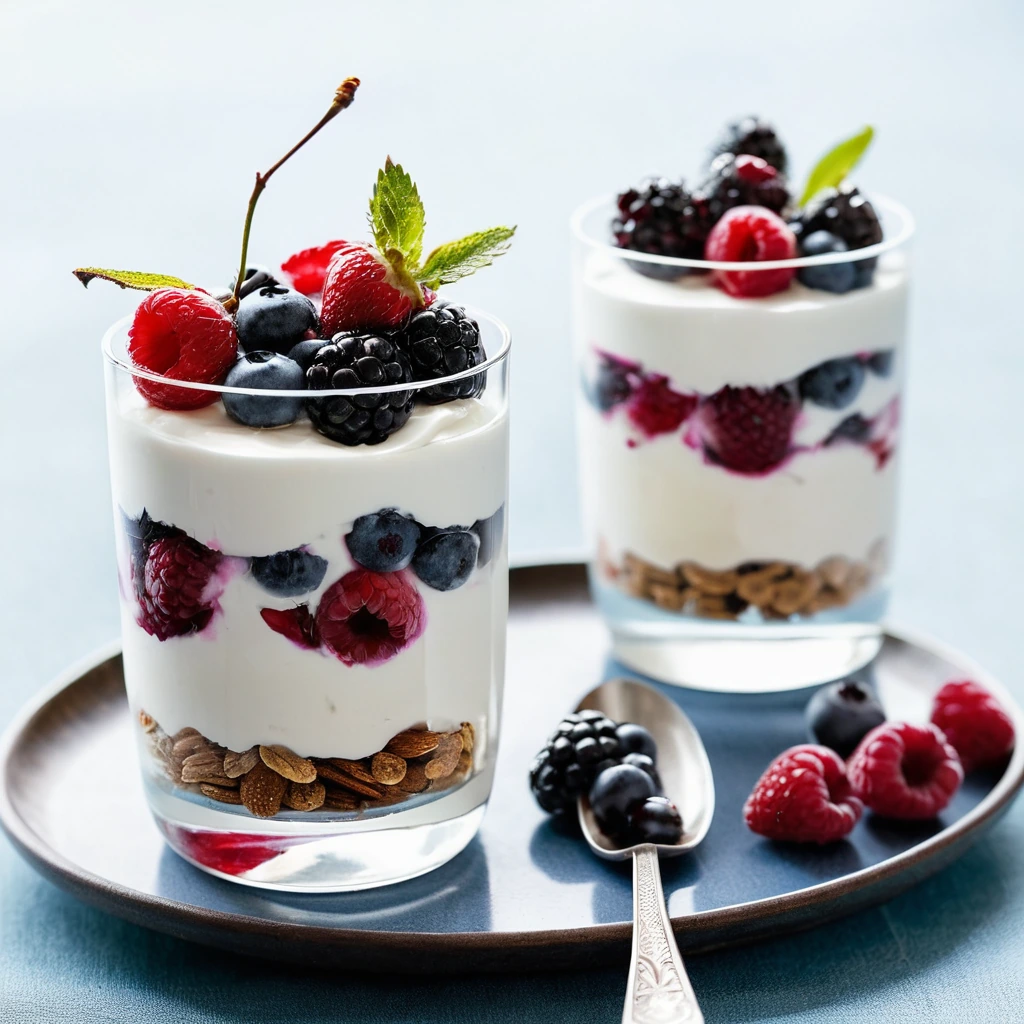
Vanilla Yogurt Parfaits with Roasted Berries
Creamy vanilla yogurt layers kissed by sweet, smoky roasted berries create a parfait that's both comforting and refreshing.