The Science of Boiling: Blanching, Parboiling, and Rolling Boils
Unlock the secrets of boiling with a deep dive into blanching, parboiling, and rolling boils. Elevate your cooking game with science-backed techniques.
Introduction
Ah, boiling water. It’s the culinary equivalent of flipping a coin – simple, yet full of mystery. But did you know that boiling is more nuanced than just waiting for bubbles to surface? Let’s dive into the steamy science of boiling, exploring blanching, parboiling, and the mighty rolling boil.
The Basics of Boiling
Boiling is a phase transition from liquid to gas. Water boils at 212°F (100°C) at sea level, creating those familiar bubbles bursting at the surface. But not all boils are created equal.
What is a Rolling Boil?
A rolling boil is vigorous and chaotic. Picture a pot of water with large, powerful bubbles breaking the surface rapidly – that's your cue for tasks like blanching pasta or sterilizing jars.
Blanching: The Quick Plunge
Blanching is like a brisk dip in a pool – quick and refreshing. It involves submerging vegetables or fruits in boiling water for a brief period, usually 20-30 seconds to a few minutes, depending on the ingredient.
- Preserves color
- Halts enzyme activity
- Prepares veggies for freezing
After blanching, plunge your produce into an ice bath to stop the cooking process. This snappy transition keeps veggies vibrant and crisp.
Parboiling: The Prelude to Perfection
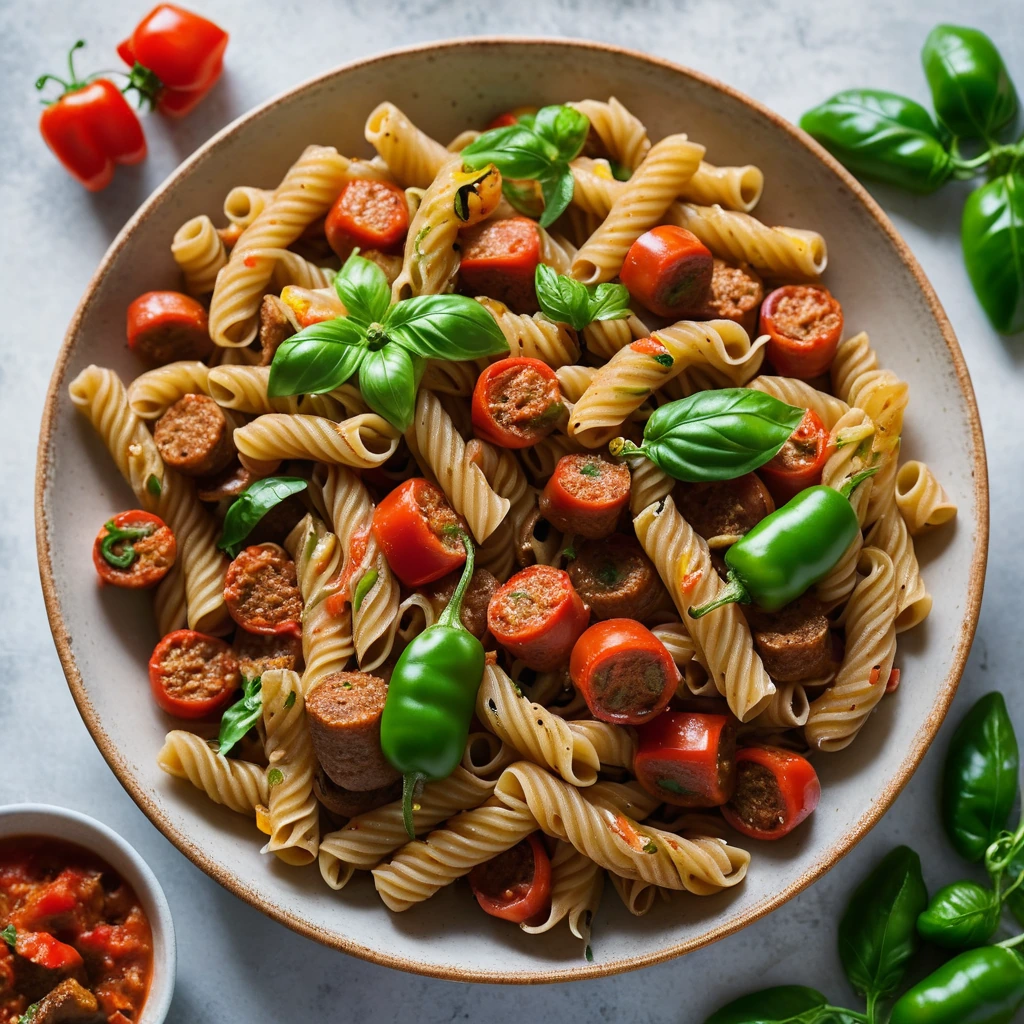
Parboiling is boiling food partially, like a preview of the main act. This technique is often used for potatoes, corn, or pasta before roasting, grilling, or finishing in another method.
The goal? Softening the center while keeping the exterior intact for further cooking. Parboil potatoes for about 5-7 minutes – they should yield slightly to a fork but still be firm.
Temperature Matters
Temperature is everything in boiling. Here's the lowdown:
- Simmer: 180°F to 205°F (82°C to 96°C) – gentle, ideal for delicate foods like eggs or custards.
- Boil: 212°F (100°C) – standard bubble action.
- Rolling Boil: Also 212°F (100°C), but with gusto.
Remember, once water hits that 212°F mark, it won’t get hotter – it’ll just bubble more furiously.
Mini FAQ
Why blanch vegetables before freezing?
Blanching halts enzymatic actions that can cause loss of flavor, color, and texture during frozen storage. It's like hitting pause on spoilage.
Can I parboil meat?
Absolutely! Parboiling can be used for certain meats to partially cook them before grilling or roasting, ensuring they cook through without drying out.
How do I know when water is at a rolling boil?
A rolling boil is vigorous and cannot be stirred down easily. It’s when the bubbles just keep coming, like a lava lamp on steroids.
Closing Thoughts
Boiling is the unsung hero of the kitchen. Armed with the knowledge of blanching, parboiling, and rolling boils, you're ready to take control of your cooking with precision and flair. Whether you're prepping veggies or perfecting pasta, the science of boiling is your trusty sidekick.