One-Pot Meals: Flavor First, Dishes Second
Discover the joy of one-pot meals where flavor takes center stage. Minimal cleanup, maximum taste—because who needs dishes anyway?
The Magic of One-Pot Meals
Imagine this: It's a cozy evening, and dinner is simmering away in a single pot. No juggling pans, no frantic multitasking—just pure, unadulterated flavor building with each passing moment. Sound like a dream? It’s not. It’s the delightful world of one-pot meals.
Why One-Pot Meals Steal the Show
- Less cleanup: Fewer dishes mean more relaxation time post-dinner.
- Flavor fusion: Ingredients cook together, melding into a symphony of taste.
- Simplicity: Perfect for busy nights when you want to eat well without the fuss.
Flavor Foundations
Flavor is the unsung hero of any dish. In one-pot meals, it’s the main event. Here's how to make sure your meal is bursting with taste:
Start with a Solid Base
Begin with aromatics—think onions, garlic, and a splash of olive oil. Sauté them until they’re golden and fragrant. This base layer is crucial for building depth.
Spice It Up
Don’t shy away from spices. Use 1 teaspoon of cumin, ½ teaspoon of smoked paprika, and a pinch of chili flakes to kick things up a notch. Remember, you can always add more, but you can’t take it away once it’s in there.
Layer Your Liquids
Whether it’s broth, wine, or coconut milk, your liquid choice will shape your meal’s flavor profile. Use 2 cups of your chosen liquid to ensure everything cooks evenly and absorbs those rich flavors.
Cooking Techniques to Elevate Your One-Pot Game
The Sauté-and-Simmer Method
Start by sautéing your meats and vegetables. This caramelization adds layers of flavor. Then, add your liquids and let it simmer, allowing the ingredients to tenderize and flavors to meld.
Braising Brilliance
For tougher cuts of meat, braising is your best friend. Sear your meat first, then cook it slowly in a small amount of liquid at a low temperature (around 300°F). This technique breaks down fibers, making meat melt-in-your-mouth tender.
Rice Pilaf Perfection
Want to add grains? Try the pilaf method. Sauté rice in butter until translucent, then add liquid and let it absorb slowly. This creates fluffy, flavorful rice without needing a separate pot.
Actionable Tips for One-Pot Success
- Prep ahead: Chop veggies and measure spices before you start cooking.
- Taste and adjust: As your meal cooks, taste and adjust seasonings for perfect balance.
- Rest before serving: Letting your meal sit for 5-10 minutes allows flavors to settle and intensify.
Mini-FAQ: Clearing Up One-Pot Doubts
Can I use frozen veggies in a one-pot meal?
Absolutely! Just add them a bit later in the cooking process to prevent them from turning to mush.
How do I avoid a watery one-pot dish?
Make sure to simmer gently and allow time for the liquid to reduce. If needed, thicken with a slurry of 1 tablespoon cornstarch mixed with 2 tablespoons water.
What’s the best pot to use?
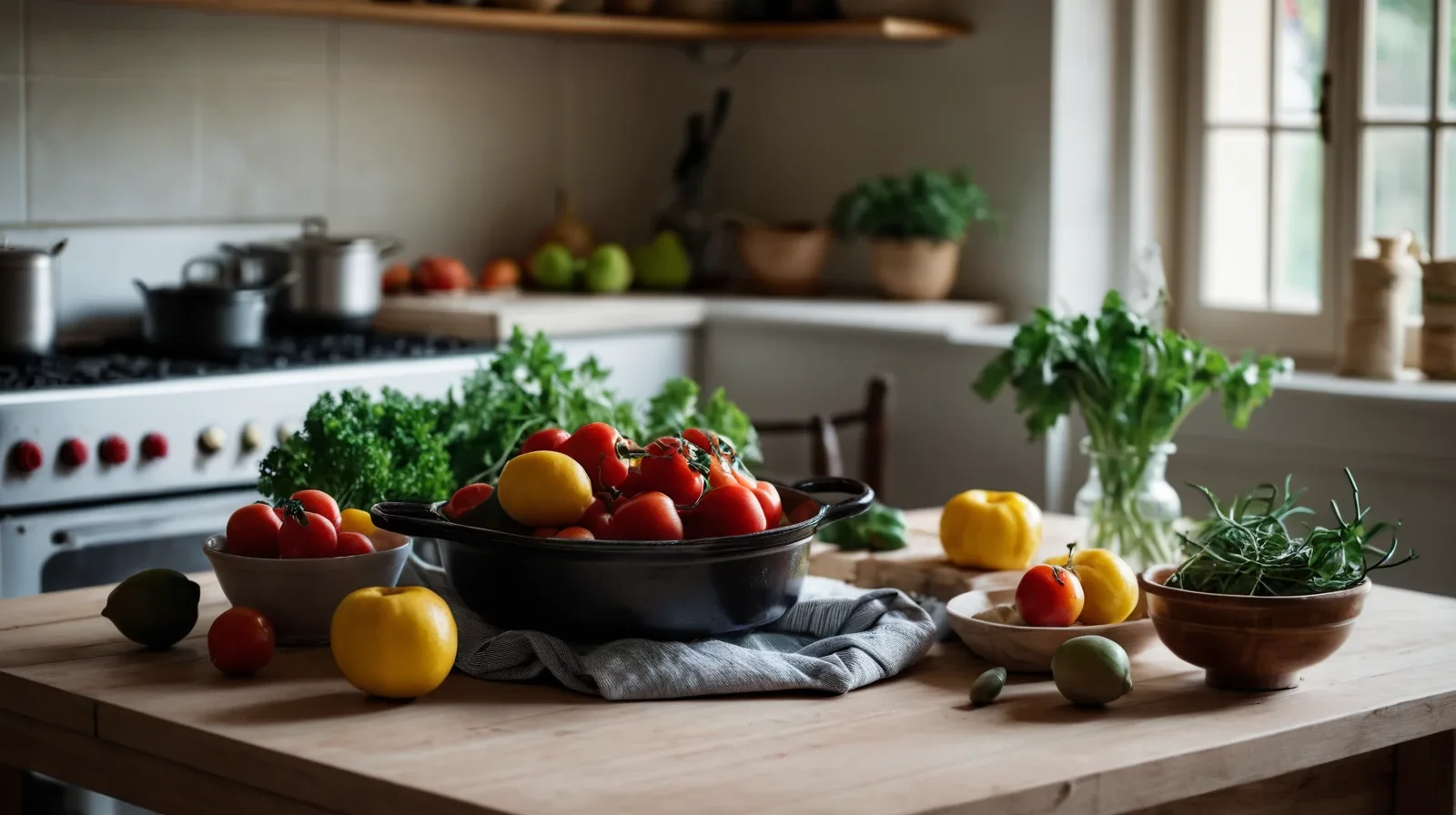
A heavy-bottomed Dutch oven or a sturdy saucepan works best. These pots distribute heat evenly and lock in flavor.
Closing Thoughts
One-pot meals are the epitome of efficiency and flavor. They’re your ticket to delicious dinners without the kitchen chaos. So, the next time you’re pondering what to cook, remember: Flavor first, dishes second. Your taste buds—and your dishwasher—will thank you.