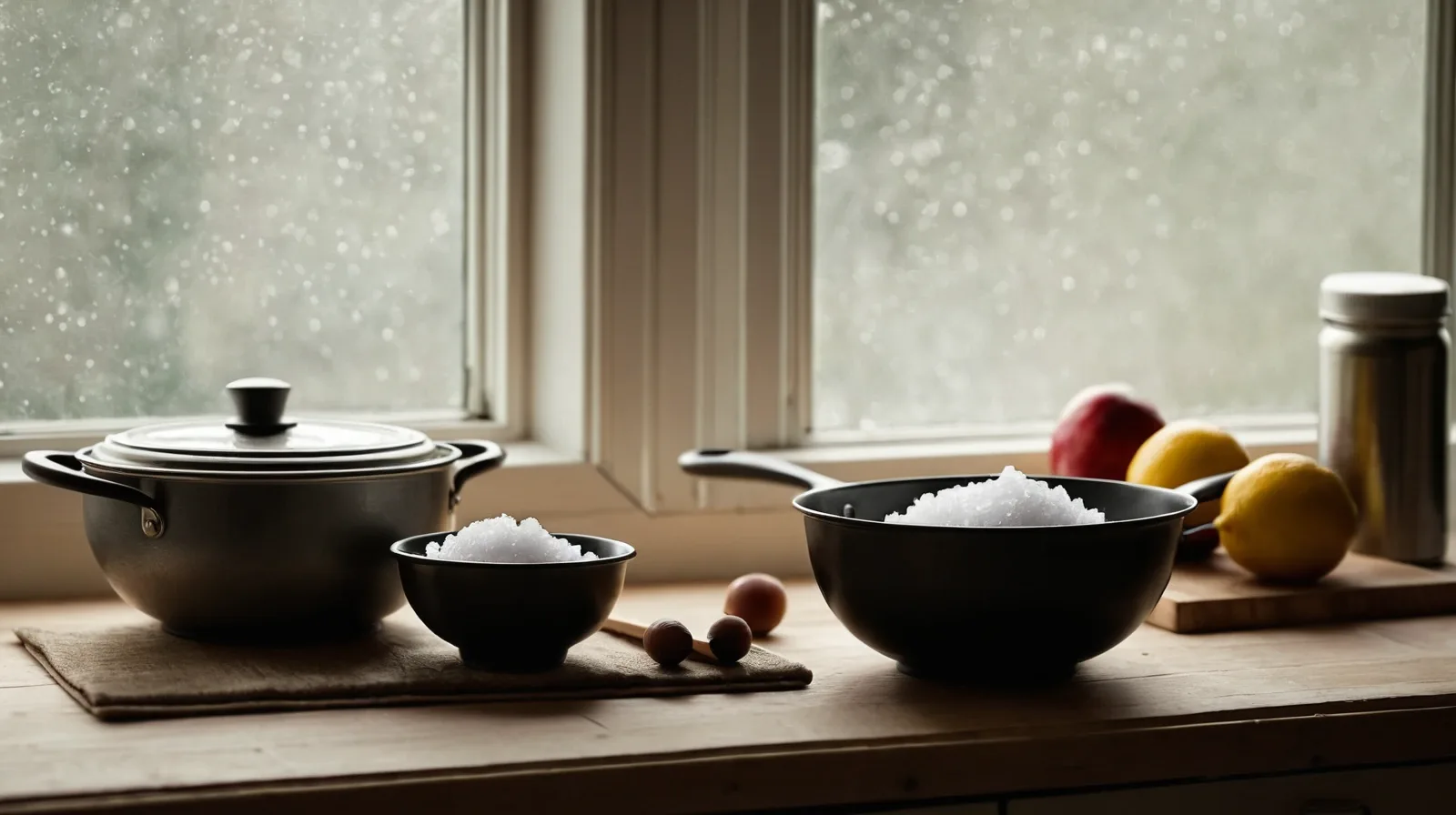
Kosher vs. Table vs. Sea Salt: When Each One Shines
Discover when to use kosher, table, or sea salt in your cooking for the best flavor. Each type of salt has its unique strengths.
The Salt Spectrum: A Flavorful Introduction
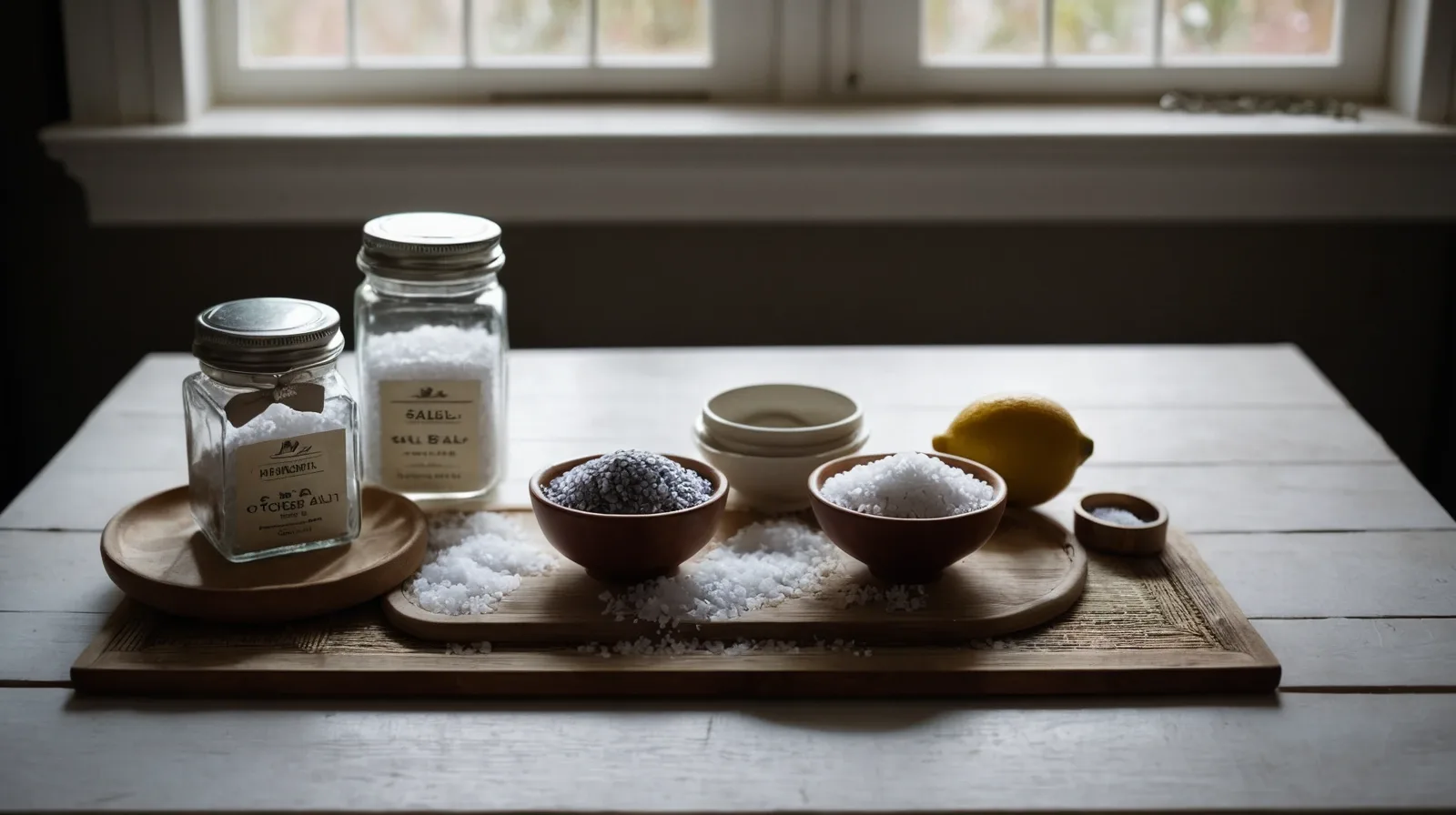
Ah, salt. The unsung hero of our pantries. But not all salt is created equal, and knowing when to use kosher, table, or sea salt can elevate your dishes from good to chef's kiss perfection.
Kosher Salt: The Cook's Bestie
With its larger, flaky crystals, kosher salt is the darling of home cooks and professionals alike. It's perfect for brining, curing, and general seasoning due to its easy-to-handle texture. Plus, its mild flavor doesn't overpower your dish.
- Use 1 tablespoon of kosher salt for every 1 teaspoon of table salt called for in a recipe.
- Ideal for seasoning steaks and roasting vegetables, where you want even coverage without the harshness of finer salts.
Table Salt: The Reliable Workhorse
Table salt, with its fine granules, dissolves quickly and is often fortified with iodine to prevent deficiencies. Its small crystals make it a go-to for baking, where even distribution is key.
- Use 1 teaspoon of table salt for every 1 teaspoon in your recipe (no conversions needed).
- Perfect for sprinkling on popcorn or adding to sauces where you need instant dissolution.
Sea Salt: The Flavor Finisher
Sea salt, with its distinctive flavor profile and crystal structure, is the finishing touch for many dishes. Its larger crystals resist dissolving quickly, which is ideal for surface seasoning just before serving.
- Best used as a finishing salt on dishes like chocolate desserts, grilled fish, or fresh salads.
- Its flavor varies wildly by source, so use sparingly to let its unique taste shine.
When Each Salt Shines: Practical Scenarios
Brining and Curing
When you're brining a turkey or curing your own bacon, kosher salt is your go-to. Its coarse crystals adhere well to the surface of meats, ensuring even seasoning penetration.
Baking
For baking, you'll want the reliability of table salt. Its fine granules ensure an even distribution throughout your dough or batter, which is crucial for yeast-based recipes.
Finishing Touches
Sea salt is the rockstar of the finishing line. Its unique texture and flavor burst make it ideal for sprinkling over avocado toast, grilled meats, or even caramelized vegetables just before serving.
Mini-FAQ
Can I substitute these salts for each other?
Absolutely, but remember to adjust quantities. Due to differences in crystal size and density, substituting one for another without adjustment can lead to overly salty (or bland) dishes.
Does the origin of sea salt affect its taste?
Yes! Sea salt from the Himalayas tastes different from that harvested off the coast of Brittany, thanks to trace minerals present in their respective environments.
Closing Thoughts
Choosing between kosher, table, and sea salt doesn't have to be daunting. Each type has its moment to shine, and understanding their unique qualities will make you a more versatile cook. Keep them all on hand, and let your taste buds be your guide.