How Gluten Works in Bread, Pasta, and Baked Goods
Discover how gluten gives structure to your bread, chew to your pasta, and flakiness to your pastries. Let's dive into the sticky science of gluten.
The Sticky Situation: What is Gluten?
Ah, gluten. It's a word that's sparked dinner-table debates, spawned an entire aisle in the grocery store, and left many home bakers scratching their heads. But what exactly is gluten, and why is it so darn important in the world of bread, pasta, and baked goods?
Breaking Down the Breadcrumbs
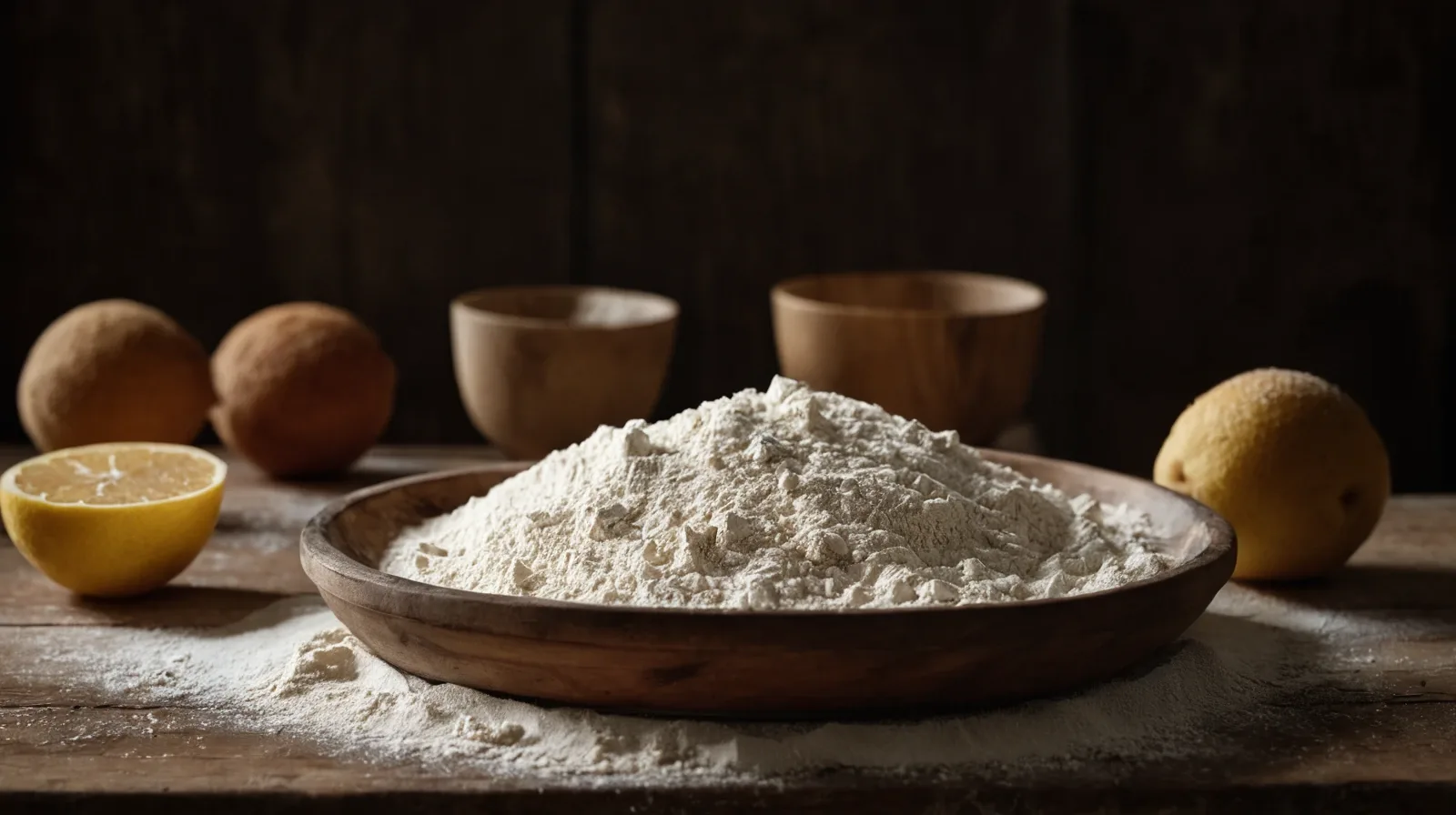
Gluten is a protein composite found in wheat and related grains like barley and rye. It's made up of two proteins: glutenin and gliadin. When you mix flour with water, these proteins get cozy and form a stretchy network that traps gas bubbles, giving your dough structure and chew.
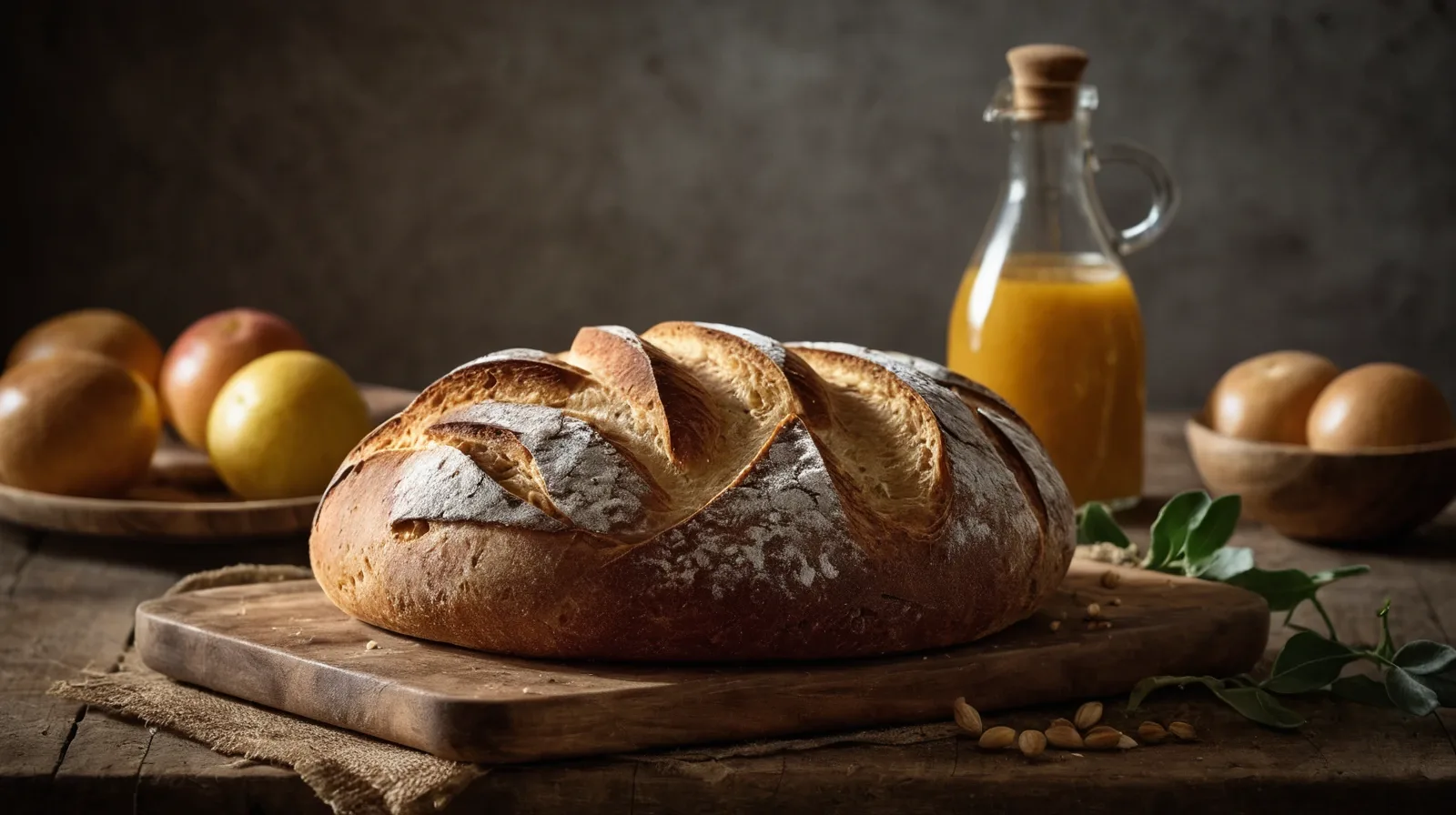
Gluten in Bread: The Backbone of Your Boule
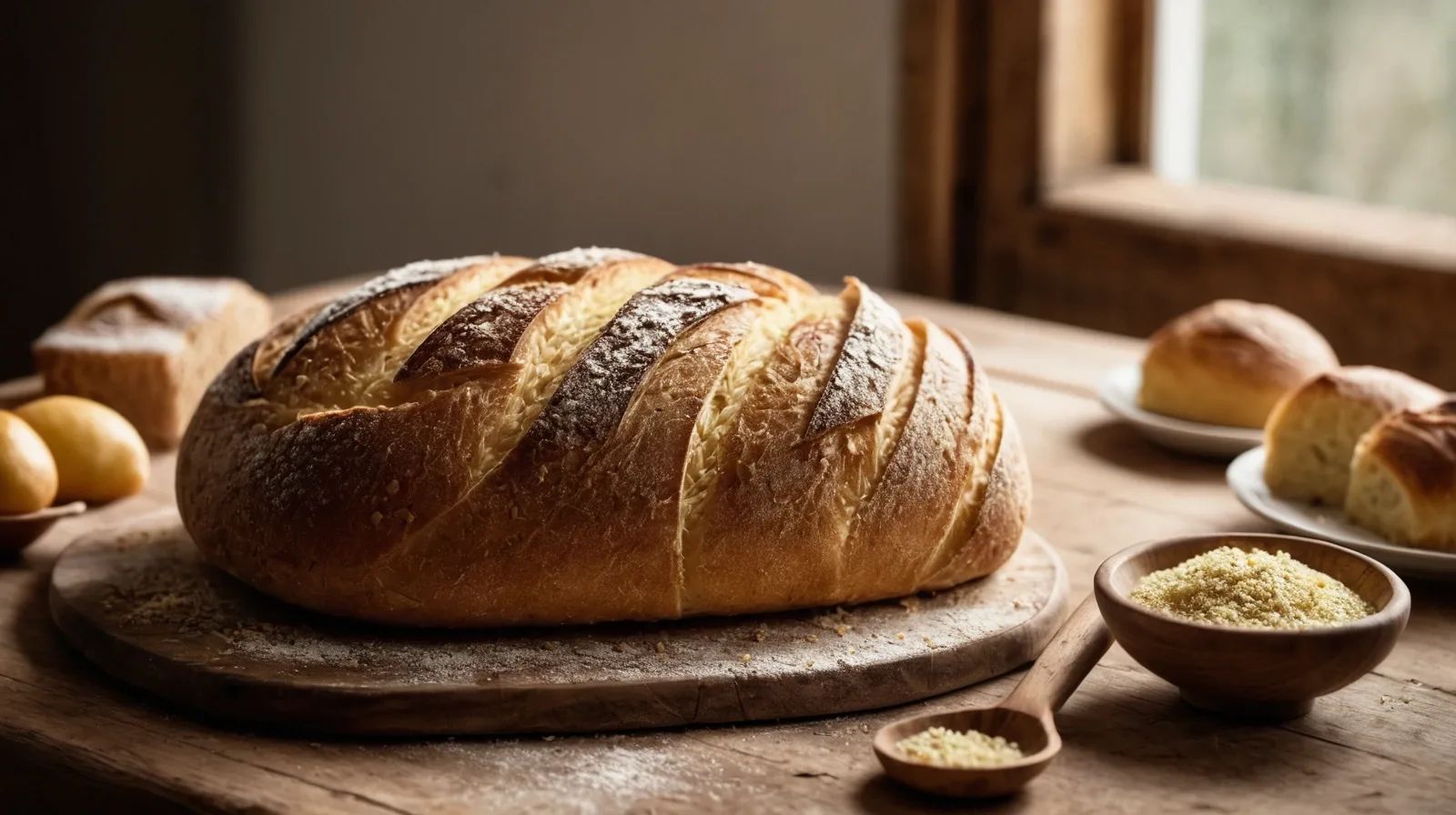
In bread, gluten is the backbone. Kneading develops gluten strands, creating a web-like structure that holds carbon dioxide produced by yeast. This is what gives your loaf lift and that delightful springy texture. But too much kneading? You'll end up with a brick. Too little? A dense, sad puck.
Finding the Goldilocks Zone
To get that perfect texture, knead your dough until it's smooth and elastic, usually about 10-15 minutes by hand. If you're using a stand mixer, 5-7 minutes on medium speed should do the trick. And remember, let your dough rest and rise—it's not just loaf meditation time; it's crucial for gluten relaxation and gas expansion.
Pasta: The Chewy Culprit
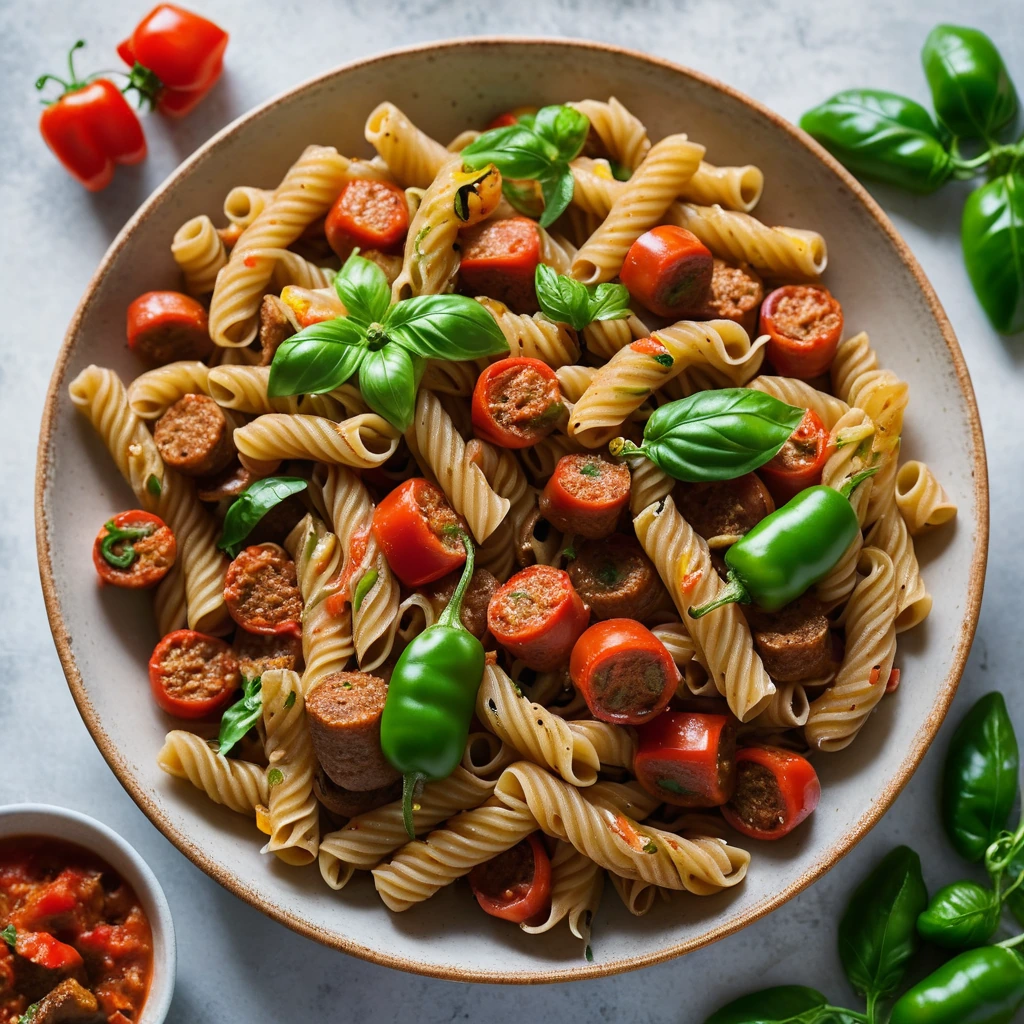
Ever wonder why pasta has that satisfying chew? Thank gluten. When pasta dough is rolled thin and cut into shapes, gluten provides structure that holds up during boiling. Without it, your fettuccine would turn into a mushy mess.
The Al Dente Secret
To achieve that perfect al dente texture, gluten needs to be properly developed in your pasta dough. This usually involves mixing durum wheat flour with eggs and kneading until smooth. Cooking time is also key—boil until the pasta offers a slight resistance when bitten, typically around 8-11 minutes.
Baked Goods: Flaky, Tender, and Everything in Between
In pastries and cakes, gluten is a bit of a double-edged sword. Too much, and your croissant becomes a leather shoe; too little, and your cake crumbles like a sandcastle at high tide.
Balancing Act
To strike the right balance in cakes, use a lighter hand when mixing to avoid overdeveloping gluten. In flaky pastries like croissants, layers of butter inhibit gluten formation, leading to that coveted flaky texture. And for cookies? The type of flour you use can dial in the texture you desire—cake flour for delicate, bread flour for chewy.
Pro Tips for Working with Gluten
- Experiment with hydration levels: Flour absorbs water differently depending on humidity, so adjust your recipe's water content accordingly.
- Use a bench scraper: It helps control the dough without overworking it.
- Rest your dough: This allows gluten to relax, making it easier to shape and less likely to shrink back during baking.
Mini FAQ
Can I make bread without gluten?
Absolutely! Gluten-free bread uses alternative flours like almond or rice flour, often combined with binding agents like xanthan gum to mimic gluten's structure.
Why does my pasta stick together?
Undercooked pasta or insufficient water can cause sticking. Make sure to use plenty of water and add salt to help the pasta cook evenly and separate easily.
How do I reduce gluten in my baked goods?
Use lower-protein flours like cake flour, handle your dough gently, and consider gluten-free flour blends for a lighter texture.
Closing Thoughts
Understanding gluten is like understanding the unsung hero of your kitchen. It's not just a dietary villain—it's a structural genius that, when tamed, can transform your culinary creations from good to great. So, the next time you knead, roll, or whisk, give a little nod to gluten—the sticky, stretchy protein that holds it all together.