High-Heat vs. Low-and-Slow: Matching Heat to Technique
Discover the perfect cooking method for your dish with a deep dive into high-heat and low-and-slow techniques.
Introduction
Cooking is an art, and like any art, it requires the right tools and techniques to create a masterpiece. One of the most crucial decisions you'll make in the kitchen is choosing between high-heat and low-and-slow cooking methods. It's not just about cranking up the dial or turning it down; it's about understanding how heat transforms your ingredients.
The High-Heat Heroes
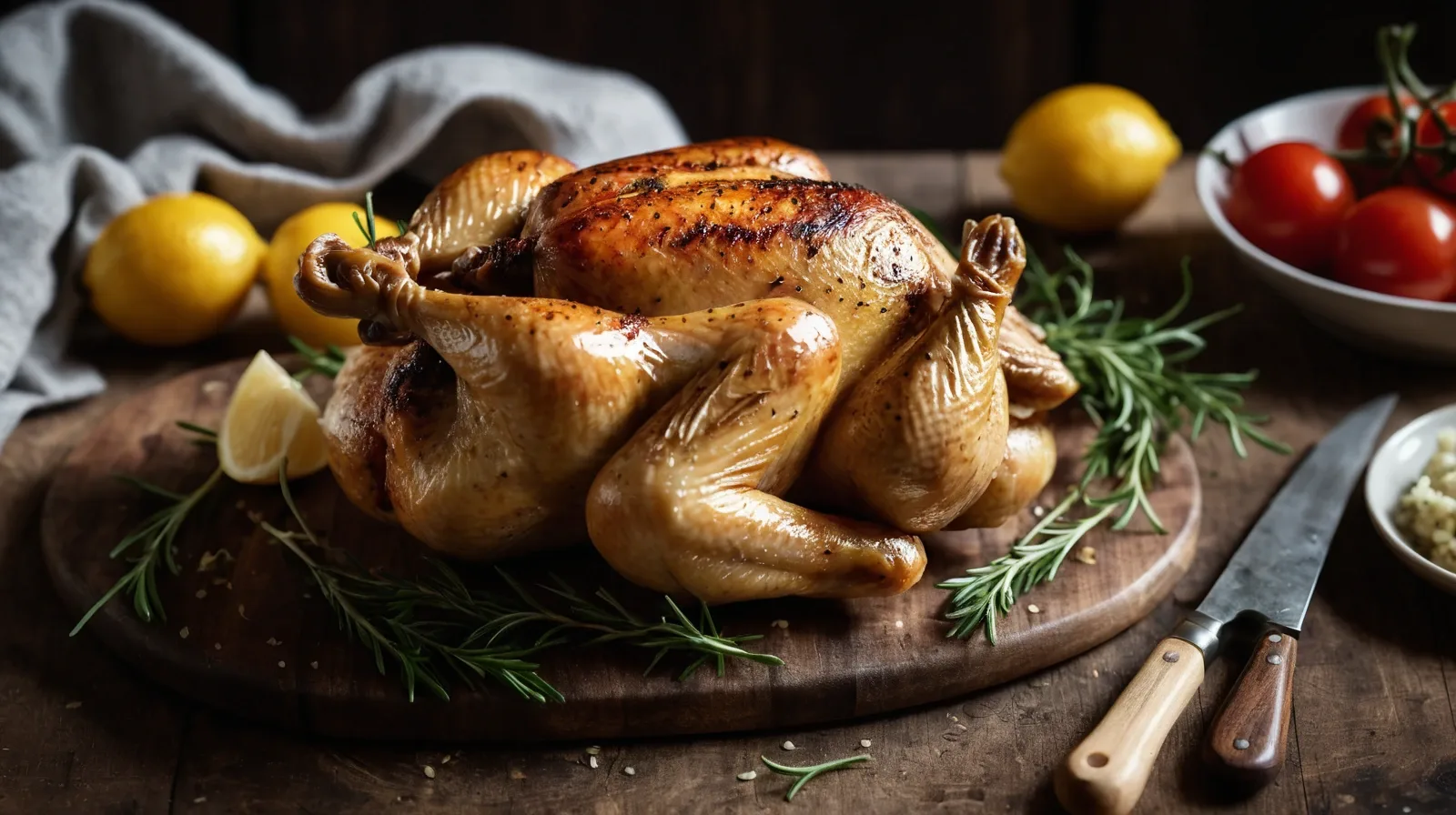
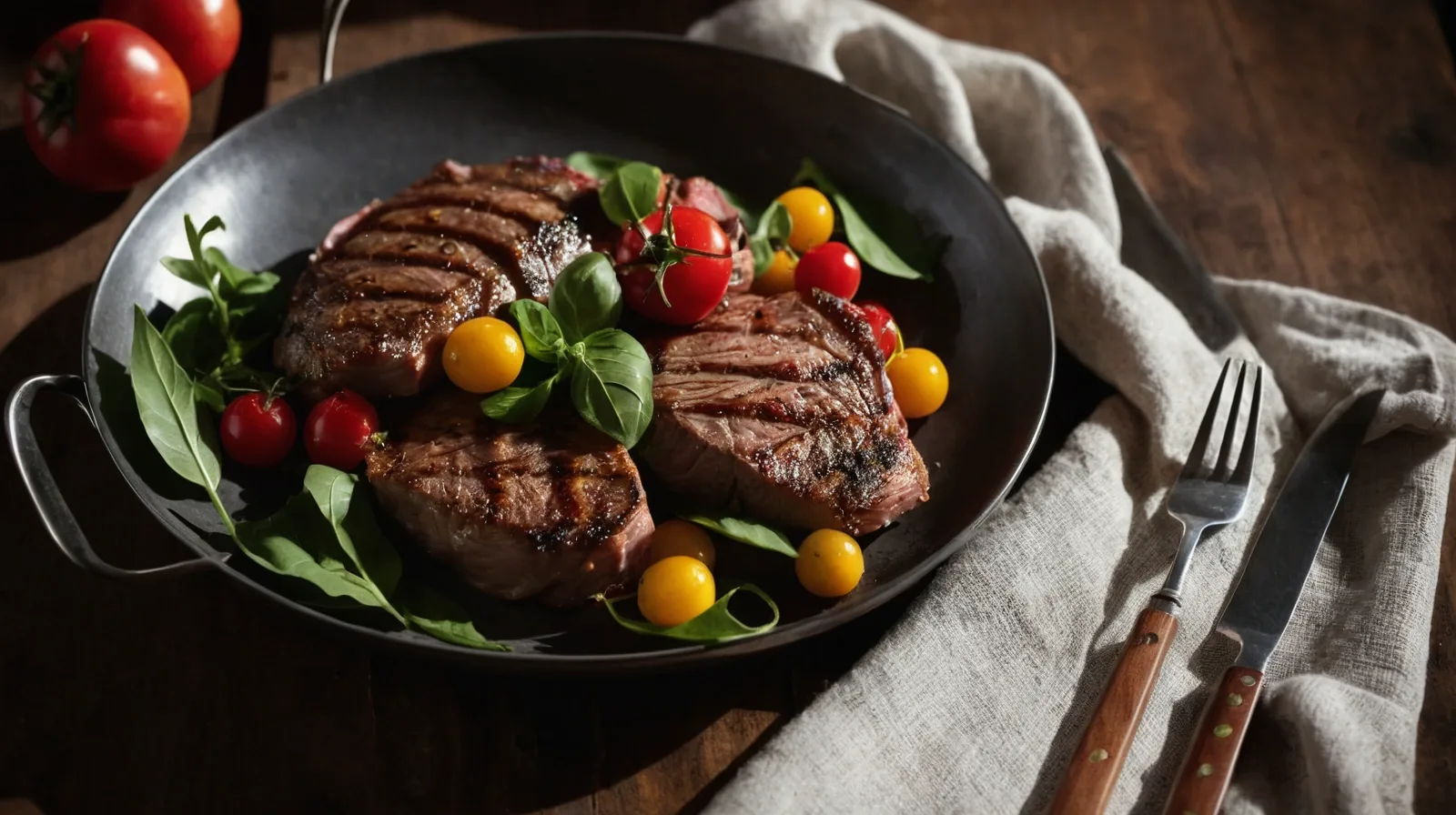
High-heat cooking is your go-to for when you want to sear, grill, or fry. It's all about that quick, intense burst of heat that caramelizes sugars, browns proteins, and creates those mouthwatering Maillard reactions. Think of a perfectly charred steak, a crispy-skinned salmon, or golden, air-fried chicken wings.
Tips for High-Heat Success
- Preheat your pan or grill until it's screaming hot – around 450°F to 500°F is ideal for searing.
- Pat your meat dry before hitting it with the heat to ensure a good sear.
- Don't crowd the pan; give each piece of food its own space to develop that beautiful crust.
The Low-and-Slow Saviors
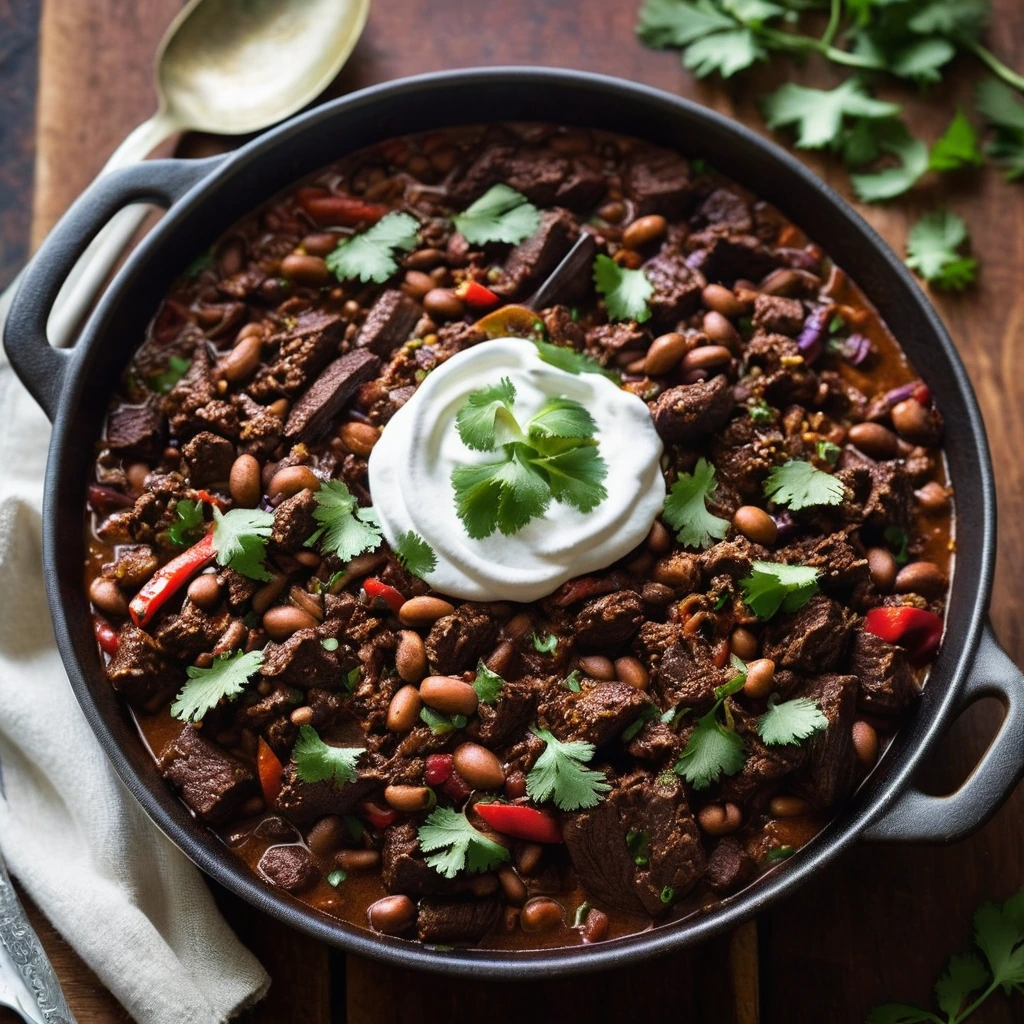
Low-and-slow cooking is where patience pays off. It's perfect for tougher cuts of meat that benefit from long, gentle cooking times to break down collagen and turn into fork-tender morsels. Think pulled pork, brisket, or a hearty stew.
Tips for Low-and-Slow Brilliance
- Start with a flavorful base – aromatics, spices, and liquids are your best friends.
- Keep the temperature consistent, ideally between 200°F and 300°F, for those long cooking hours.
- Resist the urge to peek! Frequent lid-lifting can drop your oven or grill's temperature and extend cook time.
Matching Heat to Technique
Choosing the right method depends on what you're cooking and the texture you're aiming for. High heat is perfect for quick-cooking items and when you want a crispy exterior. Low-and-slow is your move for dishes that need time to develop deep flavors and tenderize.
Remember, the technique you choose isn't just about time and temperature—it's about creating the perfect balance of texture and taste in every bite.
Mini-FAQ
Can I use both methods for the same dish?
Absolutely! Many dishes benefit from a combination of techniques. Searing a steak at high heat before finishing it low-and-slow in the oven is a classic example.
What if I don’t have a thermometer?
While a thermometer is invaluable, you can gauge doneness by touch and experience. However, investing in a good thermometer is a game-changer for precision.
Closing
Whether you're a fan of high-heat heroics or low-and-slow saviors, understanding the science behind each method will make you a more versatile cook. Experiment, trust your instincts, and most importantly, enjoy the journey from raw ingredients to delectable dishes. And remember, your kitchen is your stage—put on a show!