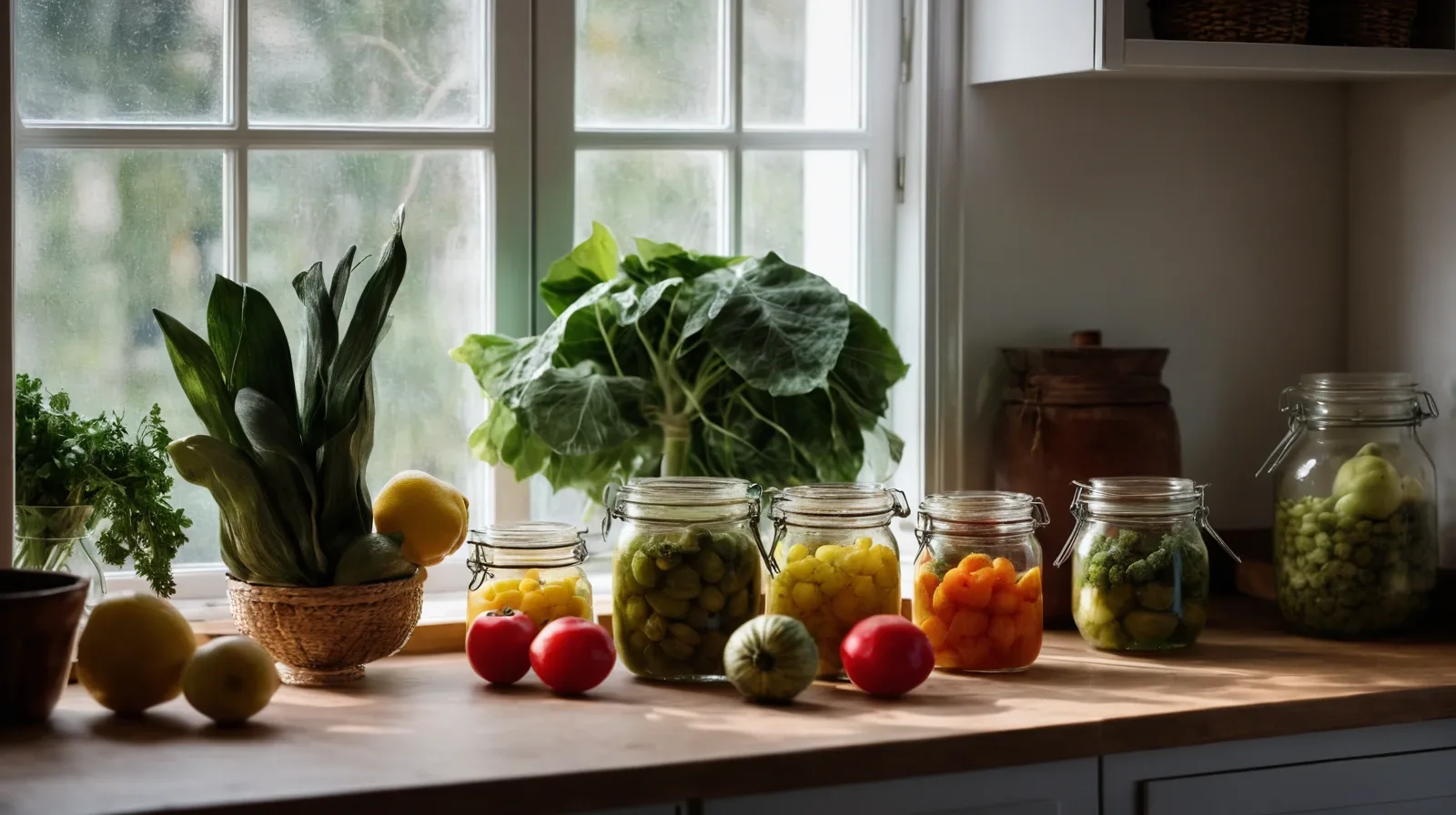
Fermentation 101: From Sauerkraut to Kimchi at Home
Discover the tangy world of fermentation with easy-to-follow steps for making sauerkraut and kimchi at home.
Welcome to the World of Fermentation
Ah, fermentation—the unsung hero of your pantry! It’s the age-old method that transforms humble veggies into tangy, probiotic-rich treats. Whether you’re craving the pucker-worthy zing of sauerkraut or the spicy kick of kimchi, this guide is your ticket to DIY fermentation glory.
Why Ferment?
Besides being an ancient preservation technique, fermentation boosts flavor and nutrition. It's like giving your vegetables a flavor spa day while enhancing their digestibility. Plus, homemade ferments are free from dubious additives that lurk in store-bought jars.
Getting Started: Tools and Ingredients
- A Clean Glass Jar: Wide-mouth jars are ideal for packing veggies.
- Vegetables: Go for firm cabbage for sauerkraut or napa cabbage for kimchi.
- Salt: Non-iodized salt like kosher or sea salt is key—iodized salt can inhibit fermentation.
- Optional: Caraway seeds for sauerkraut or Korean chili flakes for kimchi.
Your setup doesn’t need to be fancy. A jar, some salt, and your chosen veg are all you need to start your fermentation journey.
Sauerkraut Simplified
Sauerkraut is the gateway ferment. Here’s how to get started:
- Slice: Thinly slice about 2 pounds of cabbage.
- Salt: Toss with 1 ½ tablespoons of salt.
- Massage: Knead the cabbage for about 10 minutes until it wilts and releases juice.
- Pack: Press firmly into your jar, submerging under its own brine.
- Wait: Cover loosely and let sit at room temp for 1-4 weeks.
Kimchi: The Spicy Star
Kimchi is like sauerkraut’s zesty cousin. Follow these steps for a classic version:
- Prepare: Slice 2 pounds of napa cabbage and sprinkle with 1 tablespoon of salt. Let sit for 1-2 hours.
- Rinse: Rinse off excess salt and squeeze dry.
- Flavor Mix: Combine 2 tablespoons of fish sauce, 1 tablespoon of sugar, 4 cloves of minced garlic, 1 tablespoon of grated ginger, and 1-2 teaspoons of Korean chili flakes.
- Mix: Toss the cabbage with the flavor mix and any additional veggies you like.
- Pack: Press into a jar and let ferment at room temperature for a few days before refrigerating.
Pro Tips for Perfect Ferments
- Keep It Submerged: Veggies need to stay under the brine to avoid mold.
- Patience is Key: Fermentation is a slow dance. Give it time.
- Burp Your Jar: Release built-up gases daily to prevent explosions.
Mini FAQ
What if my ferment gets moldy?
Scoop off the mold and any affected veggies, but if it's pervasive, it's time to start over.
Can I use a plastic container?
Glass is preferred to avoid potential chemical leaching, but food-safe plastic works in a pinch.
How long does fermented food last?
Properly fermented and stored veggies can last several months in the fridge.
Closing Thoughts
Congratulations, you’re now a fermenter! With these basics, you can confidently explore the world of fermentation, creating delicious, healthful foods right in your own kitchen. Remember, each batch is an experiment—have fun with it and enjoy the tasty rewards!