Cooking with Alcohol: What Really Cooks Off (and What Doesn’t)
Ever wonder if alcohol really cooks off when you cook? Dive into the science behind it and learn how much actually evaporates.
The Boozy Beginnings
Let’s face it: cooking with alcohol can add a layer of complexity and richness to your dishes that water just can't match. But the age-old question remains: does it really cook off? Spoiler alert: it depends.
The Science of Evaporation
When you pour booze into a pan, you're essentially starting a science experiment. Alcohol has a lower boiling point than water (173°F vs. 212°F), so it starts to evaporate first. Here's the catch: how much evaporates depends on the cooking method and time.
How Much Alcohol Actually Evaporates?
- Flambé: Ignite that booze and about 75% cooks off in mere seconds. Cue the oohs and aahs!
- One hour simmer: After an hour of simmering, roughly 25% of the alcohol remains in your sauce.
- Two and a half hours: Extend that simmer, and you’ll drop that residual alcohol content down to about 5%.
Why It Matters
For most home cooks, a little residual alcohol isn’t a big deal. But for those cooking for recovering alcoholics, pregnant women, or kids, it’s worth noting. And let’s not kid ourselves; sometimes you want that boozy kick to linger.
Cooking Techniques and Alcohol
Baking
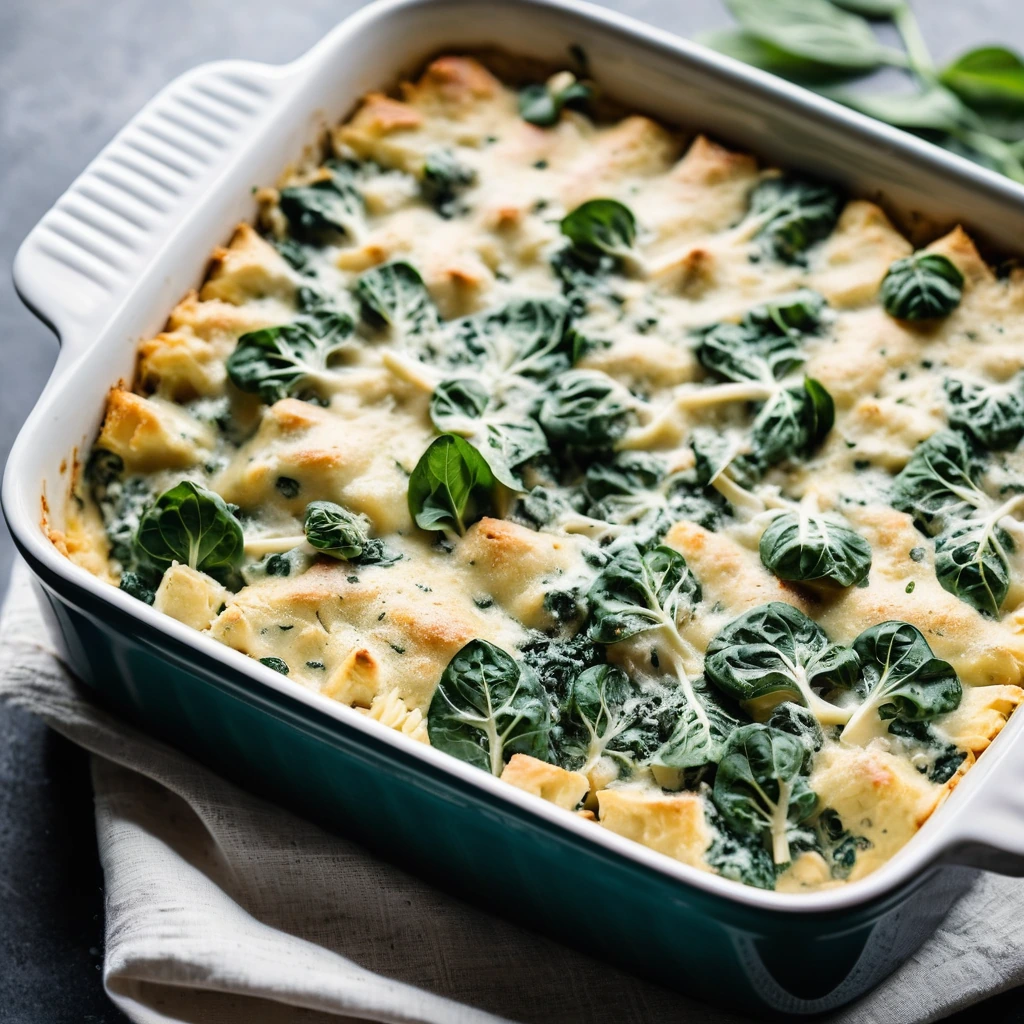
When baking with alcohol, expect about 25% to remain after 25 minutes in the oven. This is why your rum cake still packs a subtle wallop.
Braising and Stewing
Those long, slow cooking methods can reduce alcohol content by up to 60% after an hour and a half. But remember, patience is key.
Practical Tips for Cooking with Alcohol
- If you’re worried about residual alcohol, cook your sauce separately for longer.
- Consider flambéing for a dramatic reduction in booze content.
- Taste as you go. Adjust seasoning and booze levels to your liking.
Mini FAQ
Does all alcohol cook off the same way?
No, the cooking method and time determine how much alcohol remains, regardless of the type of alcohol used.
Can I substitute non-alcoholic beer or wine?
Absolutely! Just know you might miss out on some complexity in flavor.
Closing Thoughts
Cooking with alcohol isn’t just about adding flavor; it’s also about understanding the chemistry at play. While some booze always lingers, knowing how much can help you tailor your cooking to your audience’s needs. So, go ahead, uncork that bottle and get cooking—just remember, not all the booze is going to vanish into thin air.