The Difference Between Farm Fresh and Store-Bought Eggs
Ever wonder what really sets farm fresh eggs apart from store-bought? Here's the scoop on taste, nutrition, and how to tell the difference.
Introduction: Crack Open the Truth
Ah, eggs. The unsung heroes of the kitchen. You know, the ones that somehow manage to star in everything from fluffy omelets to decadent cakes. But not all eggs are created equal, and if you've ever stood in the grocery store aisle pondering whether to grab the standard carton or spring for the farm fresh variety, you're not alone.
What Makes an Egg 'Farm Fresh'?
When we talk about farm fresh eggs, we're usually referring to eggs laid by hens that have had a bit more of the good life—roaming around outdoors, scratching at the earth, doing their chicken thing.
The Lay of the Land
These hens often have access to a more diverse diet than their supermarket counterparts, which can include bugs, grass, and seeds. This freedom translates into eggs with richer yolks and a distinct, robust flavor that's music to a home cook's ears.
Store-Bought Eggs: The Grocery Aisle Staple
Store-bought eggs come from hens raised in controlled environments, which are designed to maximize egg production and minimize costs. This typically means a more limited diet and less space to roam, resulting in eggs that are consistent in size and color but may lack the depth of flavor found in farm fresh eggs.
The Label Lingo
Navigating egg carton labels can feel like deciphering a secret code. Terms like 'cage-free,' 'free-range,' and 'organic' each have specific meanings, but they don't always guarantee a superior product in terms of taste or nutrition.
Taste Test: Can You Tell the Difference?
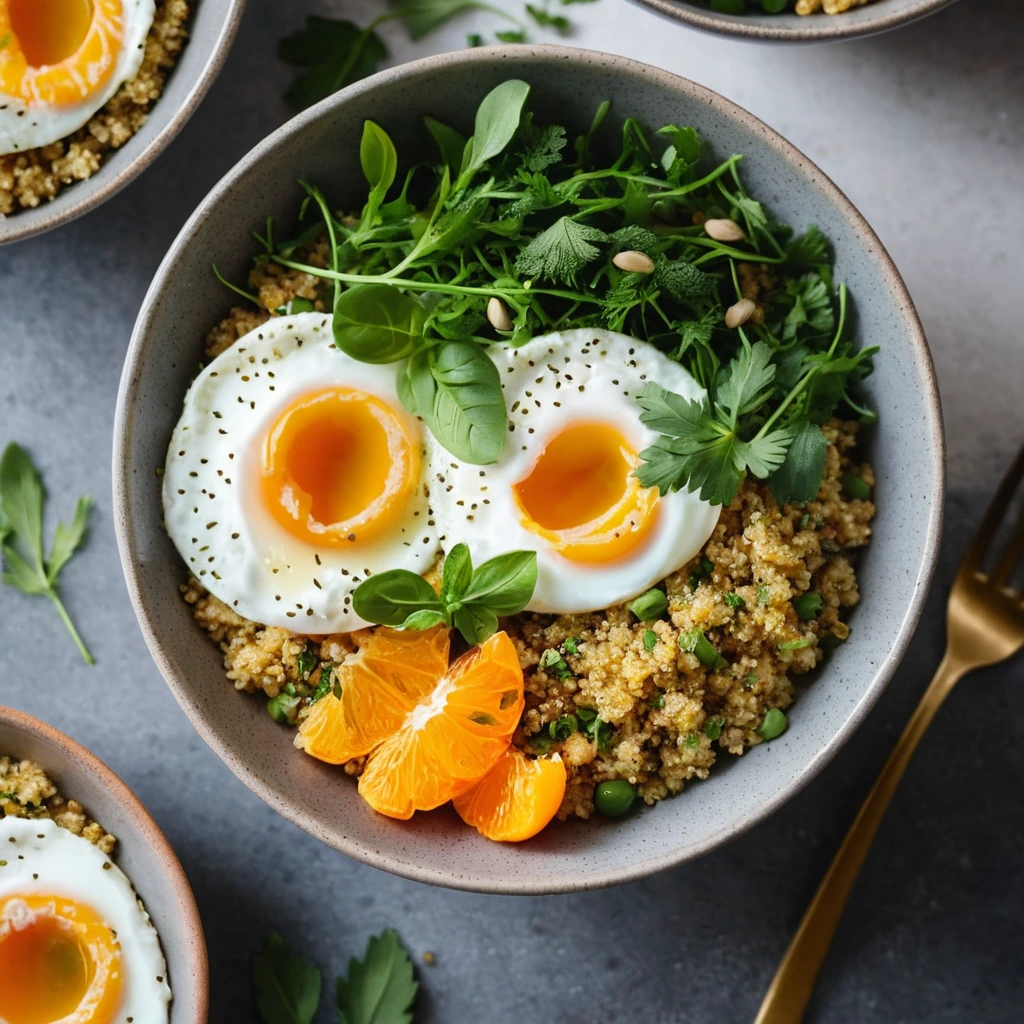
The million-dollar question: Can you really taste the difference? In a blind taste test, many home cooks report that farm fresh eggs have a richer, creamier taste, with yolks that hold their shape beautifully in an omelet or sunny-side up preparation.
Cooking Tips
- For the best results with either type of egg, always cook over medium heat to avoid rubbery textures.
- Whisk eggs gently to incorporate air for fluffier results.
Nutritional Nuances
While both types of eggs are packed with protein and essential nutrients, some studies suggest that eggs from hens raised on pasture may have higher levels of omega-3 fatty acids and vitamins like A and E.
What's in an Eggshell?
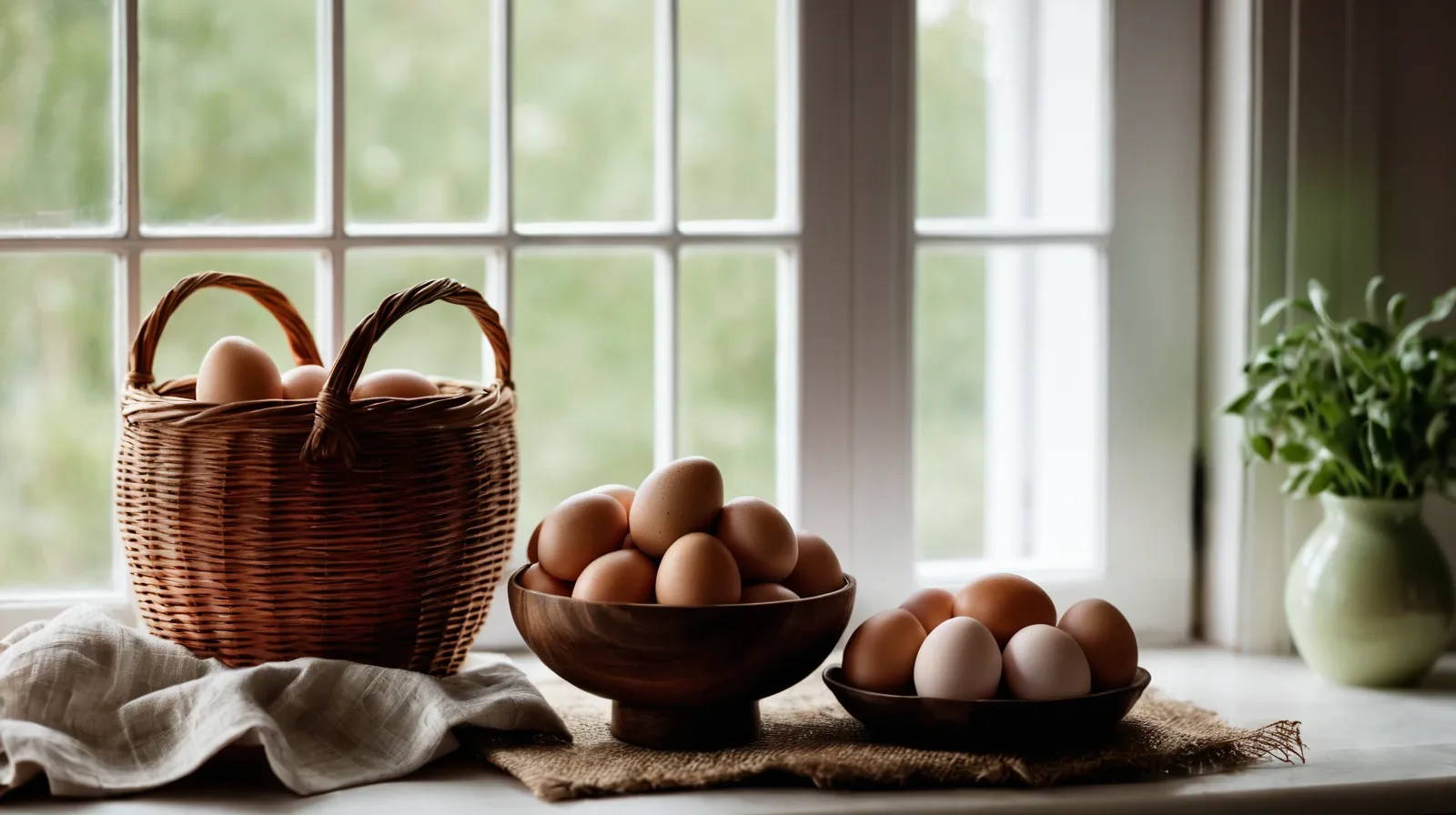
Shell color, by the way, is determined by the breed of the hen and doesn't impact nutrition or taste. So whether your egg is white or brown, it's what's inside that counts.
How to Tell Your Eggs Apart
Got a carton of mystery eggs? Here are some tips to tell if they're likely store-bought or farm fresh:
- Look at the yolk: Farm fresh yolks tend to be more orange due to the hens' varied diet.
- Check the expiration date: Farm fresh eggs often come with a Julian date stamped on the carton, indicating the day of the year they were packed.
Mini-FAQ
Do farm fresh eggs need to be refrigerated?
Absolutely! Once eggs are washed (which is standard for store-bought eggs in the U.S.), they need refrigeration to stay fresh.
How long do eggs last?
Store-bought eggs can last 3-5 weeks in the fridge when properly stored. Farm fresh eggs might last a bit longer thanks to their intact cuticle, but refrigeration is still key.
Closing Thoughts: Which Egg Wins?
At the end of the day, both farm fresh and store-bought eggs have their place in the kitchen. If you're lucky enough to have access to farm fresh eggs, enjoy their unique flavor and potential nutritional benefits. But don't fret if you rely on store-bought; they're still a fantastic, versatile ingredient that'll get you through breakfast, lunch, and dinner with flying colors. Crack on, home cooks!