How to Simmer, Reduce, and Glaze Sauces Properly
Master the art of creating perfect sauces with our guide to simmering, reducing, and glazing. Elevate your cooking game with expert techniques.
The Art of Sauce Making
Ah, sauce making—the unsung hero of many a delicious meal. It's where culinary alchemy happens, transforming simple ingredients into something extraordinary. But let's be honest, creating the perfect sauce can feel like trying to balance on a tightrope blindfolded. Fear not! This guide will walk you through simmering, reducing, and glazing like a pro.
Simmering: The Gentle Dance
Simmering is the backbone of sauce making. It's a gentle, controlled heat that keeps your sauce just below boiling point, typically around 185°F to 205°F. Think of it as a slow dance—steady and smooth.
- Use a medium-sized saucepan to allow even heat distribution.
- Keep an eye out for those tiny bubbles gently breaking the surface—that's your sauce simmering.
- Stir occasionally to prevent sticking and ensure even cooking.
Reducing: The Flavor Concentrator
Once your sauce is simmering, reduction is your next step. This is where magic happens—flavors intensify as water evaporates, leaving behind a richer, more robust sauce.
- Let it bubble away patiently. The longer you reduce, the thicker and more potent your sauce becomes.
- Keep an eye on the volume. You're aiming for about a third to a half of the original amount, depending on your recipe.
- Taste as you go. Adjust seasonings after reduction, as flavors will have intensified.
Glazing: The Shiny Finish
Glazing is all about that glossy, mouthwatering finish. It's like giving your sauce a shiny veneer of perfection.
- Crank up the heat to high and reduce your sauce until it coats the back of a spoon.
- For meat dishes, brush the glaze on during the final minutes of cooking for a caramelized crust.
- Remember, less is more. A little glaze goes a long way.
Pro Tips for Sauce Success
Temperature Control
Maintaining the correct temperature is crucial. Too hot, and you risk scorching; too cool, and your sauce won't reduce properly. Invest in a good thermometer if you're serious about your sauces.
Skim, Skim, Skim
As your sauce simmers, impurities may rise to the surface. Skim these off with a ladle or spoon to ensure a clear, clean sauce.
The Right Tools
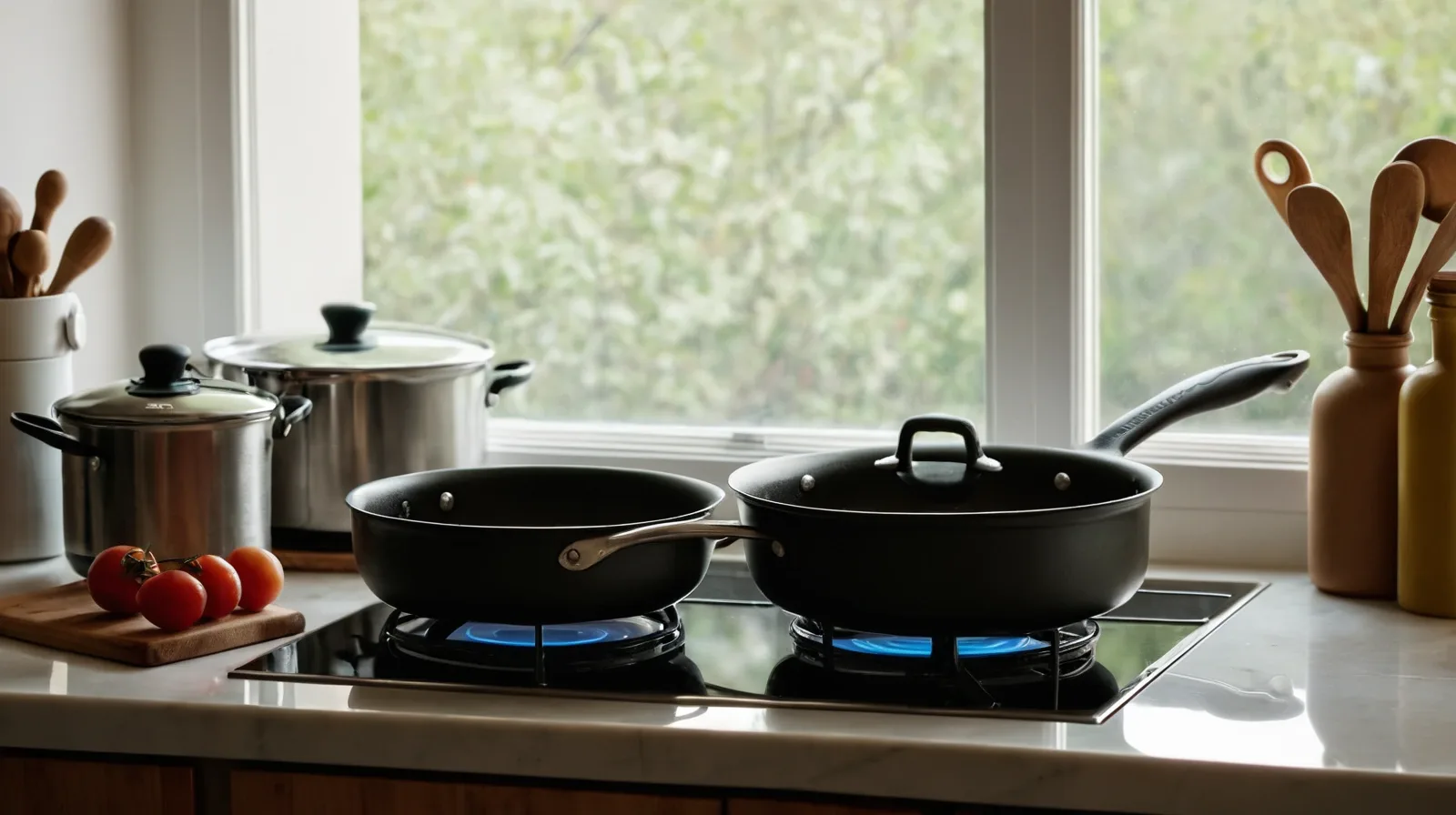
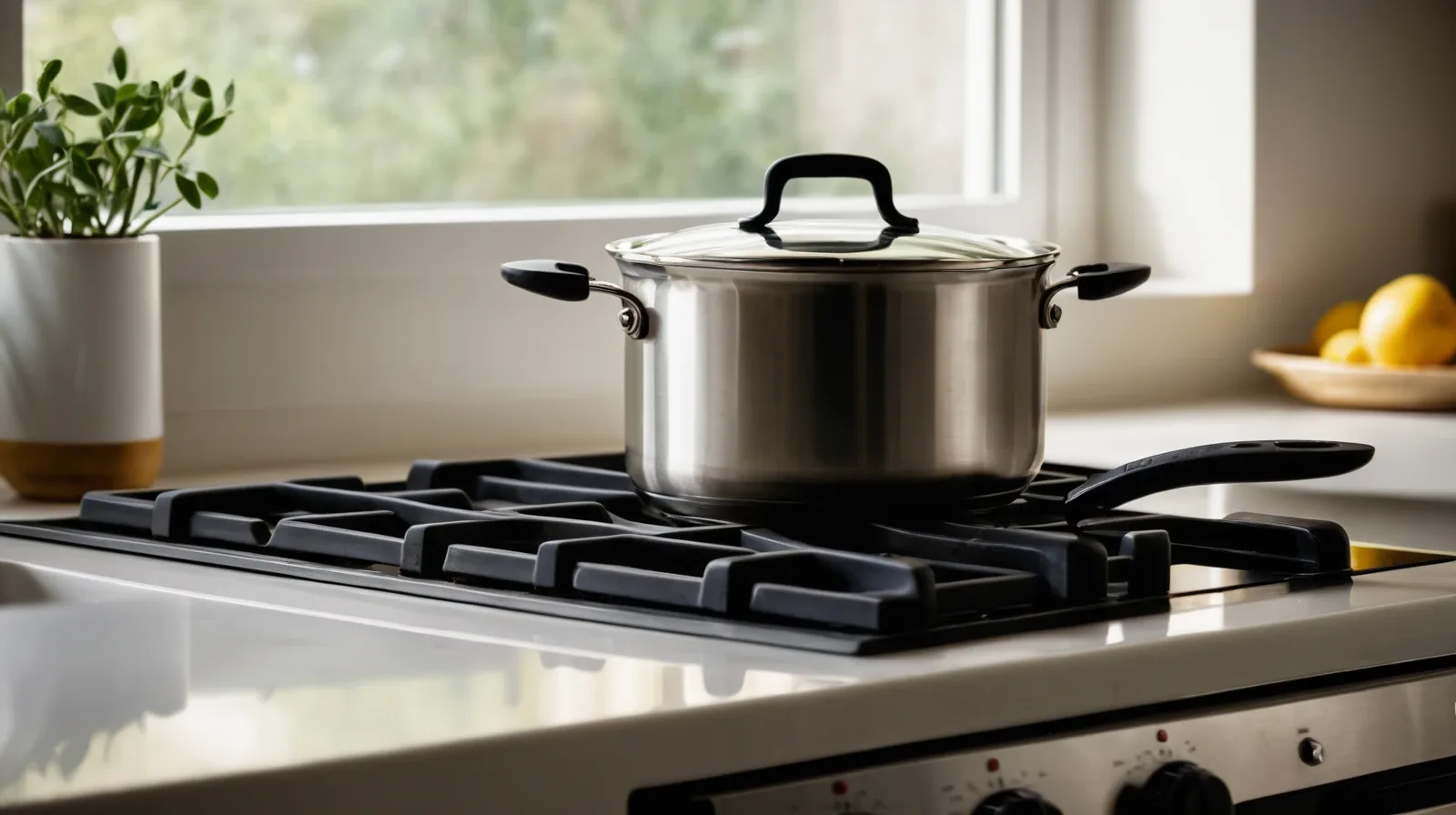
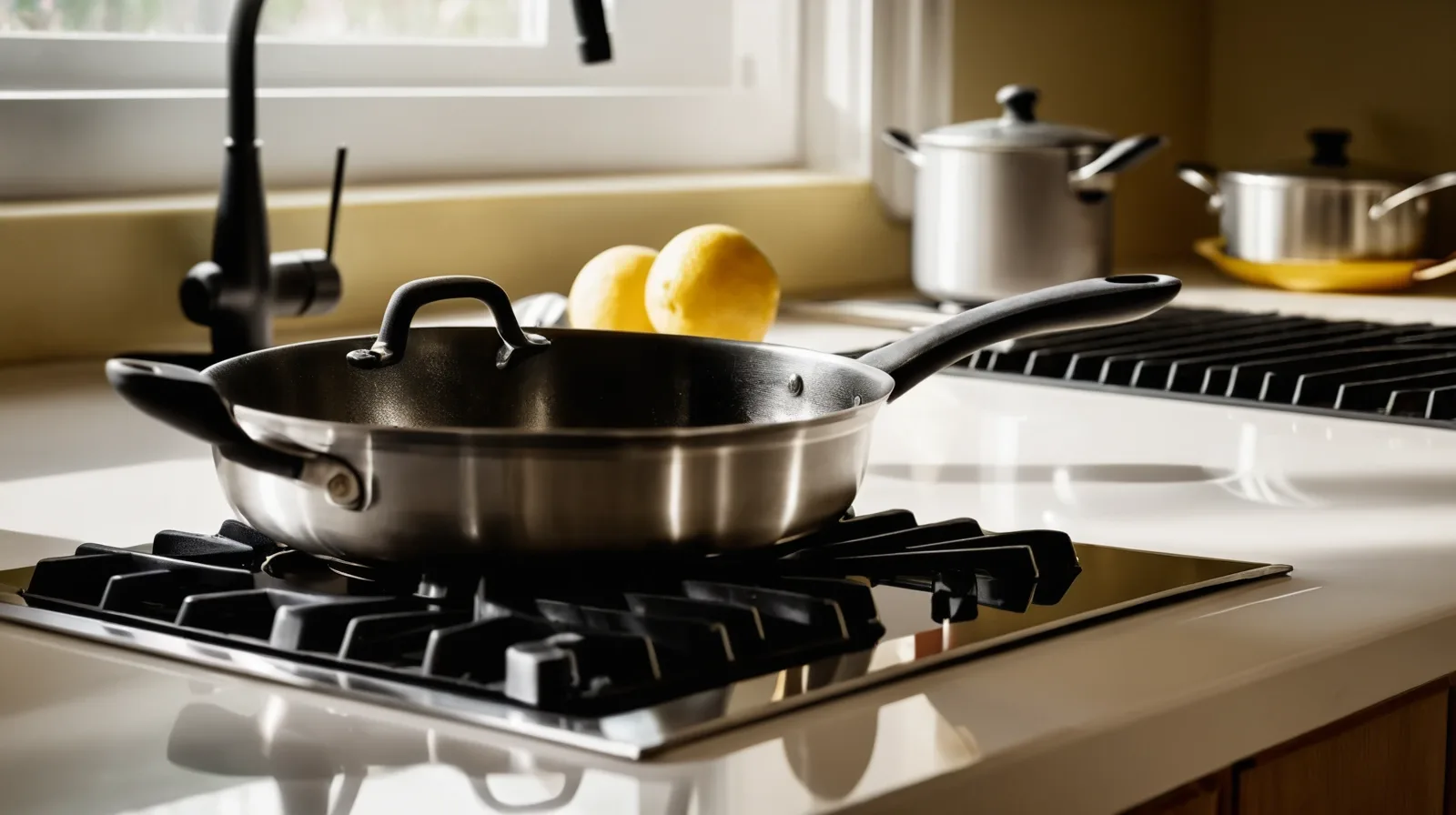
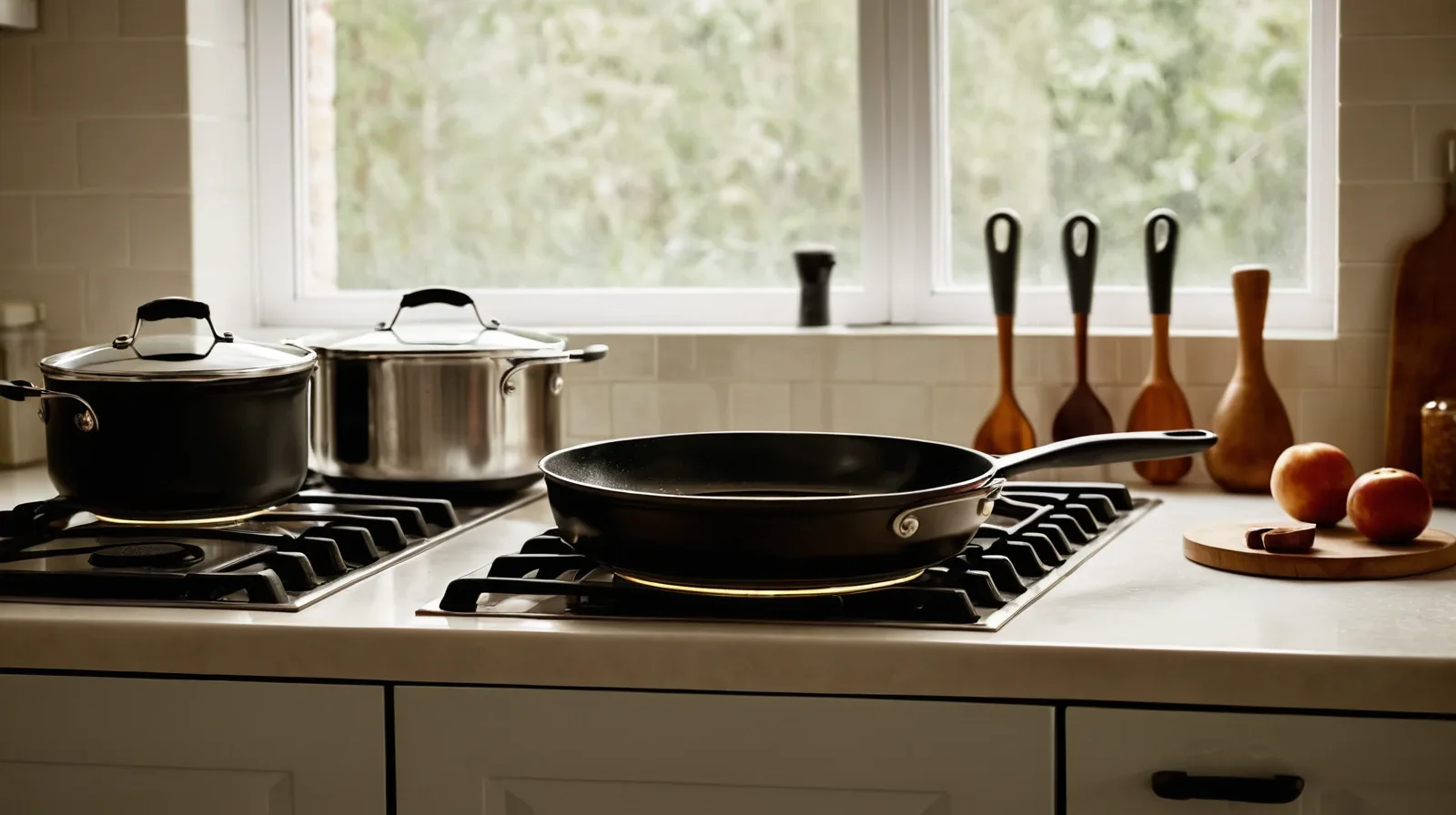
A sturdy saucepan with a thick base ensures even heating. And don't underestimate the power of a good wooden spoon—it's your best friend when stirring.
Mini-FAQ
Can I use any type of pan for reducing sauce?
Ideally, use a saucepan with a thick base to prevent hot spots and ensure even reduction.
How do I know when my sauce is reduced enough?
The sauce should coat the back of a spoon and leave a clear path when you drag your finger through it. It’ll also be noticeably thicker than when you started.
What if my sauce breaks?
If your sauce curdles or separates, try whisking in a bit of water or butter to bring it back together. Sometimes, removing it from direct heat can also help.
Closing Thoughts
There you have it—a foolproof guide to mastering simmering, reducing, and glazing. With these techniques under your belt, you’re ready to elevate any dish with a sauce that sings. Remember, cooking is an adventure, and every sauce you make is a step towards becoming the kitchen wizard you were always meant to be. So grab your apron and let’s get saucy!