Why Resting Meat Makes It Better
Ever wondered why chefs insist on resting meat before carving? It's not just fancy kitchen theater—it's science! Resting meat transforms it from good to glorious.
The Resting Myth Busted
Let's debunk the myth that resting meat is just a fussy step for perfectionist chefs. Resting meat is like a timeout in basketball—it's essential for sealing the deal. Here’s why:
The Science of Resting Meat
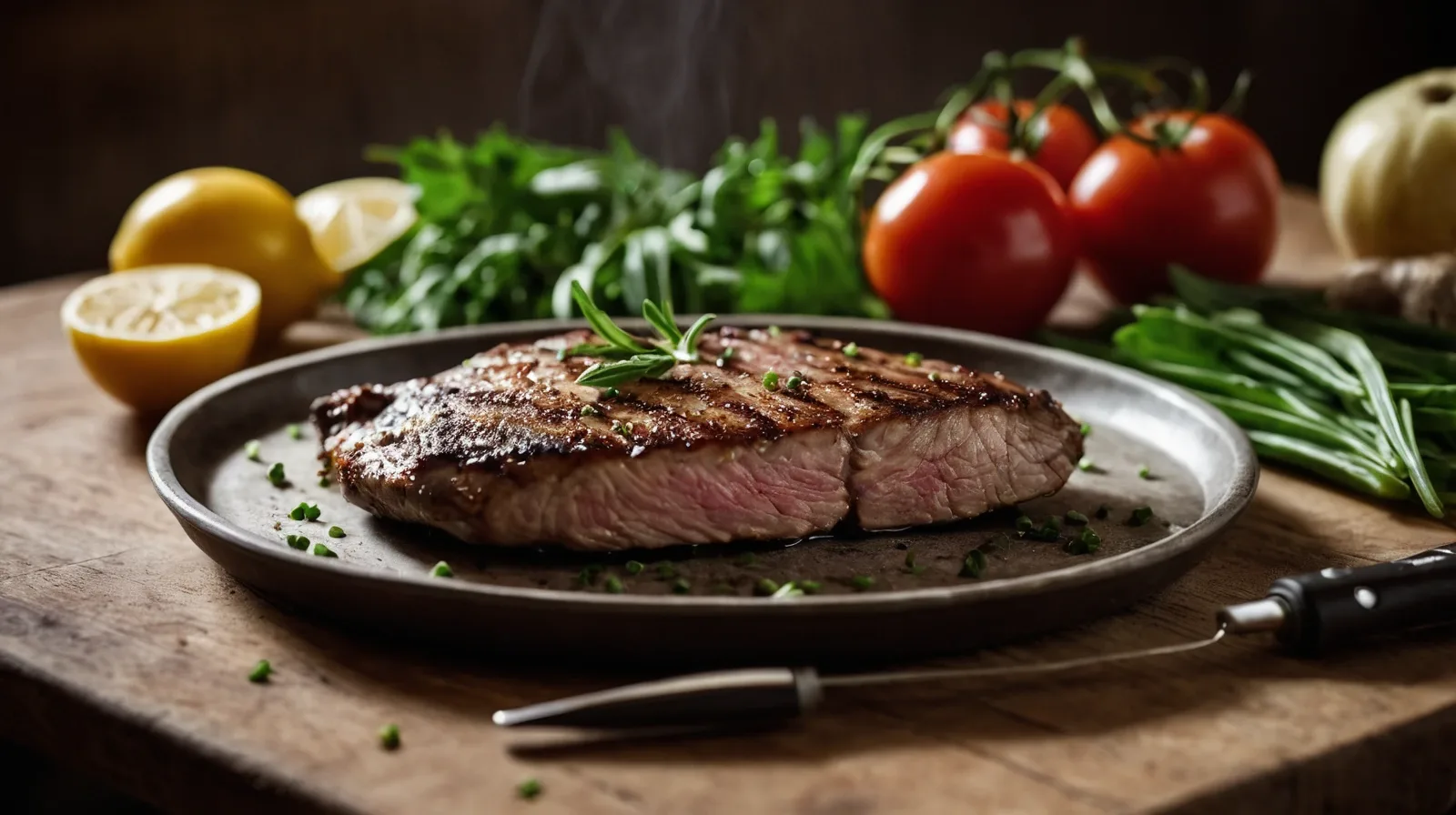
When you cook meat, its muscle fibers contract, squeezing out juices. Resting allows these fibers to relax and reabsorb some of those tasty juices, ensuring each bite is succulent rather than dry and stringy. Think of it as giving your meat a spa day.
How to Rest Meat Like a Pro
Resting isn’t just tossing your steak on a plate and calling it a day. Here’s how you do it right:
- Transfer Wisely: Move your cooked meat to a clean cutting board or platter. Loosely tent it with foil to keep it warm without sweating.
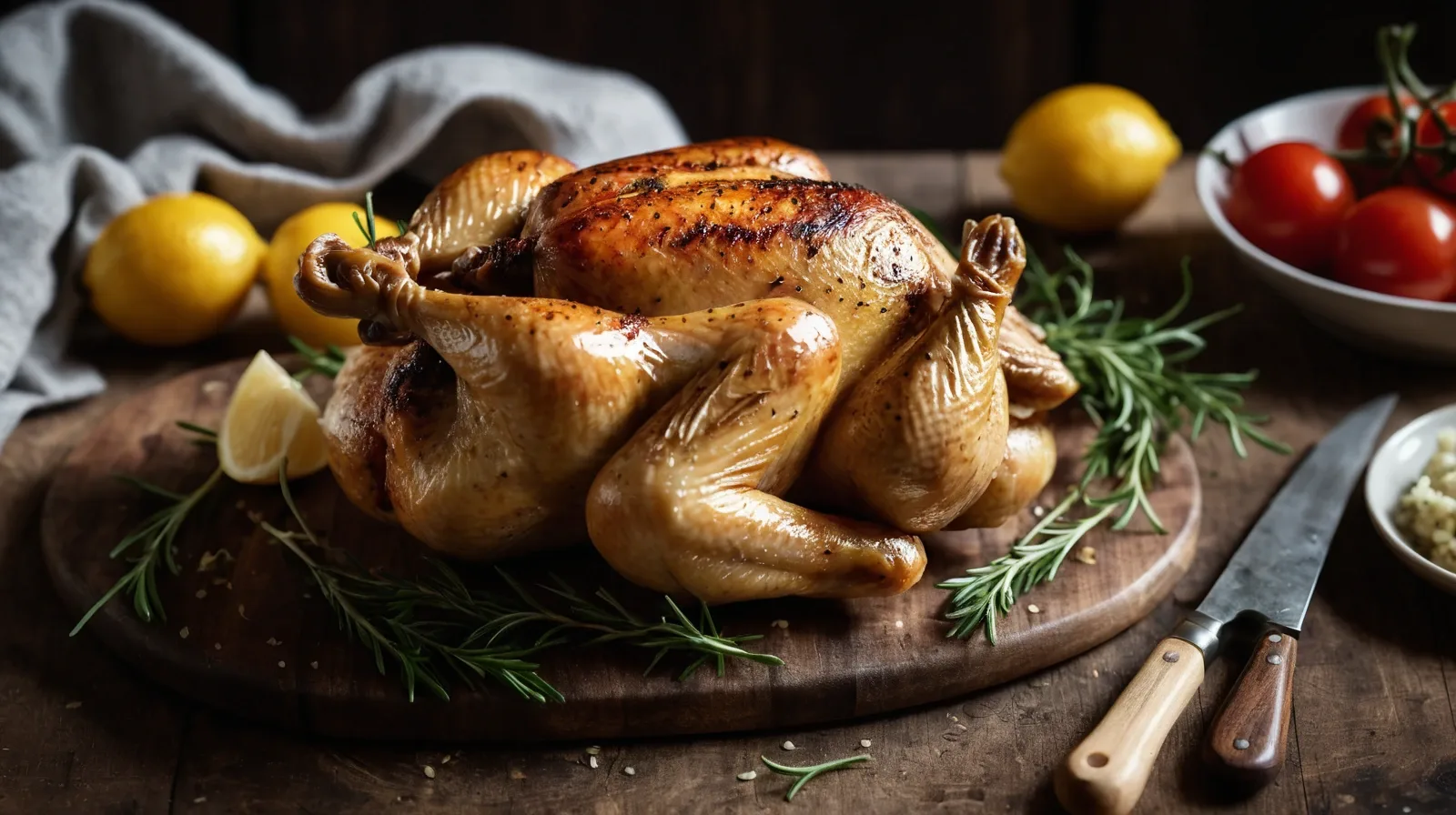
- Time It Right: As a rule of thumb, rest your meat for about 5 minutes per pound. Smaller cuts like steaks might need just 5 minutes, while a 12-pound turkey could need 45 minutes.
- Keep It Warm: Ambient temperature is key. Avoid direct heat or cold drafts that can mess with your resting process.
The Magic Happens Here
During the rest, something incredible happens. The residual heat continues to cook the meat gently, a phenomenon called carryover cooking. This ensures an even cook throughout, eliminating the dreaded overcooked exterior and undercooked middle.
The Temperature Trick
You might notice the internal temperature rises a bit during resting—that’s normal! A steak pulled at 130°F for medium-rare might climb to 135°F. This is why you should aim for the lower end of your desired doneness when checking with a meat thermometer.
Actionable Tips for Perfect Meat Resting
- Rest your meat on a wire rack to allow air to circulate and avoid soggy bottoms.
- For large roasts, resist the urge to slice immediately. The wait is worth it.
- If carving immediately, at least let the meat rest for a few minutes to retain some of that hard-earned moisture.
Mini-FAQ: Resting Meat
Q: Can I rest meat uncovered?
A: Yes, but covering with foil helps maintain warmth without drying out the surface.
Q: What about thin cuts like chicken breasts?
A: Thin cuts need less time—just 5 minutes is usually enough for the juices to redistribute.
Q: Does resting apply to grilled meat too?
A: Absolutely! Whether grilled, roasted, or seared, resting is your secret weapon for juicy perfection.
Closing Thoughts
Resting meat isn’t just a step in the recipe; it’s a game-changer. It’s the unsung hero of every juicy steak, succulent roast, and tender piece of poultry. Next time you cook, give your meat the rest it deserves—it will thank you with each flavorful, juicy bite.