The Maillard Reaction: Browning for Better Flavor
Unlock the secrets of the Maillard reaction and discover how browning your food can lead to richer, more complex flavors in your cooking.
What is the Maillard Reaction?
Imagine biting into a perfectly seared steak, a crusty baguette, or a batch of just-out-of-the-oven chocolate chip cookies. That satisfying, complex flavor you're tasting is thanks to the Maillard reaction. Named after French chemist Louis-Camille Maillard, this chemical reaction between amino acids and reducing sugars gives browned food its distinctive taste. It's not just about looks—it's about flavor.
How Does It Work?
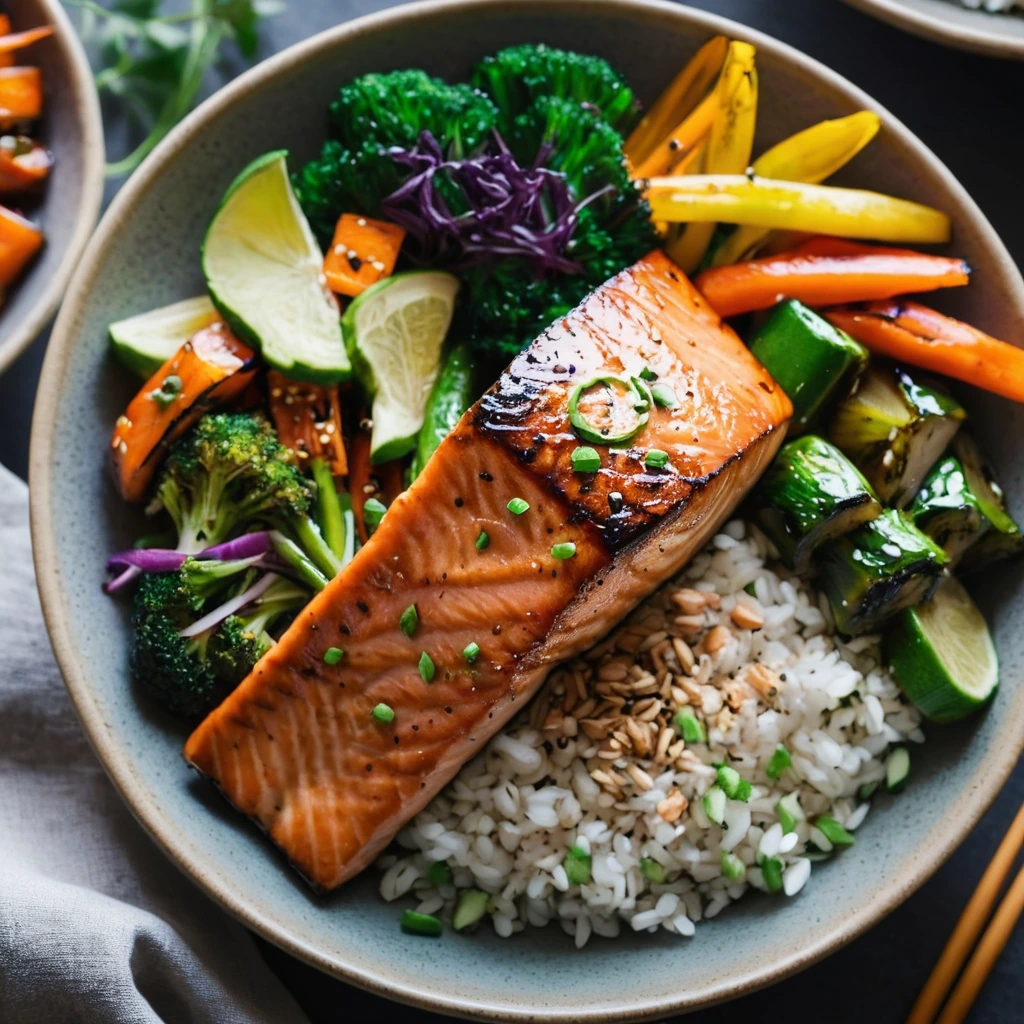
When heat is applied to food, amino acids and sugars react to create hundreds of new flavor compounds. This usually happens at temperatures above 280°F (138°C). It's why a simple piece of chicken becomes a juicy, golden roasted masterpiece when cooked correctly.
Why Should You Care?
Understanding the Maillard reaction means understanding how to maximize flavor in your dishes. It's the key to achieving that sought-after depth of taste in everything from bread to seared scallops.
Flavor Complexity
The Maillard reaction is responsible for the rich, savory notes in your favorite foods. It's what turns a bland piece of tofu into a crispy, flavorful delight. It's culinary alchemy, folks.
Tips for Perfect Browning
- Start with a Dry Surface: Moisture is the enemy of browning. Pat your proteins dry before cooking to ensure a good sear.
- Get Your Pan Hot: A hot pan is crucial. If you drop water in and it evaporates instantly, you're ready to cook.
- Don't Crowd the Pan: Give each piece of food enough space to develop its own crust. Overcrowding causes steam, not sear.
- Season Liberally: Salt helps draw out moisture initially, but once that evaporates, it aids in browning.
Common Mistakes to Avoid
- Adding oil too early—wait until the pan is hot.
- Flipping food too soon—give it time to form a crust.
- Using low heat—crank it up for that beautiful browning.
Mini FAQ
Can the Maillard reaction happen in liquids?
While it's primarily a dry heat reaction, some browning can occur in liquids at high enough temperatures, though the flavor development won't be as robust.
Does sugar content affect browning?
Absolutely! Foods higher in sugar will brown more quickly, so keep an eye on them to avoid burning.
Closing Thoughts
The Maillard reaction is your secret weapon in the kitchen. By understanding and harnessing its power, you can transform ordinary dishes into extraordinary culinary delights. So go ahead, crank up that heat and get browning. Your taste buds will thank you.