The Difference Between Light and Dark Brown Sugar
Ever wonder why your recipe calls for light or dark brown sugar? Discover the subtle differences that can impact your baking and cooking.
Sweetness with a Twist: Understanding Brown Sugar
Brown sugar is the unsung hero of many recipes, lending both sweetness and a distinctive flavor profile. But not all brown sugars are created equal. The two main types you'll encounter are light and dark brown sugar, and understanding their differences can elevate your cooking and baking game.
What Makes Brown Sugar Brown?
The color and flavor of brown sugar come from molasses, a byproduct of sugar refining. Light brown sugar contains less molasses (typically around 3.5%), giving it a milder flavor. Dark brown sugar, on the other hand, contains more molasses (around 6.5%), offering a deeper color and richer, more robust taste.
Taste and Texture: The Nuances
When it comes to taste, the extra molasses in dark brown sugar imparts a stronger, caramel-like flavor. This makes it ideal for recipes where you want that molasses note to shine, like gingerbread or barbecue sauce.
Texture-wise, both sugars are moist and clump together thanks to the molasses. However, dark brown sugar tends to be slightly stickier and moister due to the higher molasses content.
When to Use Which
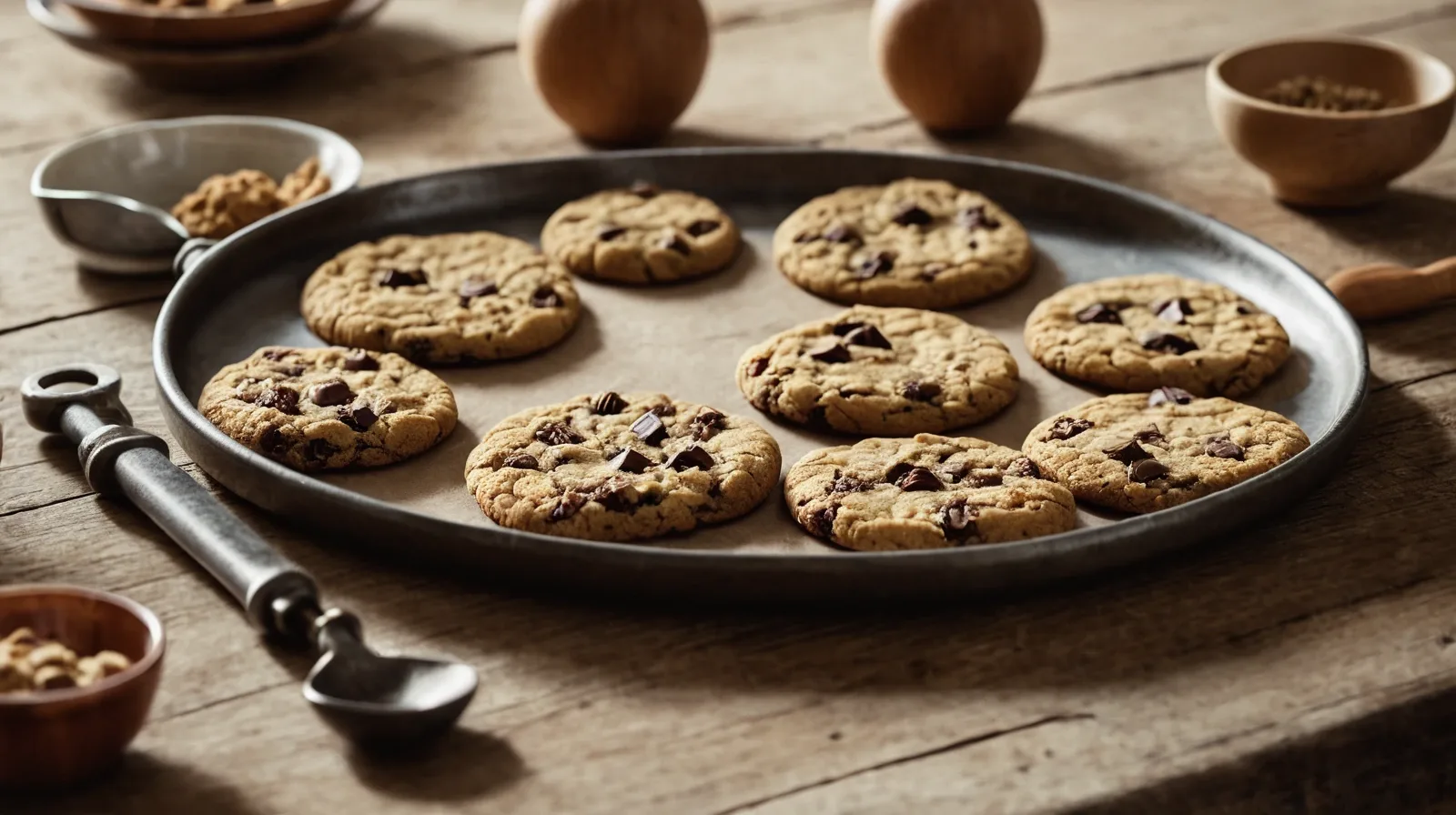
- Light Brown Sugar: Perfect for cookies, cakes, and frostings where you want sweetness with just a hint of molasses flavor. It's also great for dishes like sweet potatoes or baked beans, where you don't want the molasses to overpower.
- Dark Brown Sugar: Ideal for recipes calling for a deeper, richer flavor. Think gingerbread, spice cakes, or any dish where you want to highlight the molasses taste.
Substitution Station
Can you swap one for the other? Absolutely! But remember, substituting dark for light (or vice versa) will affect the flavor profile of your dish.
Pro Tip: If you run out of brown sugar, you can make your own! For light brown sugar, mix 1 cup white sugar with 1 tablespoon molasses. For dark, use 1 cup white sugar with 2 tablespoons molasses.
Mini-FAQ
Q: Does using dark brown sugar instead of light brown sugar affect the texture of my baked goods?
A: While it might not drastically change the texture, dark brown sugar's higher moisture content could lead to slightly softer results.
Q: Can I substitute brown sugar with white sugar in recipes?
A: You can, but remember that brown sugar contributes both moisture and flavor. Your dish might turn out drier and less complex in taste.
Closing Thoughts
Understanding the difference between light and dark brown sugar is like unlocking a secret ingredient in your kitchen. Whether you're aiming for subtle sweetness or robust flavor, choosing the right brown sugar can make all the difference in your culinary creations. So next time you reach for that bag of brown sugar, consider the magic that molasses can bring to your dish.