The Difference Between Braising and Stewing
Confused about braising vs. stewing? Let's break down these two cooking methods to help you decide which one to use for your next cozy meal.
Cooking Like a Pro: Braising vs. Stewing
Ah, the age-old kitchen conundrum: to braise or to stew? These two methods might sound like distant cousins, but understanding their differences can transform your home cooking from 'good enough' to 'gourmet-level good.'
Braising Breakdown
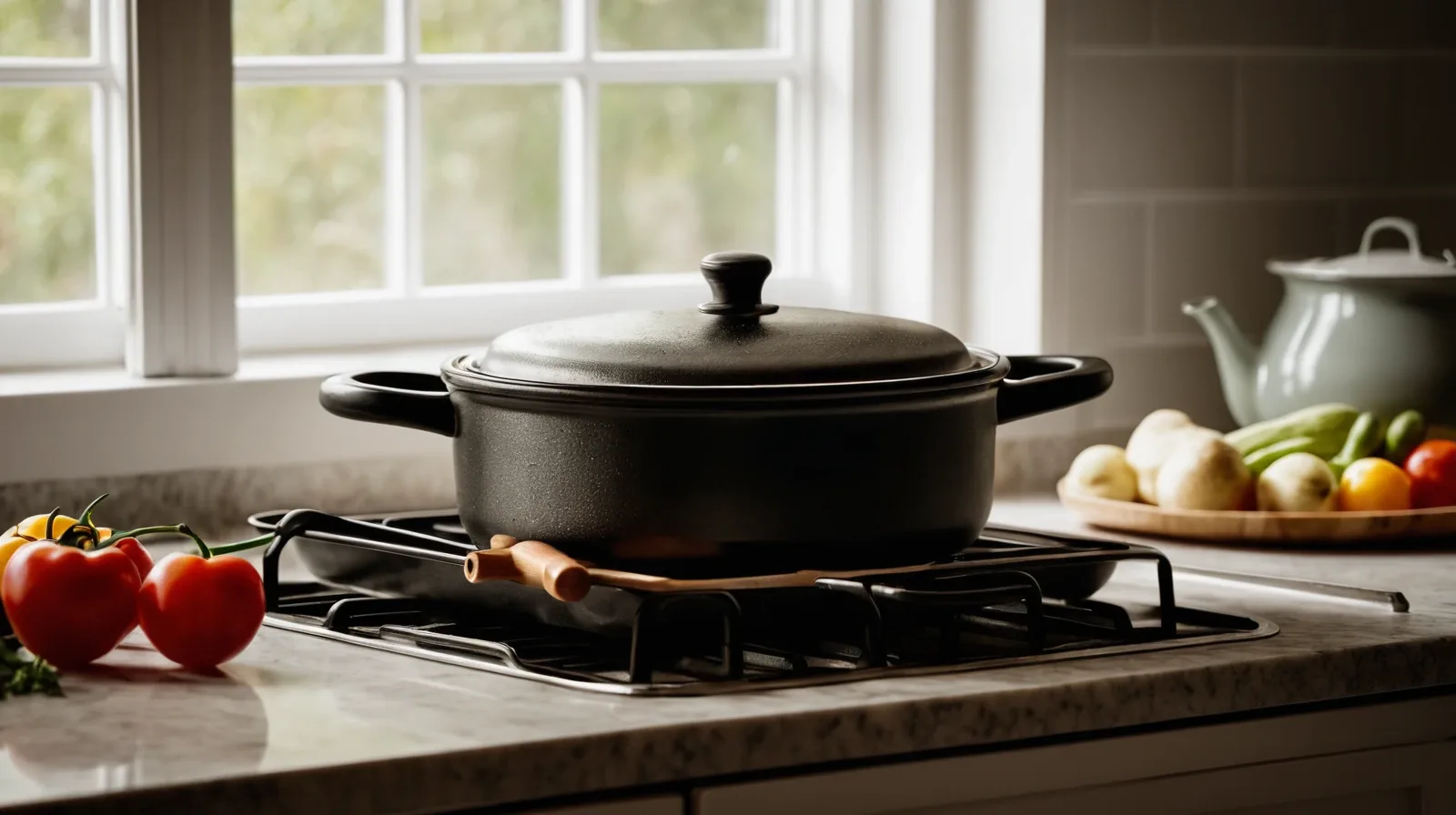
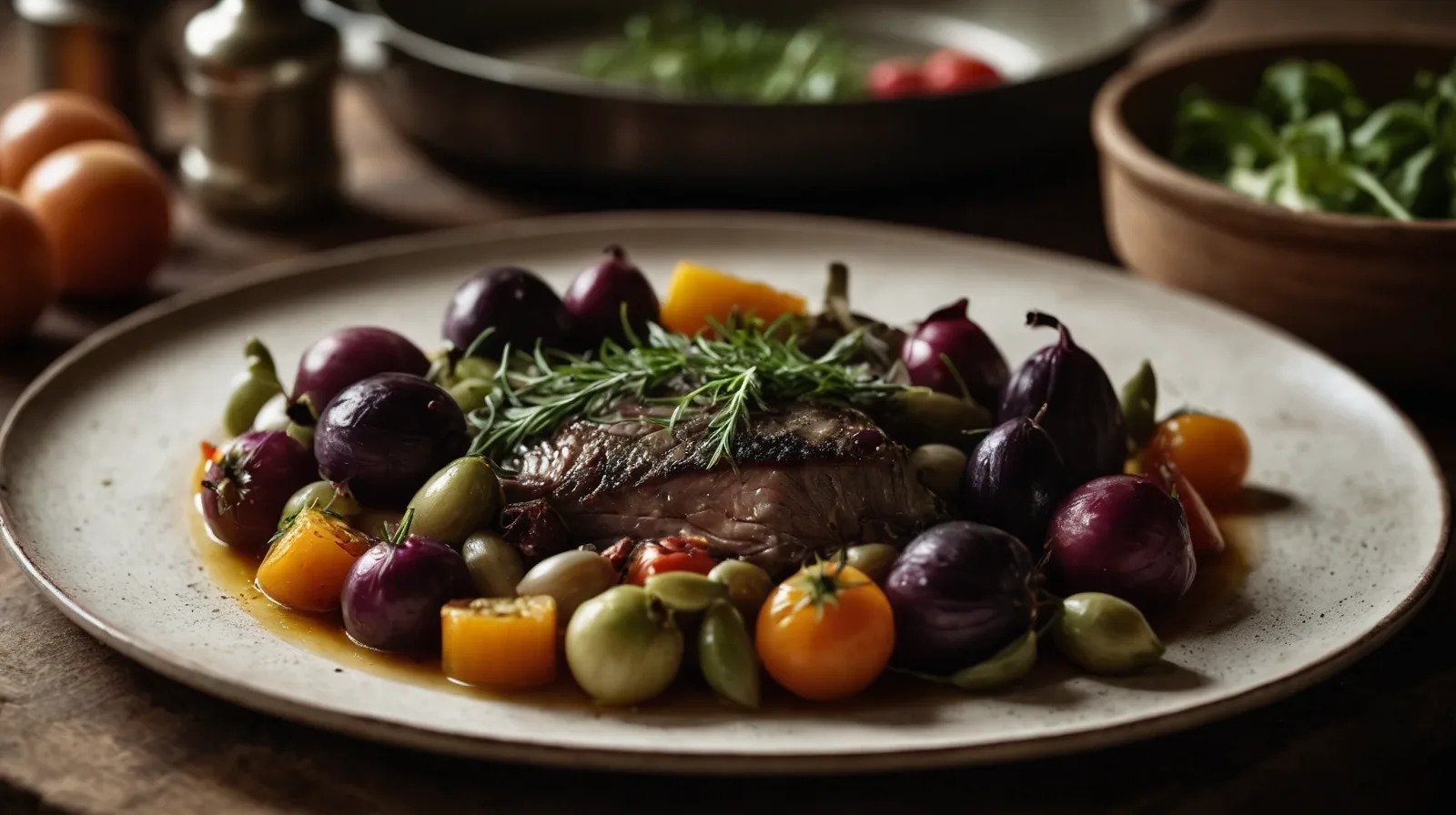
Braising is a two-step cooking technique that begins with searing meat at a high temperature to lock in those mouthwatering flavors. Then, the meat (and often some hearty vegetables) is slowly cooked in a small amount of liquid, usually covered, in a pot or Dutch oven. The key here is that the food is only partially submerged in liquid.
- Temperature: Start with a hot sear, then reduce to a gentle simmer around 300°F (149°C).
- Liquid Ratio: Use just enough liquid to reach about halfway up the sides of the meat.
Stewing Simplified
Stewing, on the other hand, involves cooking food that is fully submerged in liquid. This method is ideal for tougher cuts of meat and vegetables, which benefit from longer cooking times to become tender and flavorful.
- Temperature: Simmer gently at around 180°F to 200°F (82°C to 93°C).
- Liquid Ratio: Ensure the ingredients are fully covered by the liquid.
When to Use Which Method
Choosing between braising and stewing often comes down to the cut of meat and the desired texture. Braising is fantastic for larger cuts like short ribs or pork shoulder, where you want to maintain some structure. Stewing is perfect for smaller, more uniform pieces of meat and vegetables that you want to meld into a harmonious pot of goodness.
Braising Wins When...
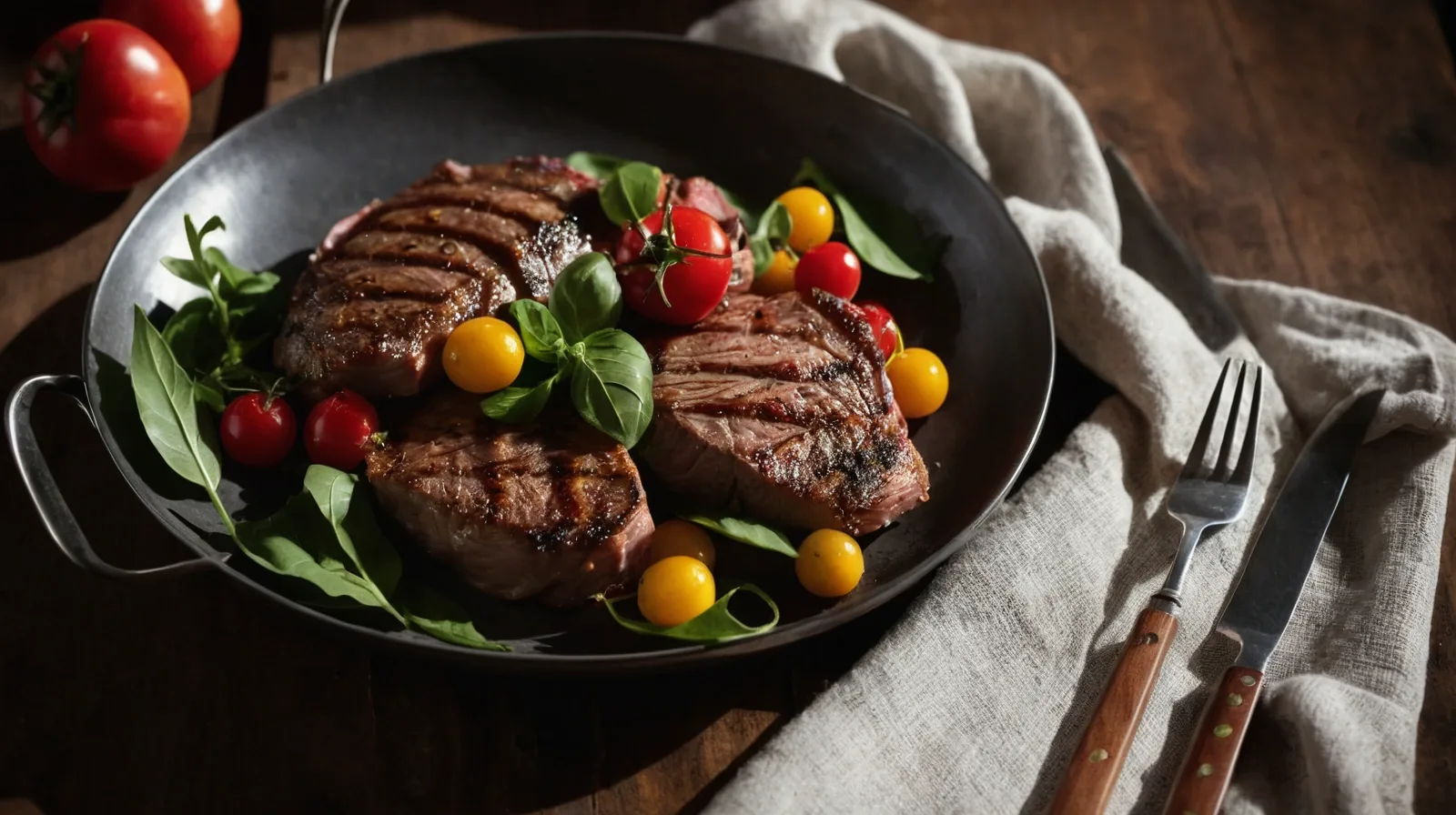
- You want to serve meat with a nice crust and fork-tender insides.
- You're working with larger cuts that need a mix of dry and moist heat to shine.
Stewing Steals the Show When...
- You're looking for a melt-in-your-mouth texture.
- You have smaller, uniform pieces that cook evenly in liquid.
Actionable Tips for Braising and Stewing Success
Now that we've got the basics down, let's dive into some tips to up your braising and stewing game:
Tips for Braising
- Pat your meat dry before searing to ensure a good crust.
- Use aromatic vegetables like onions, carrots, and celery for added flavor.
- Resist the urge to lift the lid; let that steam work its magic!
Tips for Stewing
- Cut meat and vegetables into similar sizes for even cooking.
- Skim off any foam or impurities that rise to the surface early in the cook.
- Don't rush it – low and slow is the name of the game.
Mini-FAQ
Can I braise vegetables?
Absolutely! While braising is often associated with meat, you can braise hearty vegetables like cabbage or Brussels sprouts for a delicious side dish.
How long should I cook a stew?
A good rule of thumb is 1.5 to 2 hours for most stews, but it can vary based on the ingredients. The longer you cook, the more flavors meld together.
Closing Thoughts
Whether you're braising a beef brisket or stewing a pot of chicken and dumplings, understanding these techniques means you'll be serving up dishes that are sure to impress. Remember, cooking is an art, and like any art, practice makes perfect. Happy cooking!