Kosher Salt vs. Sea Salt vs. Table Salt: What Actually Matters
Unlock the salty truth: discover the real differences between kosher, sea, and table salt, and why your choice might matter more than you think.
The Salt Dilemma: Not All Grains Are Created Equal
Walk into any well-stocked kitchen, and you'll find a variety of salts jostling for space on the shelf. But is there really a difference between kosher salt, sea salt, and table salt? Spoiler alert: yes, there is.
The Texture Tells the Tale
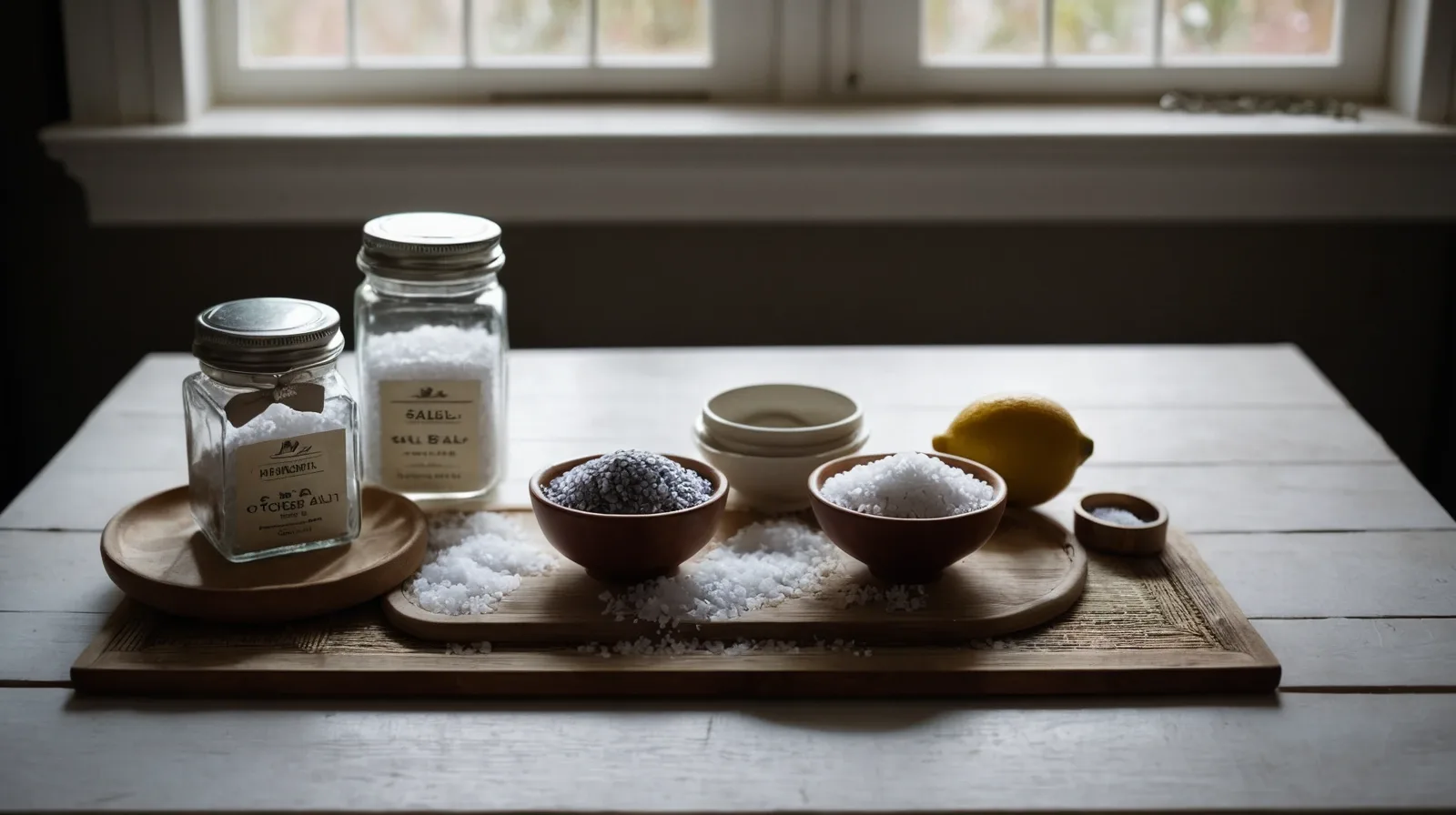
Kosher salt is coarse and chunky, perfect for when you want to really grab onto each crystal with your fingertips. Sea salt varies wildly, from fine to flaky, and often boasts a briny, mineral-rich flavor. Table salt, on the other hand, is fine-grained and typically contains additives like iodine and anti-caking agents.
Why Your Salt Matters
Salt is more than just a seasoning; it's a flavor enhancer, a preservative, and a crucial component in baking. The type you use can impact the texture and taste of your dish.
Cooking with Coarse Kosher Salt
When you're prepping proteins, kosher salt's larger crystals allow for even distribution and better adherence. Use 2 teaspoons per pound of meat for brining to achieve that perfect balance of flavor and moisture.
Savoring Sea Salt's Subtleties
Sea salt is a finishing touch, sprinkled over dishes right before serving to impart a delicate crunch and nuanced flavor. Try it on caramelized vegetables or a fresh batch of popcorn.
Table Salt: The Everyday Workhorse
With its fine texture, table salt dissolves quickly, making it ideal for baking where uniform distribution is key. But beware: a little goes a long way due to its higher density.
The Great Salt Swap
So, can you swap one for another? Technically, yes. But it's not always a 1:1 trade-off. Due to differences in crystal size and density, you might need to adjust measurements to avoid over or under-seasoning.
- Kosher to Table: Use about half as much table salt by volume.
- Sea to Kosher: They're often interchangeable, but taste as you go due to varying intensities.
Mini-FAQ: Your Burning Salt Questions Answered
Does the origin of sea salt affect its taste?
Absolutely! The minerals in sea salt come from the water it's harvested from, giving each batch a unique flavor profile.
Why is my table salt clumping?
Despite anti-caking agents, humidity can still cause clumping. Store it in an airtight container to keep it free-flowing.
Closing Thoughts: Salt with Confidence
Whether you're a fan of kosher's coarse embrace, sea salt's subtle whispers, or table salt's dependable pinch, understanding your options empowers you in the kitchen. Remember, cooking is personal, and so is your choice of salt. Season boldly, and let your taste buds be your guide.