How to Use Acid to Fix Almost Any Dish
Discover how a splash of acid can rescue your meals from blandness to brilliance. From citrus to vinegar, learn the tricks to elevate your cooking.
Introduction: The Secret Ingredient You're Probably Overlooking
Ah, the humble acid – the unsung hero of your kitchen. It's like that witty friend who always knows exactly what to say to liven up the party. In cooking, acids like lemon juice, lime juice, and vinegar are flavor magicians, ready to transform your dishes from ho-hum to holler-worthy. They're the secret ingredient chefs use to balance, brighten, and just plain make things taste better.
Why Acid Works Wonders
Acids cut through fat and richness, balancing the flavor profile and making your taste buds do a little happy dance. They can also help tenderize proteins and preserve the vibrant colors of your veggies. Want to know the best part? You probably already have several acids lurking in your pantry, just waiting to be unleashed.
The Chemistry of Flavor Balancing
Let’s get nerdy for a sec. Acids lower the pH of your food, which can enhance the perception of other flavors. When you squeeze a lemon over grilled fish, you're not just adding a citrus zing – you're unlocking deeper, richer flavor notes that were hiding out. It's like flipping on a switch for your taste buds.
Acids 101: Your Flavor Arsenal
- Citrus Juices: Lemon, lime, orange, and grapefruit juices are your go-to for a refreshing, tangy kick.
- Vinegars: From apple cider to balsamic, vinegars offer a range of flavors from sweet to sharp.
- Wine: A splash of white or red wine can add complexity and subtle acidity to sauces and braises.
- Tomatoes: Technically a fruit, tomatoes bring a natural acidity that works wonders in everything from soups to pasta sauces.
Practical Tips to Acidify Your Dishes
The Right Amount Makes All the Difference
Start with small amounts – a teaspoon here, a tablespoon there – and taste as you go. Remember, you can always add more, but you can't take it away once it's in there. A general rule of thumb is 1 tablespoon of lemon juice or vinegar per pound of food.
Pair Wisely
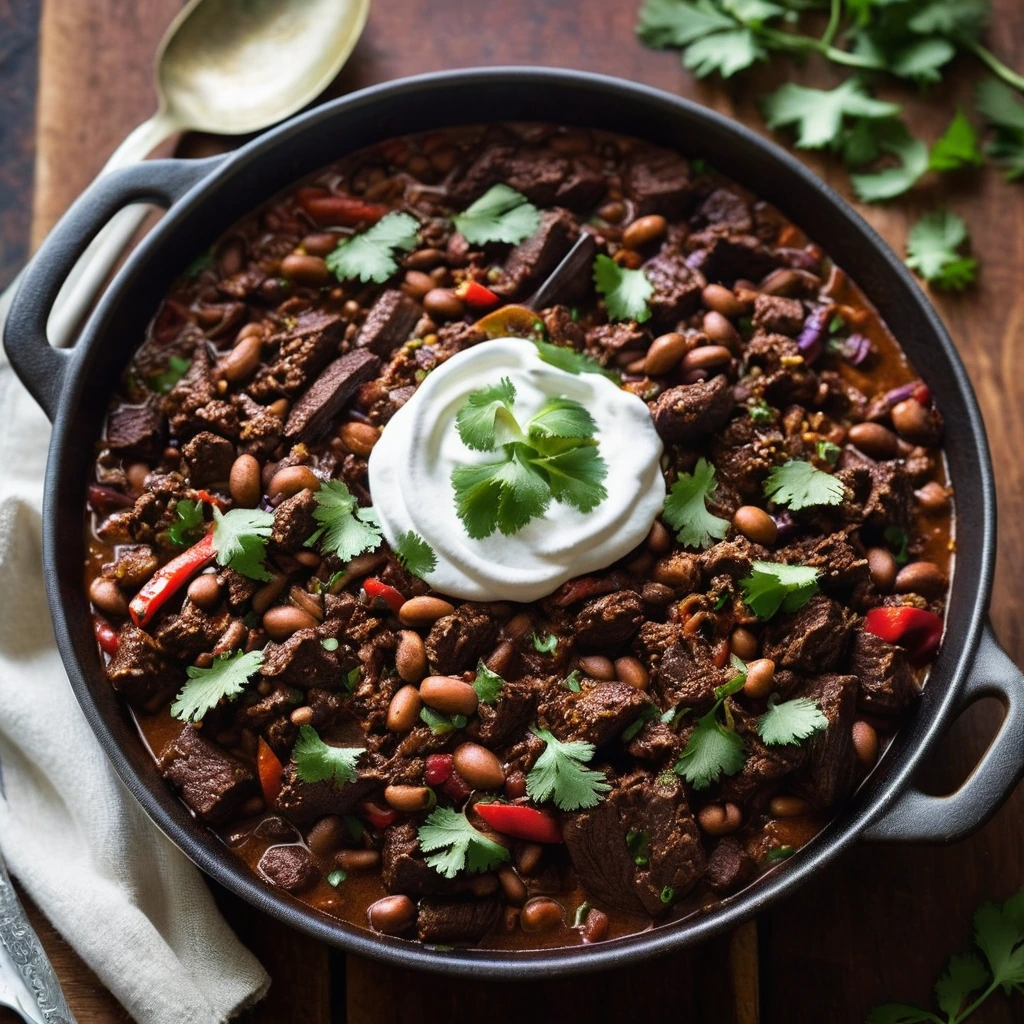
Match your acids to your dishes. Lemon pairs beautifully with seafood, while a splash of red wine vinegar can elevate a hearty beef stew. Think about the flavors you want to accentuate and choose your acid accordingly.
Acids in Baking
Acids aren't just for savory dishes! In baking, they react with baking soda to create airy, fluffy textures. Cream of tartar and buttermilk are your allies here. Just remember, they affect leavening, so measure with care.
Mini-FAQ: Answering Your Burning Acid Questions
Q: Can I use bottled lemon juice instead of fresh?
Sure, you can! While fresh is always best for its vibrant flavor, bottled lemon juice is a fine substitute in a pinch. Just know it might not pack the same punch.
Q: What if I don't like acidic foods?
No worries! Start with just a splash and adjust to your taste. The goal isn't to make everything pucker-worthy, but to use acid to enhance, not overwhelm.
Q: Can acids help with over-salted dishes?
Absolutely! Acids can help balance overly salty dishes by adding complexity. Try adding a squeeze of lemon or a splash of vinegar to distract your palate from the salt.
Closing: Embrace the Acidic Advantage
So there you have it, home cooks: the transformative power of acids in your culinary arsenal. Whether you're rescuing a lackluster sauce or just looking to add some pizzazz to your plate, acids are your ticket to flavor town. Grab that lemon, uncork that vinegar, and let your dishes sing. Happy cooking!