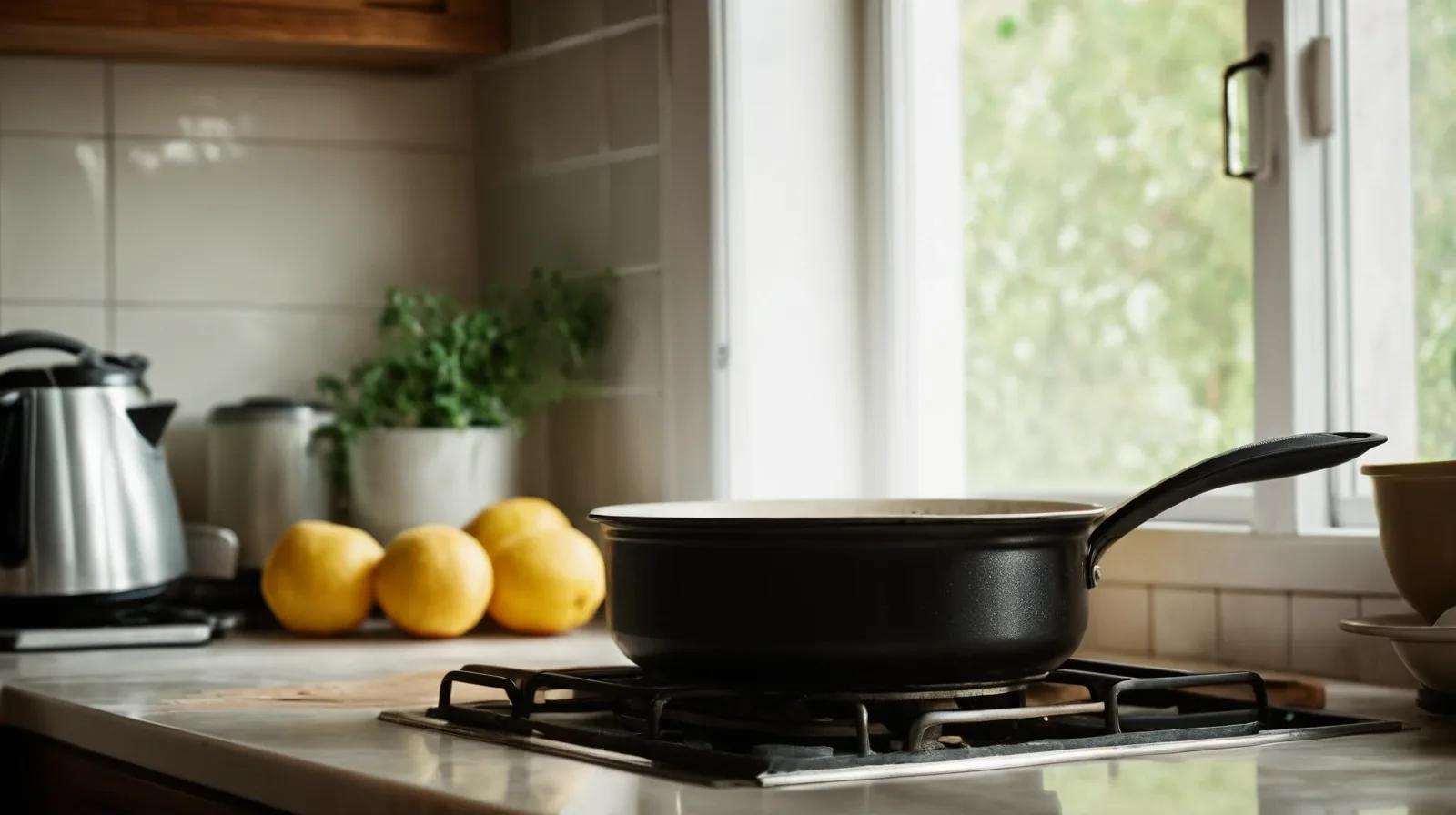
How to Make Homemade Gravy Without Lumps
Learn the foolproof method to create smooth, rich homemade gravy that's lump-free every time.
The Secret to Silky Smooth Gravy
Ah, gravy. That luscious, savory sauce that can turn any meal into a feast. But let's be real: nothing ruins a gravy moment quite like those dreaded lumps. Fear not, home cook! With a few simple tips, you'll be making lump-free gravy like a seasoned pro.
Why Do Gravy Lumps Form?
First off, let's understand the enemy. Lumps usually form when flour isn't properly incorporated into the fat. Flour is like a sponge; if it clumps together before hitting the heat, it'll stay that way in your gravy.
Gather Your Ingredients
- 2 tablespoons unsalted butter
- 2 tablespoons all-purpose flour
- 2 cups turkey or chicken stock
- Salt and pepper to taste
Prep is Key
Before you even turn on the stove, make sure your stock is free of any impurities. A good whisk is your best friend here – it helps incorporate air and break up any potential clumps.
Step-by-Step Guide to Perfect Gravy
Melt the Butter
In a saucepan, melt your butter over medium heat. You want it to be bubbly but not browned.
Whisk in the Flour
Slowly whisk in the flour to create a roux. Keep whisking until it's smooth and bubbly, about 2 minutes. This cooks out the raw flour taste and sets the stage for a smooth gravy.
Add the Stock Gradually
Here's the crucial part: slowly pour in your stock, whisking constantly. A ladle works great for this. Don't rush; let the roux absorb the liquid bit by bit to prevent lumps from forming.
Simmer and Season
Bring the mixture to a gentle simmer, whisking frequently. Let it thicken for about 5 minutes. Taste and season with salt and pepper.
Troubleshooting Tips
Even with all the right moves, things can go sideways. Here's how to fix common gravy gremlins:
- Too Thick: Whisk in a splash more stock or water until you reach your desired consistency.
- Too Thin: Make a slurry with 1 teaspoon of flour and 1 tablespoon of cold water, then whisk into the gravy until thickened.
- Got Lumps Anyway: Pour your gravy through a fine-mesh strainer into a clean saucepan.
Mini FAQ
Can I use a blender to smooth out gravy?
While it might seem like a quick fix, blending hot liquids can be dangerous and may introduce air bubbles. Stick to straining or whisking.
What's the ideal temperature for making gravy?
Medium heat is your friend. Too hot, and you risk burning the roux; too low, and the flour won't cook properly.
Closing Thoughts
Making gravy doesn't have to be a stressful affair. With patience, the right tools, and a bit of know-how, you can whip up a batch that'll have everyone at the table asking for seconds. So next time you're faced with that saucepan and a pile of flour, remember: you've got this. And remember, a good gravy is like a good story—it gets better with a little stirring and a lot of heart.