How to Deglaze a Pan (and Unlock Secret Flavor)
Deglazing is your ticket to richer, more flavorful dishes. Learn the art of turning those crispy browned bits into liquid gold.
Why Deglaze a Pan?
Ever noticed those tasty little browned bits stuck to the bottom of your pan after searing or sautéing? That's fond, and it's packed with flavor. Deglazing is like giving your pan a post-cook rinse, but instead of water, you use a flavorful liquid to loosen and dissolve those bits, creating a base for sauces, gravies, or soups that's rich with umami.
Tools and Ingredients You'll Need
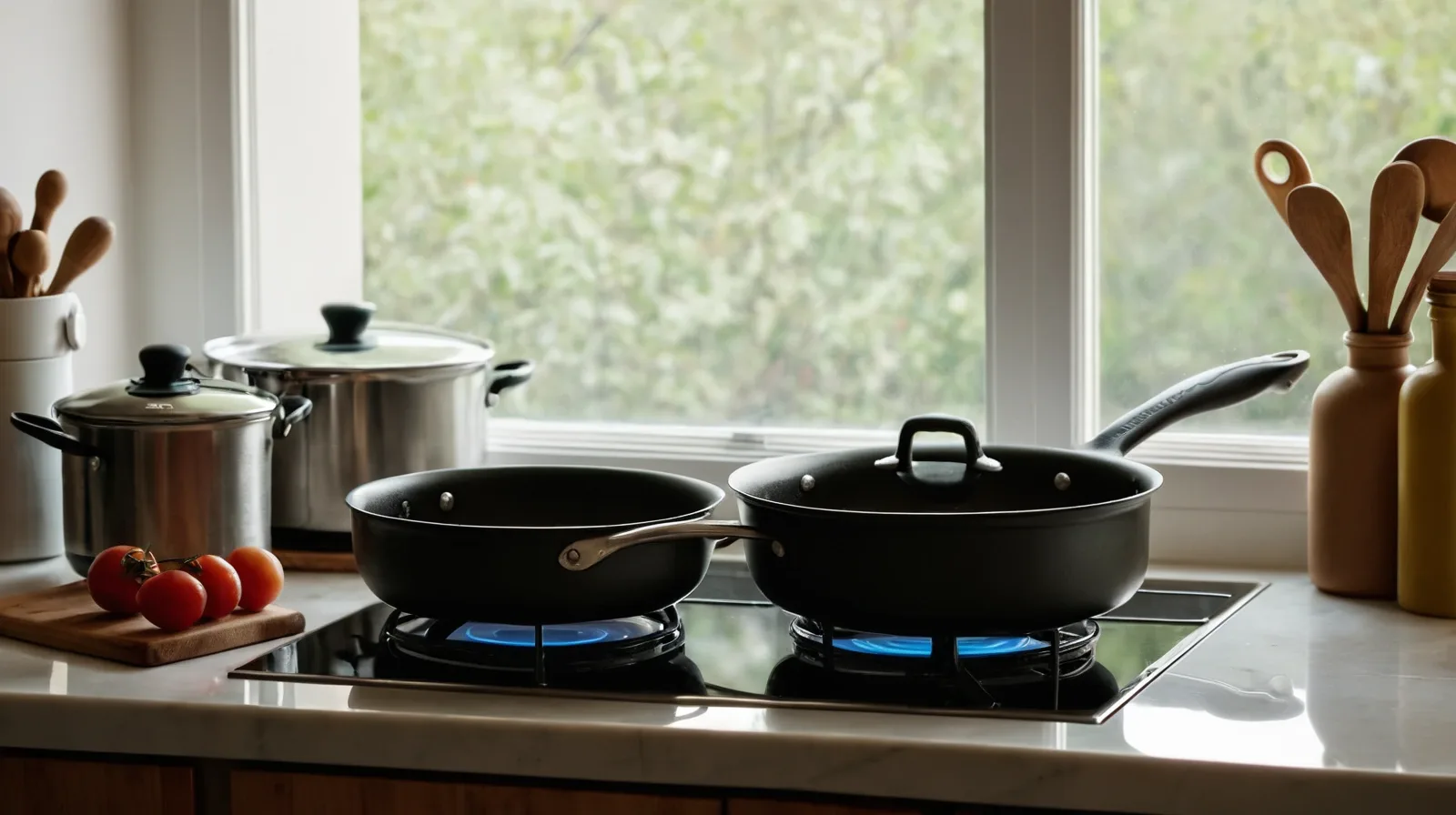
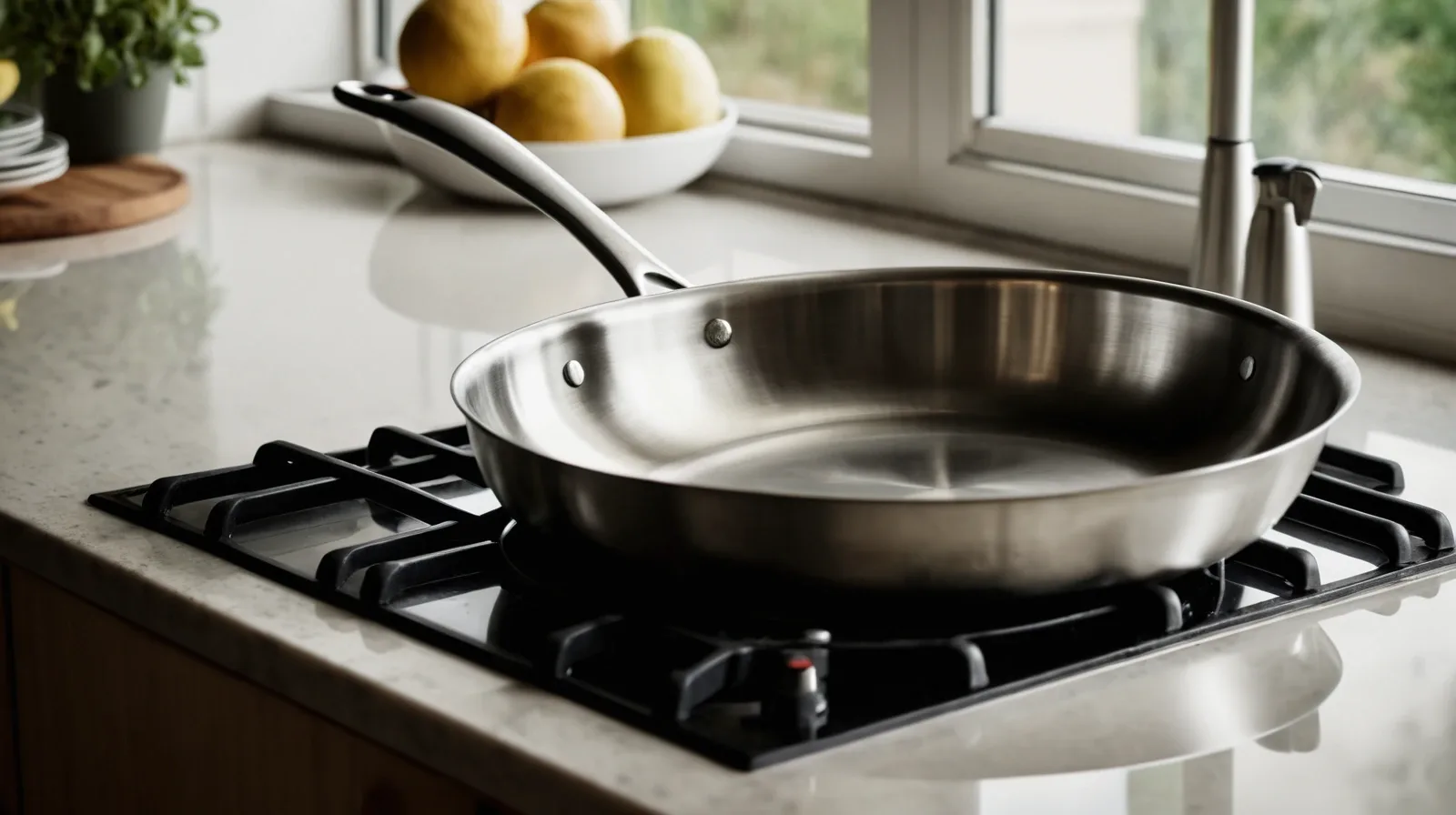
- A sturdy sauté pan or skillet (cast iron or stainless steel works best)
- A wooden spoon or spatula
- Your choice of deglazing liquid: wine, broth, beer, juice, or even water (though, let's be honest, water is the least exciting option)
The Step-by-Step Guide to Deglazing
- Get Your Pan Hot: After cooking your meat or veggies, leave the pan on the heat for a moment to ensure it's nice and hot.
- Add Your Liquid: Pour in enough liquid to just cover the bottom of the pan. The amount depends on your recipe, but generally, 1/4 to 1/2 cup is a good starting point.
- Scrape Away: Using a wooden spoon or spatula, scrape up those tasty bits. Stir and scrape until the liquid is well-combined with the fond.
- Simmer and Season: Allow the mixture to simmer for a few minutes to concentrate the flavors. Taste and season as needed.
Pro Tips for Perfect Deglazing
- Don't deglaze a scorching hot pan with cold liquid; it could warp or crack your cookware. Give it a moment to cool slightly.
- Experiment with different liquids for varied flavor profiles. A splash of balsamic vinegar can add a tangy twist, while beer brings a malty depth.
- Deglaze with alcohol? Let it simmer for a minute or two to cook off the raw alcohol taste.
Unlocking Flavor: Beyond the Basics
Deglazing is just the beginning. Here are some ideas to take your cooking up a notch:
- Infuse Your Liquid: Simmer herbs, spices, or garlic in your deglazing liquid before pouring it into the pan for an extra layer of flavor.
- Finish with a Dab: Stir in a pat of butter at the end to add richness and sheen to your sauce.
- Whisk in a Thickener: A slurry of cornstarch or a whisked egg yolk can turn your deglazing liquid into a silky smooth sauce.
Mini-FAQ
Can I deglaze with olive oil?
While olive oil is fantastic for cooking, it's not ideal for deglazing. You need a liquid that can dissolve those flavorful bits, and oil won't do the trick. Stick with water-based liquids for best results.
What if I don't have wine or broth?
No worries! You can use fruit juice, vinegar, or even plain old water in a pinch. Sure, they won't add as much flavor, but they'll still help lift those tasty morsels from your pan.
Closing Thoughts
Deglazing is one of those simple techniques that can make a world of difference in your cooking. It transforms the seemingly ordinary into extraordinary, unlocking layers of flavor you might otherwise miss. So next time you're cooking, don't let those browned bits go to waste – deglaze and discover the secret to deeply flavorful dishes.