Workflow Technique: Building Confidence by Repeating Core Techniques
Cooking is like any other skill: mastery comes with repetition. The workflow technique of building confidence by repeating core techniques is a game-changer for home cooks. By honing a few essential methods, you create a solid foundation upon which to build culinary creativity. This technique isn't about memorizing a recipe verbatim but understanding the underlying principles that make dishes work. Start with knife skills, as they are fundamental to almost every cooking task. Next, focus on sautéing, which teaches you about heat control and timing. Roasting is another core technique that, when mastered, allows you to elevate vegetables, meats, and even fruits with minimal effort. Braising and stewing are your allies for tougher cuts of meat, transforming them into tender delights. Finally, understand the art of emulsification for perfect sauces and dressings. Repeating these core techniques allows you to internalize the nuances of texture, flavor, and timing. Each repetition builds muscle memory, sharpens your senses, and deepens your understanding of how ingredients interact. This workflow isn't just about becoming faster in the kitchen; it's about gaining the confidence to improvise, innovate, and ultimately enjoy the process of cooking.
Notes
This workflow technique works because repetition fosters muscle memory and cognitive understanding. Pay attention to common mistakes like incorrect heat control or overcooking, which can be rectified with mindful adjustments. Safety is paramount; always use proper knife handling and be cautious with hot surfaces and oils. To make ahead, practice techniques with ingredients that can be stored, like roasted vegetables or braised meats, and refrigerate or freeze them for later use. Consistent practice is key, so set aside time each week to focus on your cooking skills.
Steps
- 1 Choose one core technique to focus on, such as knife skills, sautéing, roasting, braising, stewing, or emulsification.
- 2 Practice this technique with a simple recipe to understand its basic principles.
- 3 Repeat the technique with different ingredients to observe how each reacts.
- 4 Pay attention to the texture, color, and aroma changes during the process.
- 5 Adjust your heat settings and timing based on visual and olfactory cues.
- 6 Take notes on your observations and adjustments for future reference.
- 7 Once comfortable, introduce slight variations to challenge your understanding.
- 8 Gradually incorporate the technique into more complex recipes.
- 9 Reflect on each session to identify areas for improvement.
- 10 Repeat the cycle with another core technique after mastering the first.
- 11 Experiment with combining techniques to create multi-layered dishes.
- 12 Invite friends over to cook and share your newfound confidence.
- 13 Continue cycling through techniques, always refining your skills.
- 14 Celebrate your progress and enjoy the journey of becoming a more capable cook.
Ingredients to explore
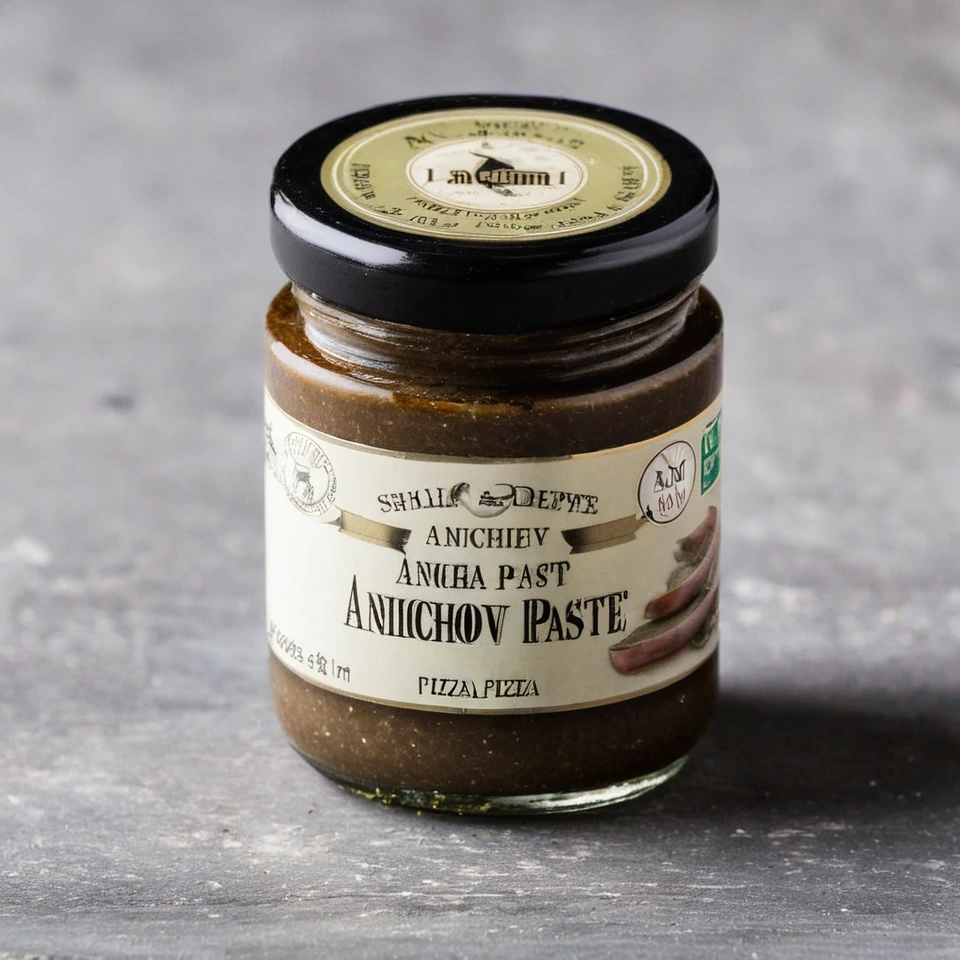
Anchovy Paste
Anchovy paste is a rich, salty spread made from finely ground anchovies, salt, and sometimes olive oil. It offers a deep umami flavor that enhances a variety of dishes.
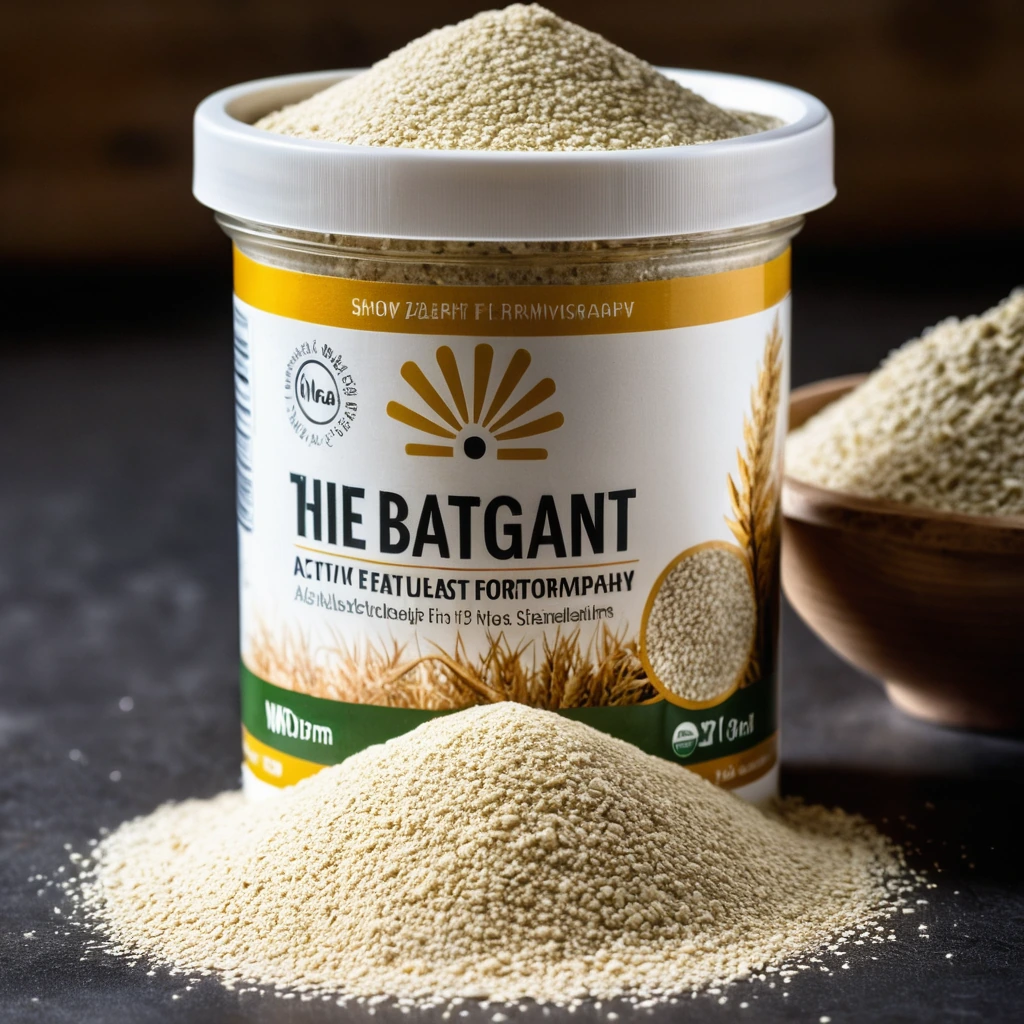
Active Dry Yeast
A fine, granulated leavening agent that brings baked goods to life with its gentle fermentation magic.
Recipes to try
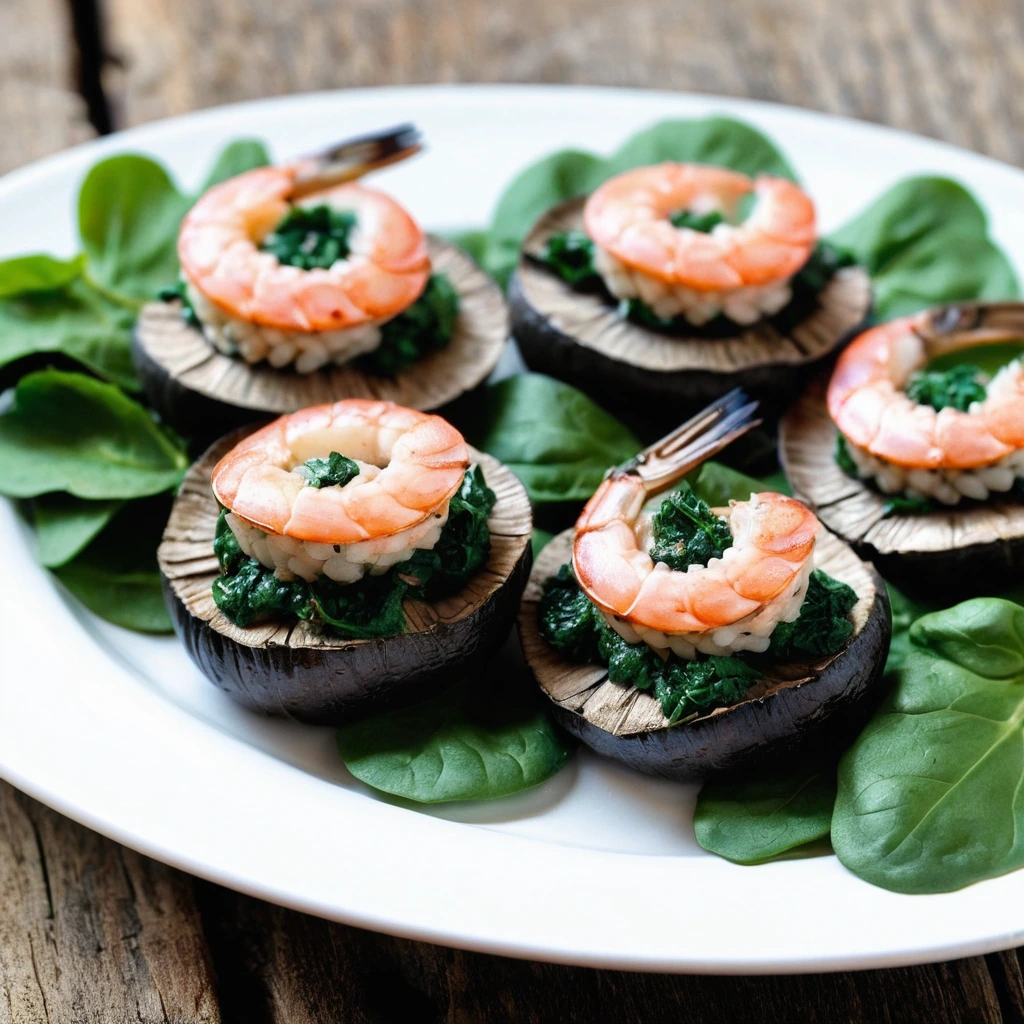
Shrimp and Spinach Stuffed Portobellos
Tender shrimp mingles with sautéed spinach in a savory filling, nestled inside roasted portobello mushrooms for a satisfying vegetarian-friendly main.
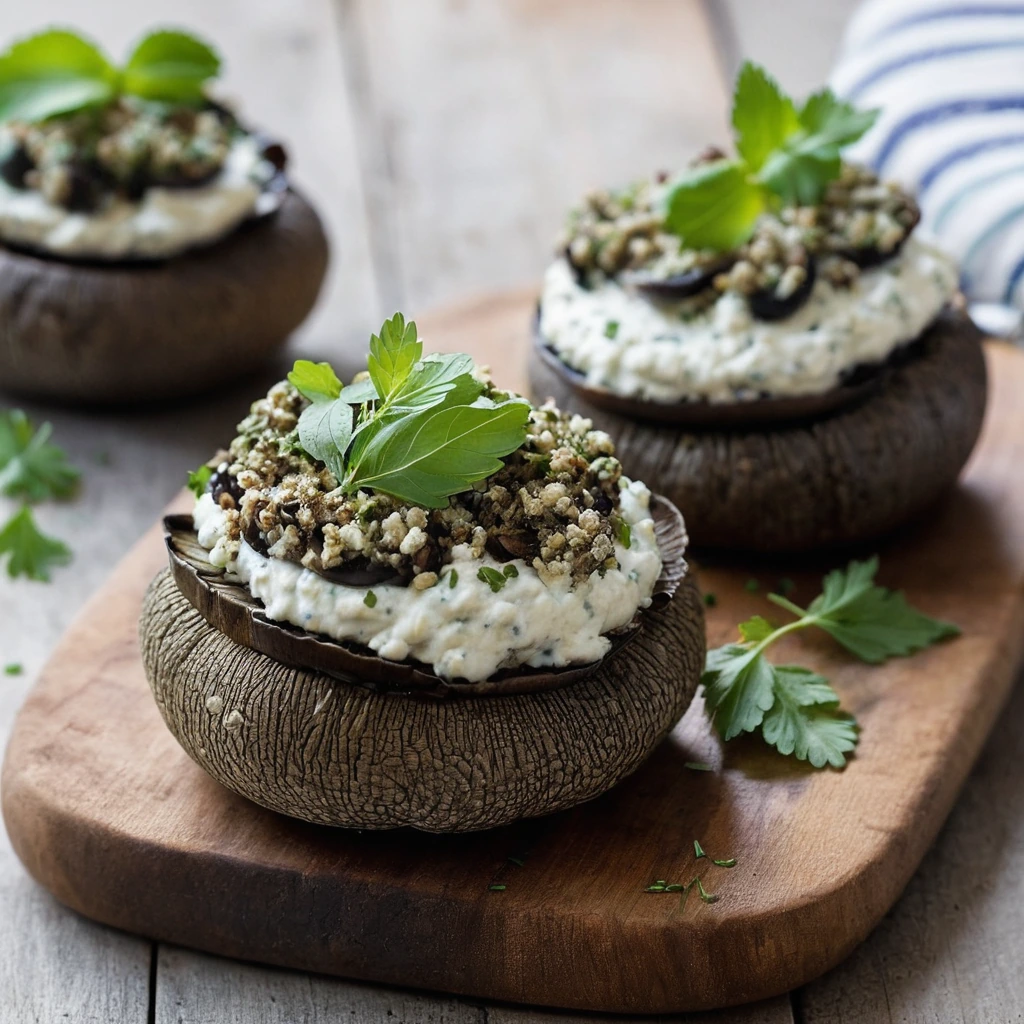
Stuffed Portobello Mushrooms with Herbed Ricotta
These earthy portobello mushrooms are stuffed with a creamy, herbed ricotta mixture, offering a satisfying vegetarian delight that's both elegant and easy.