Timers and Workflow: Mise en Place Timing
Mastering the art of timing in the kitchen is crucial for executing complex recipes with ease. Mise en place, a French culinary term meaning 'everything in its place,' is the practice of preparing all your ingredients before you start cooking. When combined with strategic timing and workflow planning, it transforms chaos into culinary harmony. This technique is not just about organizing your ingredients; it's about understanding how each component interacts with time and temperature to achieve the best results. Whether you're braising a pot roast or assembling a multi-layered cake, effective timing ensures that every element is ready precisely when needed. First, evaluate your recipe to identify tasks that can be completed in advance. Next, consider the cooking times and temperatures for each component. Then, group similar tasks together to optimize efficiency. This technique is particularly useful for dishes with multiple components, like holiday meals or elaborate dinners for guests. By breaking down the recipe into manageable parts and assigning specific times for each task, you can minimize stress and maximize enjoyment. Understanding the science behind timing helps you appreciate how proteins denature, vegetables soften, and sauces thicken at different rates. This knowledge allows for better planning and adjustments based on your kitchen setup and personal experience. Lastly, remember that flexibility is key; even the best plans need tweaking based on how your cooking progresses. Embrace this technique and transform your cooking from a scramble to a symphony of flavors and textures.
Notes
The science behind mise en place timing lies in understanding how different ingredients react under heat and time. Proteins, for example, begin to denature at around 140°F, while starches gelatinize at higher temperatures. By planning your workflow, you can control these reactions more effectively. Common mistakes include underestimating prep time or failing to adjust for multitasking. To troubleshoot, start by timing yourself during prep phases to better predict how long each task will take. Safety is paramount; always ensure raw proteins are kept at safe temperatures and that your workspace is free from hazards. For make-ahead meals, certain components like sauces can be prepared and refrigerated a day in advance, then reheated just before serving. Leftovers can be stored in airtight containers for up to three days in the fridge.
Steps
- 1 Read through your entire recipe thoroughly.
- 2 List all ingredients and group them by when they are used.
- 3 Identify tasks that can be completed ahead of time, like chopping vegetables or marinating proteins.
- 4 Determine the cooking time and temperature for each component.
- 5 Arrange your workspace with all necessary tools and equipment ready.
- 6 Set timers for each phase of cooking, starting with the longest tasks.
- 7 Begin with tasks that require the most time or attention first.
- 8 As timers go off, switch to the next task seamlessly.
- 9 Adjust your workflow if certain tasks finish earlier or later than expected.
- 10 Keep an eye on multiple timers if managing several components simultaneously.
- 11 Taste and adjust seasonings as components finish cooking.
- 12 Combine components at the right time to ensure everything is served hot and fresh.
- 13 Clean as you go to maintain an organized workspace.
Ingredients to explore

Anaheim Peppers
Anaheim peppers are a mild chili pepper variety named after Anaheim, California, where they were first cultivated commercially. Originating from the New Mexico region, these peppers are celebrated for their versatility and gentle heat. They possess a flavor that is mildly sweet with a subtle tang, and a pleasant vegetal note reminiscent of green bell peppers, but with a hint of spice. Their texture is firm and crisp when fresh, becoming tender and slightly smoky when roasted or cooked. In cooking, Anaheim peppers behave well across a range of techniques, from grilling and roasting to stuffing and sautéing, contributing a nuanced depth without overwhelming other ingredients with heat.
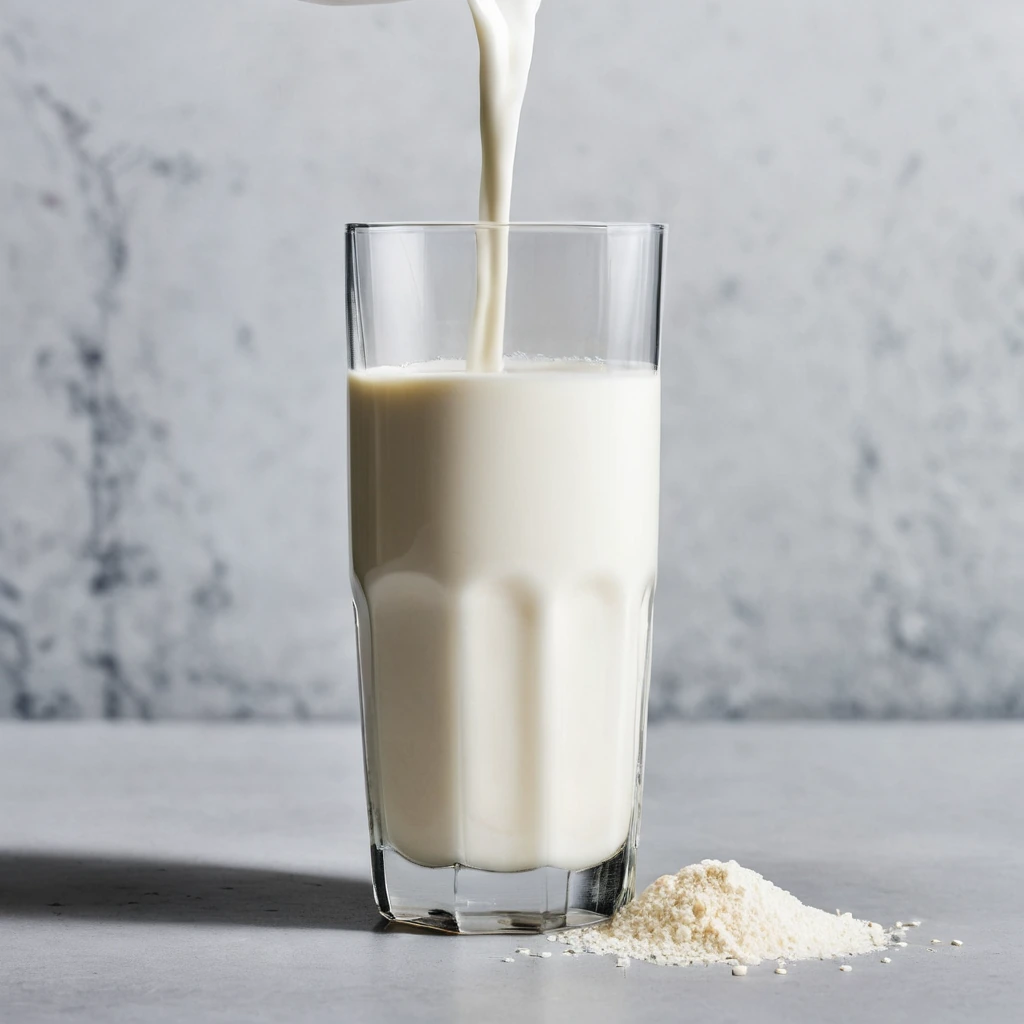
2% Milk
Creamy and just a touch lighter than whole milk, 2% milk offers a perfect balance of richness and reduced fat. Its smooth texture and subtle sweetness make it a delightful choice for sipping or cooking.
Recipes to try
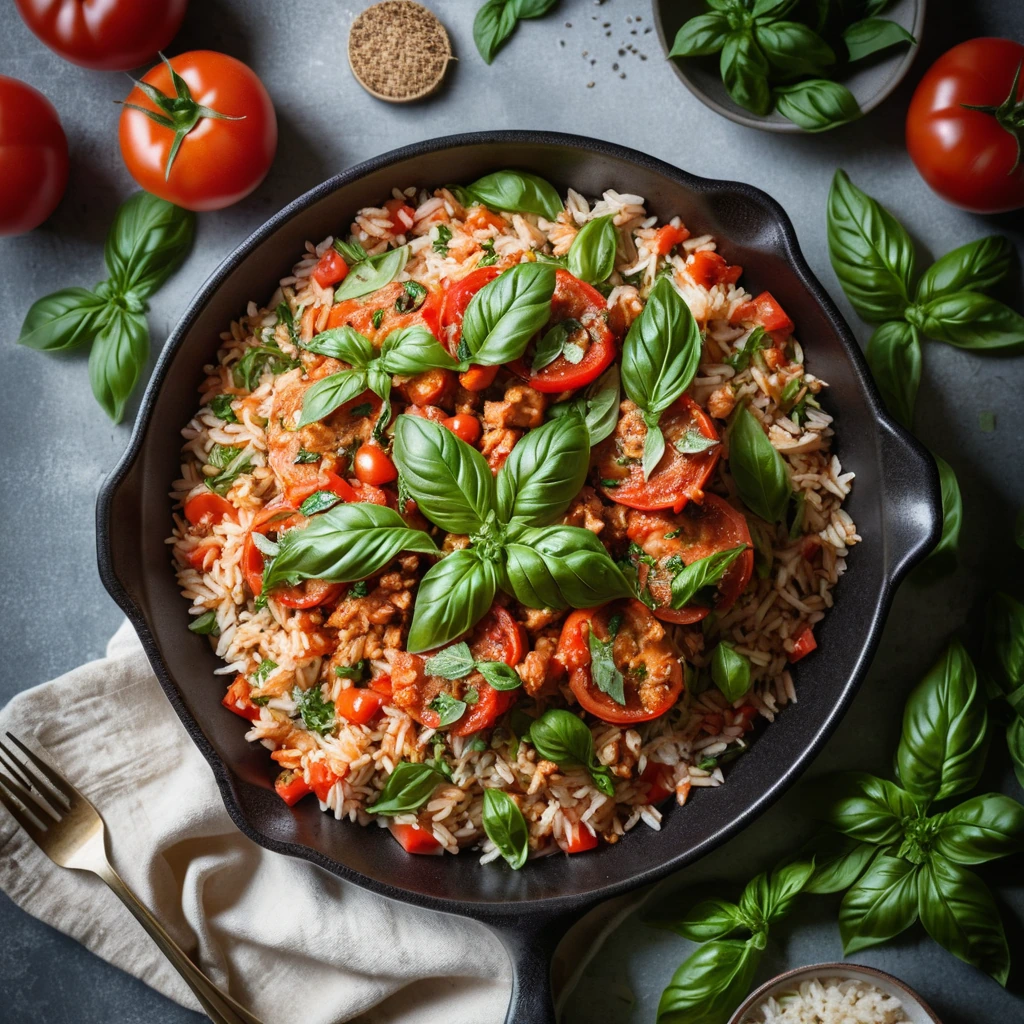
Tomato Basil Chicken and Rice Skillet
Golden chicken and fluffy rice simmered in a vibrant tomato-basil sauce, bursting with fresh garden flavors.
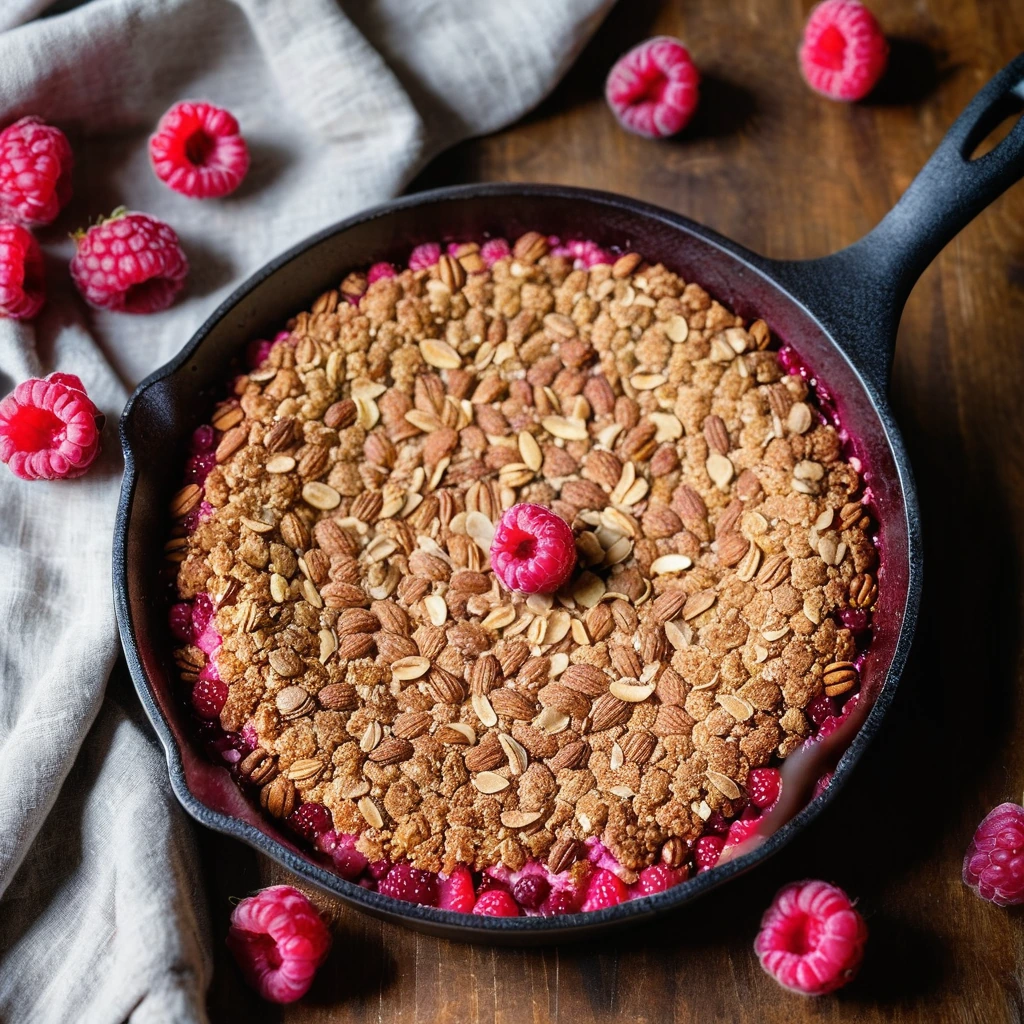
Raspberry Almond Crumble Skillet
A symphony of sweet raspberries nestled under a golden, almond-studded crumble, perfect for cozy evenings and brunch spreads.