Sauces: Veloute and Sauce Supreme Basics
Understanding the foundational sauces of French cuisine can elevate your cooking to new heights. Veloute and Sauce Supreme are two classic examples that demonstrate the elegance of simplicity. Veloute is a smooth, velvety sauce made from a white roux and stock, serving as a blank canvas for countless dishes. Sauce Supreme, a luxurious offshoot of Veloute, incorporates cream and Parmesan cheese to create a rich, creamy sauce perfect for coating pasta, vegetables, or meats. These sauces are not only delicious but also versatile, allowing home cooks to experiment and create their own culinary masterpieces. The art of making Veloute lies in mastering the roux—equal parts flour and butter cooked gently to remove the raw flour taste without browning. The stock is then gradually whisked in, ensuring a silky texture free of lumps. Sauce Supreme builds upon Veloute by adding richness through cream and depth with Parmesan, creating a sauce that's both indulgent and refined. Learning these techniques empowers you to control the consistency and flavor profile of your sauces. Whether you're aiming for a light coating on roasted vegetables or a decadent topping for chicken, mastering these sauces will undoubtedly enhance your culinary repertoire. Veloute is straightforward yet requires attention to avoid breaking the sauce, while Sauce Supreme demands precision in balancing its creamy components. Both sauces benefit from patience and gentle heat, ensuring they maintain their luxurious texture. By understanding the science behind these sauces, you'll be better equipped to troubleshoot and perfect them, ensuring your dishes are restaurant-worthy every time.
Notes
The science behind Veloute is simple: the starch in flour swells when heated with liquid, creating a thickening agent. Ensure your roux is smooth and well-cooked to avoid a raw flour taste. If your sauce breaks, it's often due to adding stock too quickly or at too high a temperature; temper the stock by heating it gently first. Sauce Supreme's creamy texture relies on gradual incorporation of dairy and cheese to prevent separation. Keep the heat low when adding cream and cheese to maintain a smooth consistency. Both sauces can be made ahead and stored in the refrigerator for up to 3 days; reheat gently over low heat, whisking constantly to restore the sauce's original texture.
Steps
- 1 Melt 3 tablespoons of butter in a saucepan over medium heat.
- 2 Add 3 tablespoons of flour to the melted butter, whisking constantly to form a smooth roux.
- 3 Cook the roux for 2-3 minutes, stirring constantly to remove the raw flour taste.
- 4 Gradually whisk in 3 cups of hot chicken or vegetable stock, ensuring no lumps form.
- 5 Simmer the sauce, stirring occasionally, until it thickens enough to coat the back of a spoon, about 5-7 minutes.
- 6 Season the Veloute sauce with salt and white pepper to taste.
- 7 For Sauce Supreme, stir in 1 cup of heavy cream and cook until heated through.
- 8 Gradually whisk in 1/2 cup of grated Parmesan cheese until fully melted and incorporated.
- 9 Simmer gently for an additional 2-3 minutes, stirring constantly to prevent curdling.
Ingredients to explore
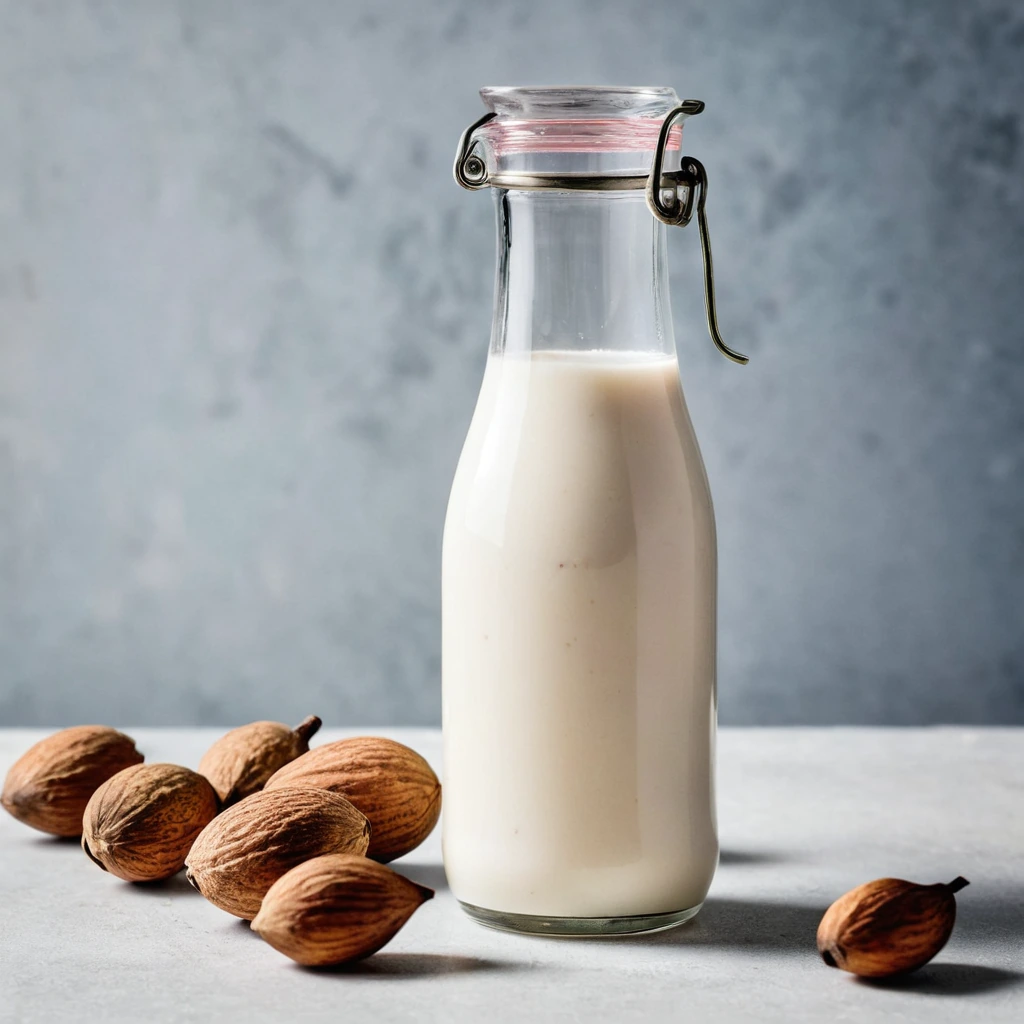
Almond Milk
Almond milk is a plant-based milk alternative made from ground almonds and water. Originating from traditional recipes in medieval Europe and the Middle East, it has gained widespread popularity in modern times as a dairy-free option. Almond milk has a subtly nutty flavor with a mild sweetness, and its aroma is reminiscent of fresh almonds. Its texture is smooth and creamy, though typically lighter than dairy milk. In cooking, almond milk behaves well in both savory and sweet applications, though it does not brown or caramelize like dairy milk. It is often used in cereals, smoothies, and baking, where its delicate flavor complements rather than overpowers other ingredients.

Anaheim Peppers
Anaheim peppers are a mild chili pepper variety named after Anaheim, California, where they were first cultivated commercially. Originating from the New Mexico region, these peppers are celebrated for their versatility and gentle heat. They possess a flavor that is mildly sweet with a subtle tang, and a pleasant vegetal note reminiscent of green bell peppers, but with a hint of spice. Their texture is firm and crisp when fresh, becoming tender and slightly smoky when roasted or cooked. In cooking, Anaheim peppers behave well across a range of techniques, from grilling and roasting to stuffing and sautéing, contributing a nuanced depth without overwhelming other ingredients with heat.
Recipes to try
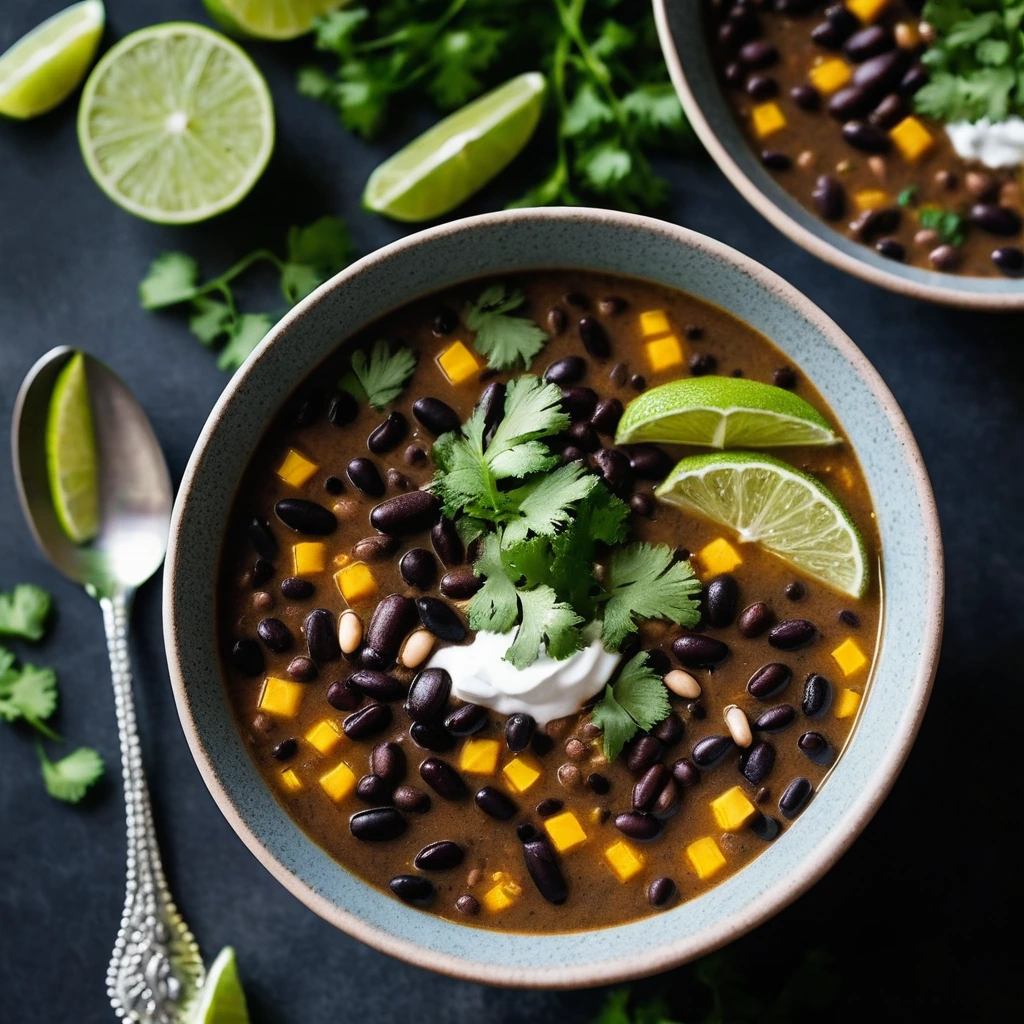
Smoky Black Bean and Corn Soup with Lime
This soup is a tangy, smoky hug in a bowl, with the fresh zing of lime cutting through rich black beans and sweet corn.
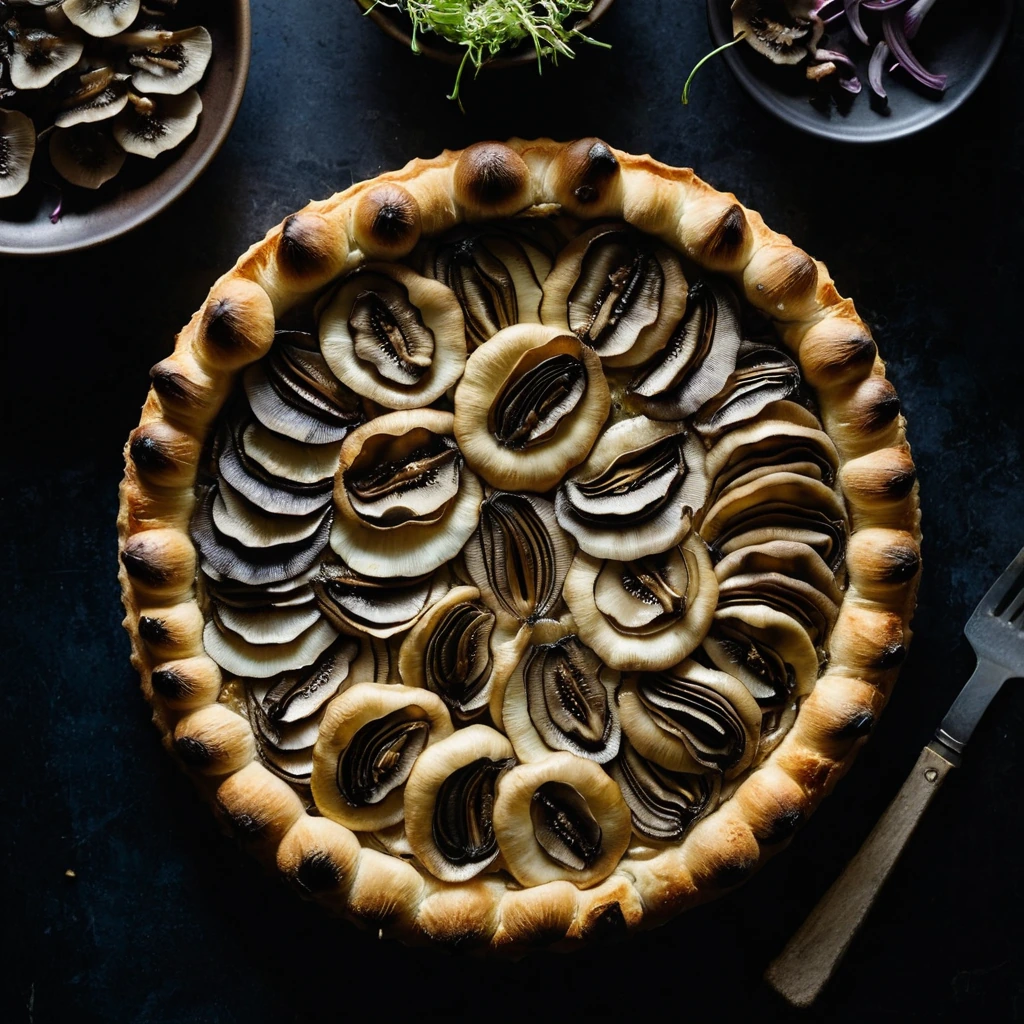
Mushroom, Onion, and Gruyère Tart
Golden, flaky pastry cradles a rich, earthy filling of sautéed mushrooms and onions, crowned with melty Gruyère.