Safety: Keeping Handles Turned Inward on the Stove
Cooking at home is a delightful experience, but it's essential to prioritize safety in the kitchen, especially when using the stove. One simple yet effective technique to prevent accidents is keeping your pot and pan handles turned inward. This method reduces the risk of someone bumping into a handle and potentially causing a spill or burn. Whether you're a seasoned cook or just starting out, understanding the importance of this technique can transform your cooking routine into a safer one. It's a small habit with significant benefits, particularly in bustling kitchens where multiple cooks might be working simultaneously. By keeping handles turned inward, you create a safer environment for everyone involved. This technique is not only about accident prevention but also about fostering a mindful cooking practice. Let's delve into why this technique is crucial and how it contributes to a safer cooking experience.
Notes
Turning handles inward works because it minimizes the risk of accidental contact, which is a common cause of kitchen spills and burns. This simple act leverages spatial awareness to create a physical barrier between the cookware and potential hazards. However, common mistakes include forgetting to turn handles inward when distracted or placing handles too close to the edge due to hurried cooking. To troubleshoot, make handle positioning a part of your pre-cooking checklist. Safety is paramount, so always prioritize secure positioning. For make-ahead meals, ensure handles are turned inward before leaving the kitchen unattended, and store cookware in a designated area once cooled. Proper storage prevents handle-related accidents when not in use.
Steps
- 1 Place pots and pans on the stove with their handles facing toward the back.
- 2 Ensure handles are not hanging over the edge of the cooktop.
- 3 Check that all handles are easily reachable without leaning over the stove.
- 4 Turn handles inward before starting to cook or heat anything.
- 5 Avoid placing items too close to the edge of the stove.
- 6 Use the back burners whenever possible to minimize handle protrusion.
- 7 Keep oven mitts and towels away from the stovetop edges to prevent accidental pulls.
- 8 Double-check handle positioning when adding or removing cookware.
- 9 Educate household members on the importance of inward-facing handles.
- 10 Establish a routine to always turn handles inward before cooking.
- 11 Consider using short-handled cookware to reduce risk further.
- 12 Keep the area around the stove clear of obstacles.
- 13 Remain vigilant and adjust handle positions as needed during cooking.
Ingredients to explore
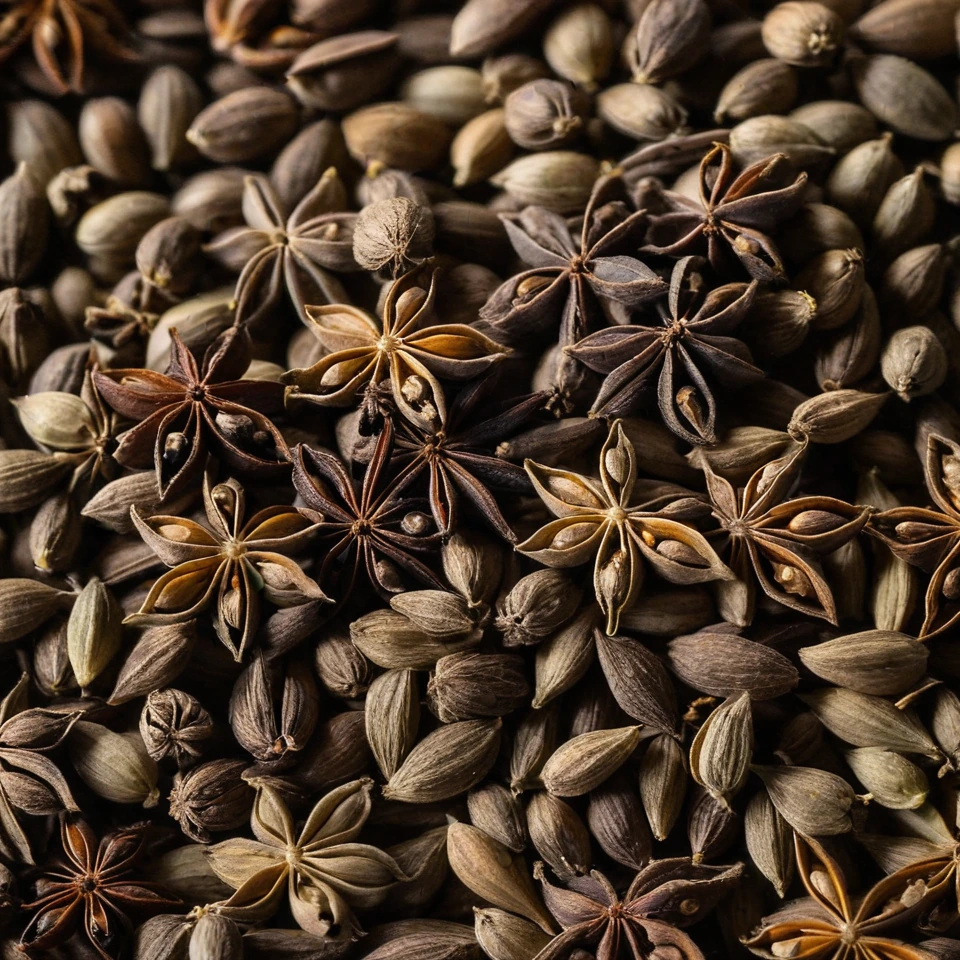
Anise Seeds
Anise seeds are small, oval seeds with a sweet, licorice-like flavor. They are commonly used in both sweet and savory dishes, offering a warm, aromatic taste.
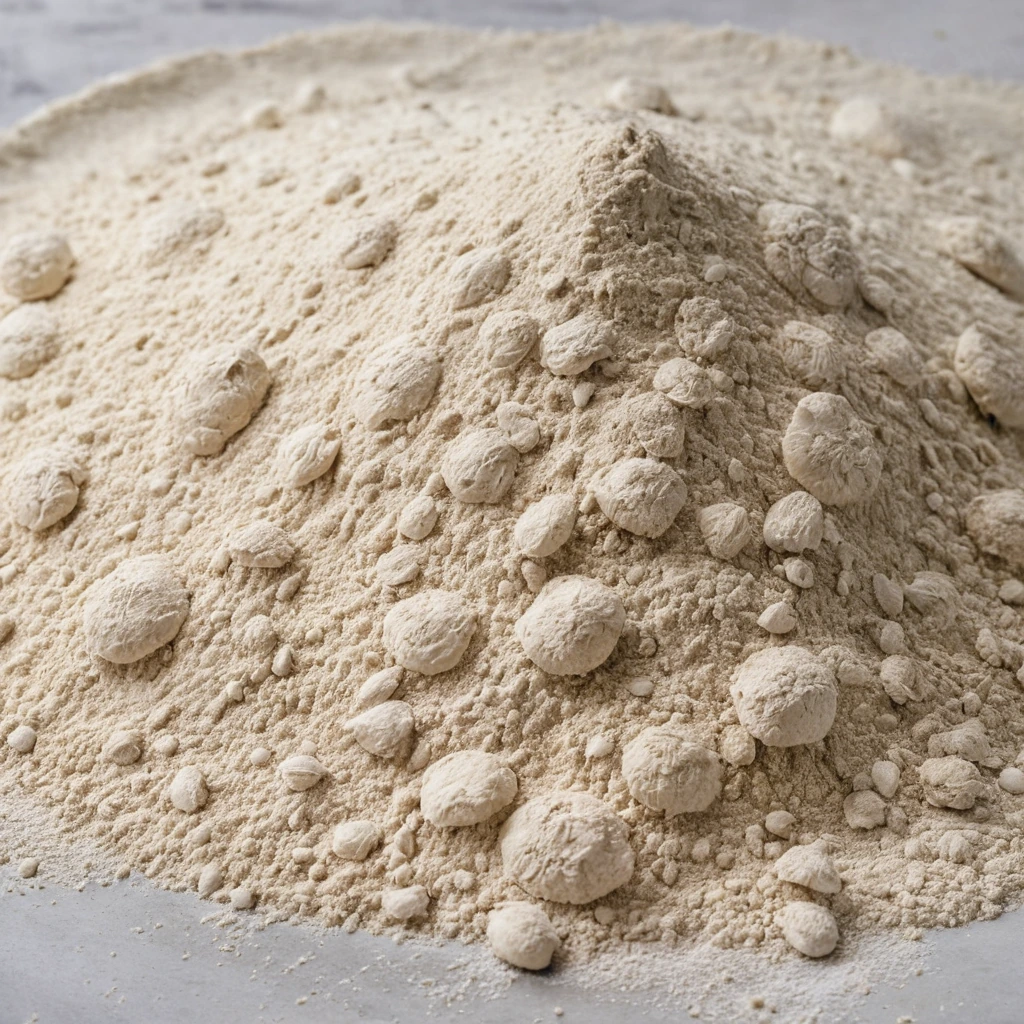
00 Pizza Flour
00 pizza flour is a finely milled Italian flour prized for its versatility in creating authentic Neapolitan-style pizza crusts. Originating from Italy, it is milled to a very fine consistency, which is reflected in its name, 'doppio zero,' indicating its fine grind. This flour has a balanced flavor profile, offering a mild, slightly sweet taste with a subtle nuttiness. Its texture is silky and smooth, contributing to a tender yet chewy crust when used in pizza making. In cooking, 00 pizza flour is known for its ability to hydrate quickly and develop a desirable gluten structure, resulting in a light and airy crust that can withstand high-heat cooking without becoming overly crispy or hard.
Recipes to try
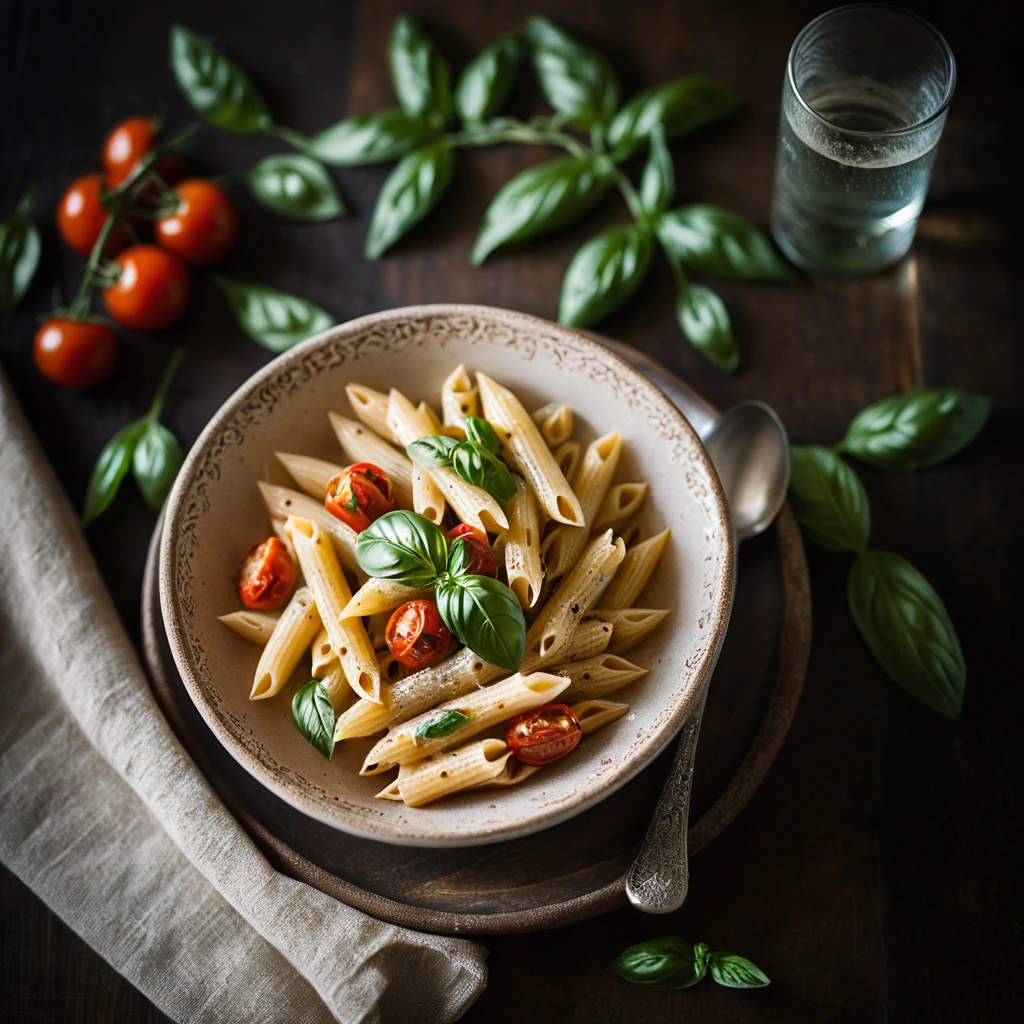
Roasted Tomato and Basil Cream Penne
Sun-kissed roasted tomatoes meld with creamy sauce and fresh basil for a penne that's both comforting and vibrant.
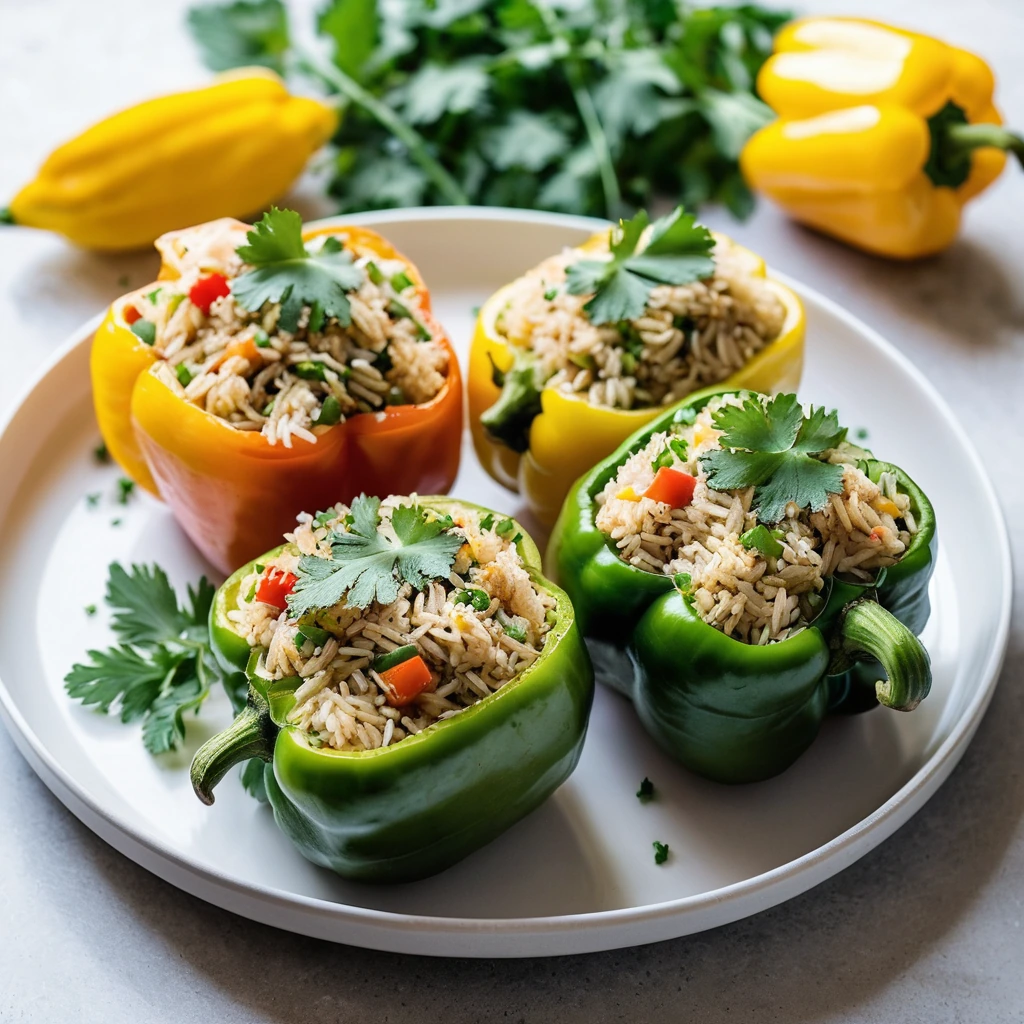
Lemon Garlic Chicken and Rice Stuffed Peppers
Bright and tangy lemon garlic chicken nestled in fluffy rice, all wrapped up in juicy bell peppers for a zesty comfort meal.