Pasta: Mixing and Kneading Fresh Egg Pasta Dough
Creating fresh egg pasta dough from scratch is an art that transforms simple ingredients into a luxurious culinary experience. The process begins with understanding the role of each component: flour provides structure, eggs add richness and color, and a touch of water brings it all together. Mixing and kneading are crucial steps that develop gluten, giving the pasta its elasticity and chew. Achieving the right consistency requires attention to detail and patience. Overworking the dough can lead to toughness, while underworking results in a crumbly texture. This guide will walk you through the intricacies of mixing and kneading to ensure your pasta dough is silky, smooth, and ready to be rolled into delectable shapes. We'll delve into the science of gluten development, how to troubleshoot common issues, and tips for storing your dough until you're ready to shape and cook it.
Notes
The gluten network in pasta dough develops through kneading, which aligns the proteins in the flour to create elasticity. Be cautious not to over-knead, as this can lead to a tough texture. If the dough feels dry and crumbly, it likely needs a bit more water; conversely, if it's sticky, incorporate more flour. Ensure your work surface and hands are lightly floured to prevent sticking. Fresh pasta dough can be made ahead and stored in the refrigerator for up to 2 days, wrapped tightly to prevent drying out. For longer storage, consider freezing the dough for up to a month, ensuring it is well-wrapped to prevent freezer burn.
Steps
- 1 Make a well in 2 cups all-purpose flour on a clean surface.
- 2 Crack 2 large eggs into the well.
- 3 Add a pinch of salt to the eggs.
- 4 Gradually whisk the eggs, incorporating flour from the edges.
- 5 Once a shaggy dough forms, use your hands to bring it together.
- 6 Knead the dough on a floured surface for 8-10 minutes until smooth.
- 7 Test the dough's readiness by pressing with a finger; it should spring back.
- 8 If the dough is too dry, add water 1/2 teaspoon at a time.
- 9 If the dough is too sticky, add flour 1 tablespoon at a time.
- 10 Form the dough into a ball.
- 11 Wrap the dough tightly in plastic wrap.
- 12 Let the dough rest at room temperature for 30 minutes.
- 13 After resting, gently knead once more before rolling.
- 14 Cut the dough into desired portions for rolling out.
Ingredients to explore
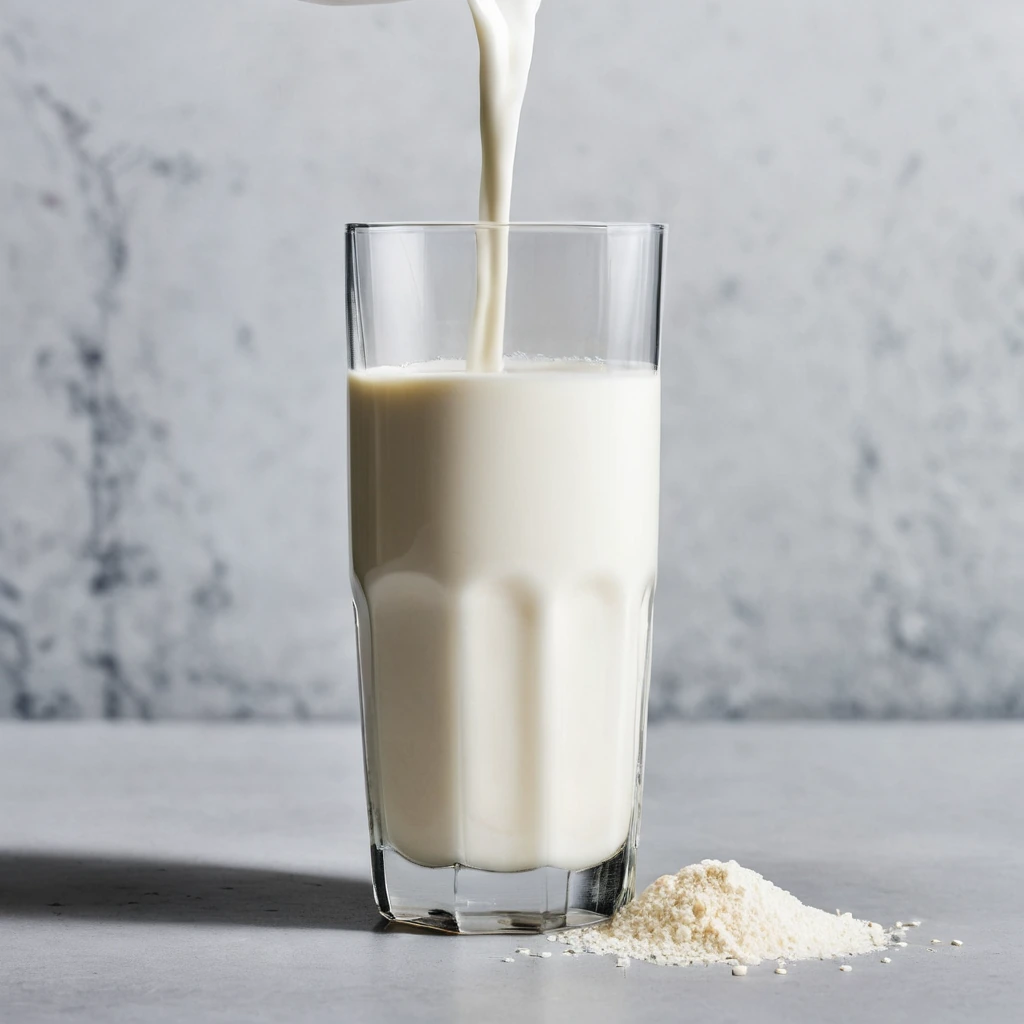
2% Milk
Creamy and just a touch lighter than whole milk, 2% milk offers a perfect balance of richness and reduced fat. Its smooth texture and subtle sweetness make it a delightful choice for sipping or cooking.
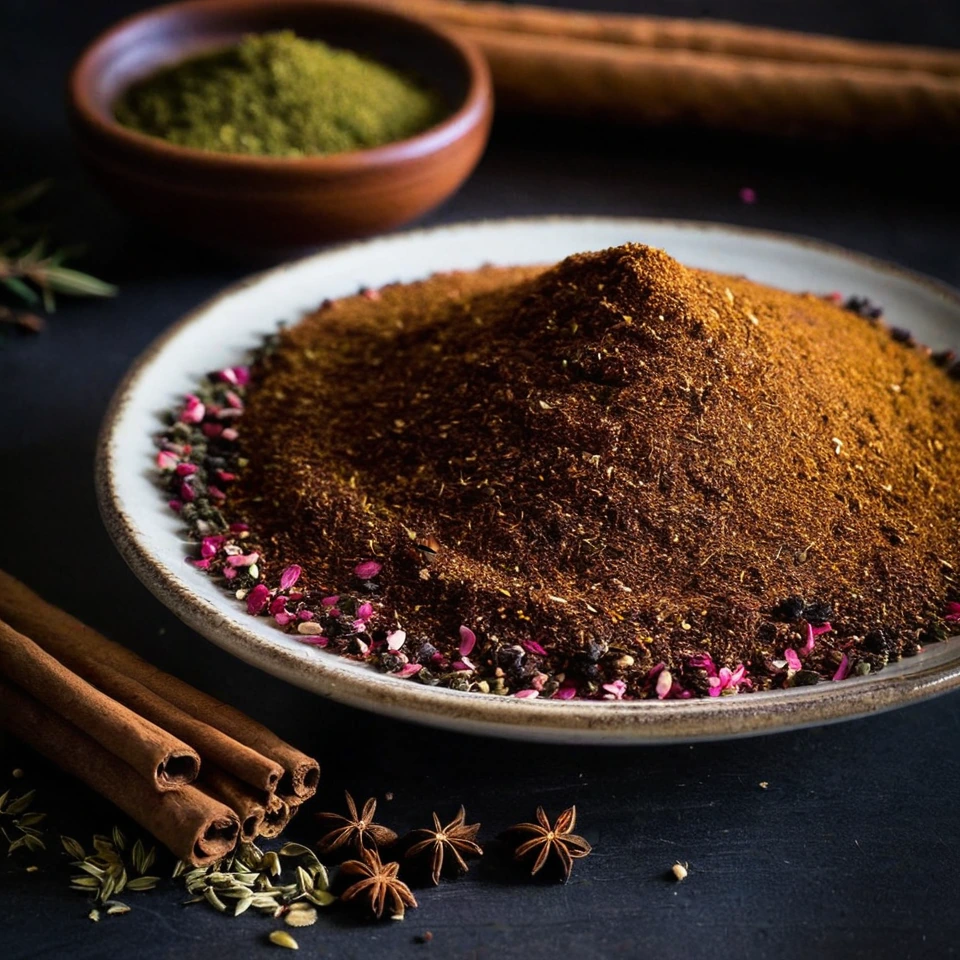
Advieh (Persian Spice Blend)
Advieh is a fragrant Persian spice blend that boasts a complex aroma of warm cinnamon, earthy cumin, and floral hints of rose and saffron. Its texture is finely ground, making it easy to incorporate into dishes. Originating from the rich culinary traditions of Iran, advieh adds depth and sophistication to both savory and sweet recipes. Its unique combination of spices reflects the historical spice trade routes that influenced Persian cuisine.
Recipes to try
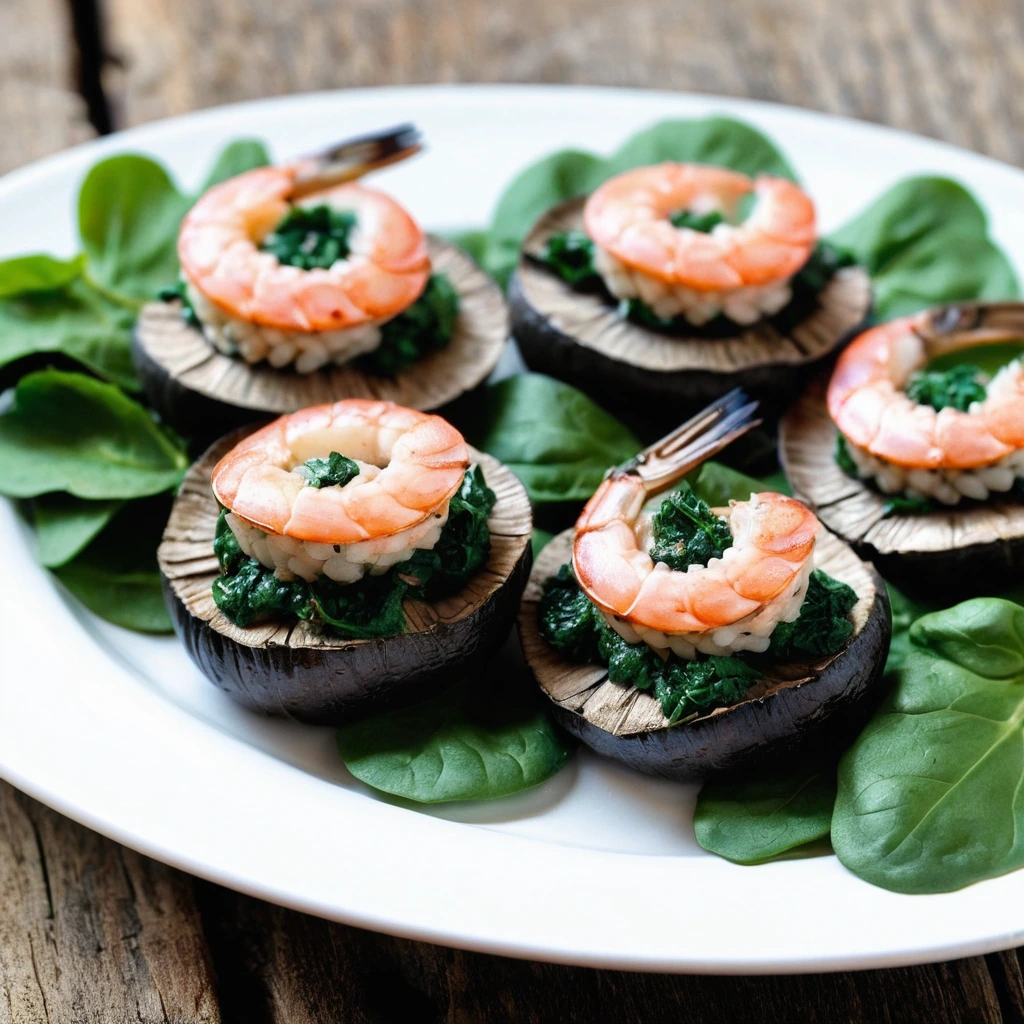
Shrimp and Spinach Stuffed Portobellos
Tender shrimp mingles with sautéed spinach in a savory filling, nestled inside roasted portobello mushrooms for a satisfying vegetarian-friendly main.
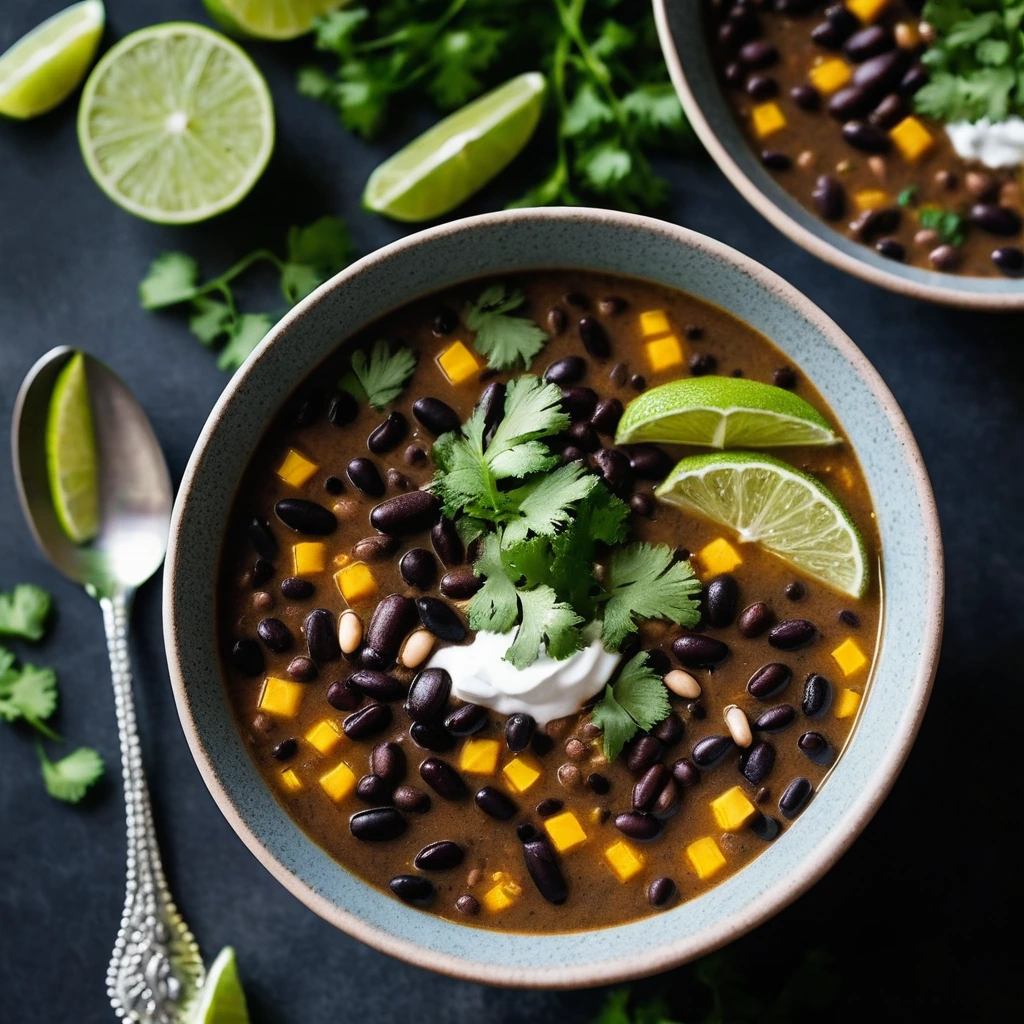
Smoky Black Bean and Corn Soup with Lime
This soup is a tangy, smoky hug in a bowl, with the fresh zing of lime cutting through rich black beans and sweet corn.