Moist Heat: Double-Boiler Technique for Delicate Heating
The double-boiler technique is a gentle and reliable method for heating ingredients that are sensitive to direct heat or prone to scorching. This method involves placing a heatproof bowl over a pot of simmering water, creating a controlled environment for delicate tasks like melting chocolate, making custards, or preparing delicate sauces. The steam from the simmering water provides consistent, indirect heat that prevents ingredients from overheating. Understanding the nuances of this technique ensures that your culinary creations are smooth, silky, and perfectly tempered. Whether you're a novice or a seasoned cook, mastering the double boiler can elevate your cooking to new heights. It's a technique that balances precision with simplicity, allowing you to work with temperamental ingredients without fear. In this guide, we'll explore the setup, execution, and tips for success with the double boiler, ensuring that you can confidently tackle any recipe that requires delicate heating.
Notes
The double-boiler technique works by creating a buffer between direct heat and your ingredients, preventing them from seizing or scorching. The indirect heat allows for gradual and even warming, ideal for items like chocolate, which can easily burn. A common mistake is allowing water to touch the bottom of the bowl, which can cause a mess or ruin your ingredients. Always ensure the bowl is stable and doesn't wobble. If you're working with chocolate, avoid introducing any moisture, as this can cause it to seize. For storage, let your mixture cool completely before covering and refrigerating if necessary. If you're making something like a custard, use it immediately for the best texture. Safety-wise, be cautious of steam and hot water when handling the setup.
Steps
- 1 Fill a medium saucepan with 2 inches of water.
- 2 Place the saucepan over medium heat and bring the water to a gentle simmer.
- 3 Select a heatproof bowl that fits snugly over the saucepan without touching the water.
- 4 Add your delicate ingredient to the bowl—think chocolate, butter, or eggs.
- 5 Stir the ingredients gently and continuously with a spatula or whisk.
- 6 Maintain a consistent, gentle simmer below the bowl.
- 7 Monitor the temperature of your ingredients with a thermometer if precision is required.
- 8 Remove the bowl from the saucepan once the ingredients reach the desired consistency or temperature.
- 9 Transfer the heated mixture to another container for cooling or further use.
- 10 Wipe the bottom of the bowl dry to prevent condensation from affecting your final product.
- 11 Turn off the heat and carefully remove the saucepan from the stove.
- 12 Clean both the saucepan and bowl promptly to avoid any residue buildup.
Ingredients to explore
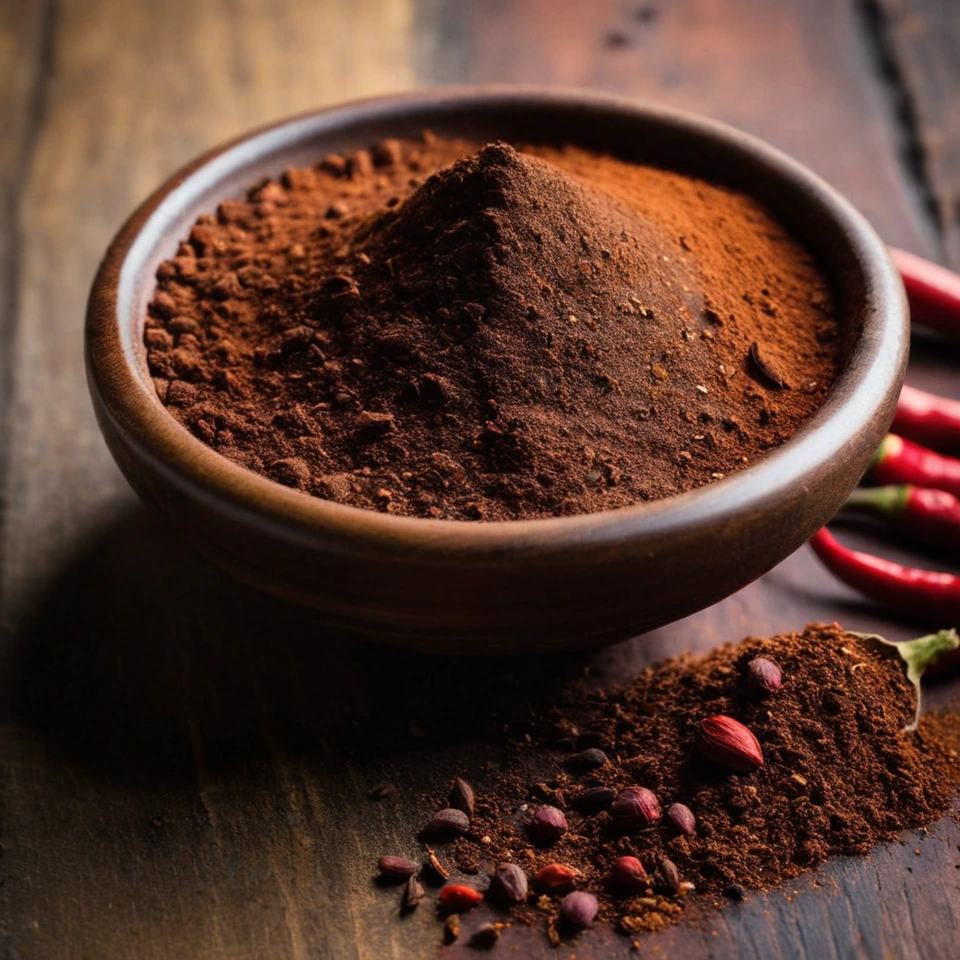
Ancho Chili Powder
Ancho chili powder offers a deep, smoky sweetness with hints of dried fruit and cocoa, reminiscent of its origin as dried poblano peppers from Mexico. Its aroma is warm and inviting, with a mild heat that lingers gently. The texture is fine and velvety, making it easy to incorporate into a variety of dishes. This powder is prized for its ability to add complexity without overwhelming spice, ideal for enriching both traditional Mexican moles and contemporary global cuisines.
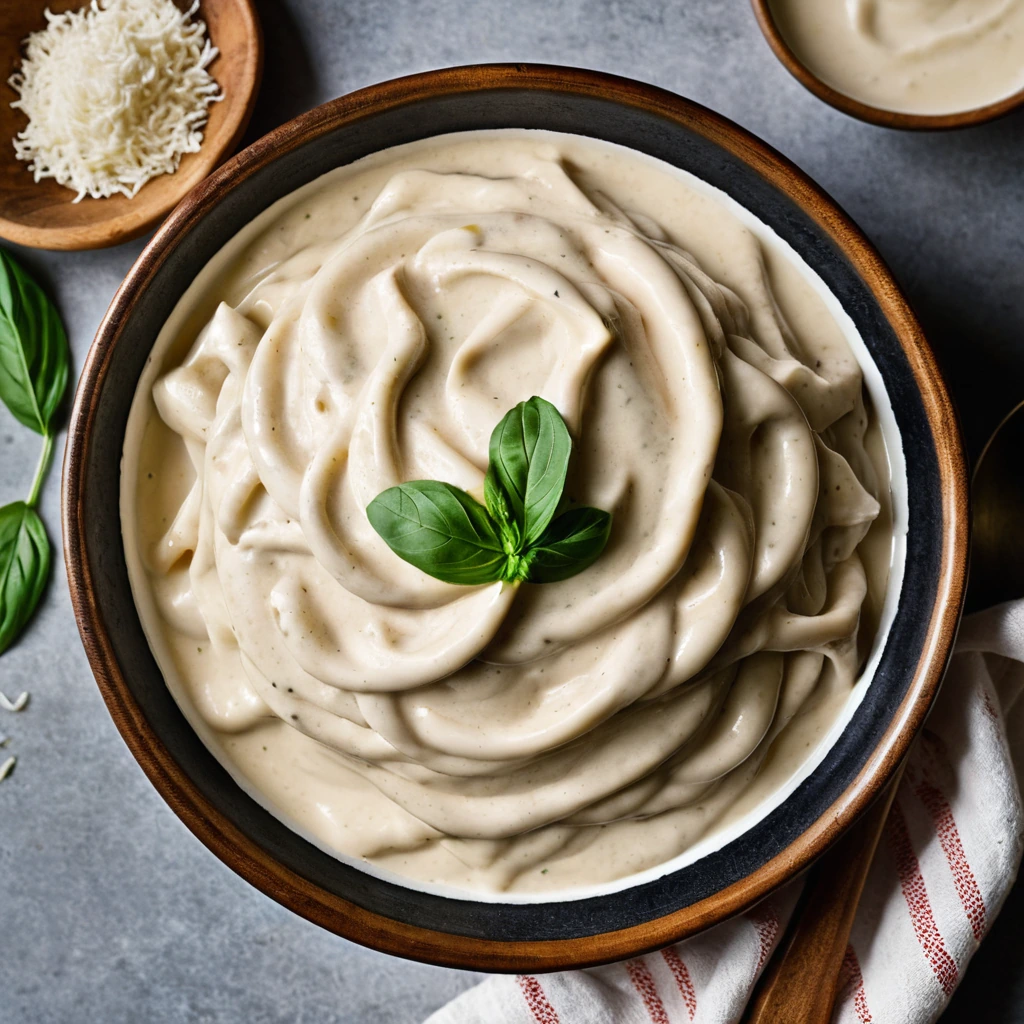
Alfredo Sauce
Creamy, rich, and utterly indulgent, Alfredo sauce is a dreamy blend of butter, heavy cream, and Parmesan cheese. Its velvety texture and savory depth make it a beloved staple in Italian-American cuisine.
Recipes to try
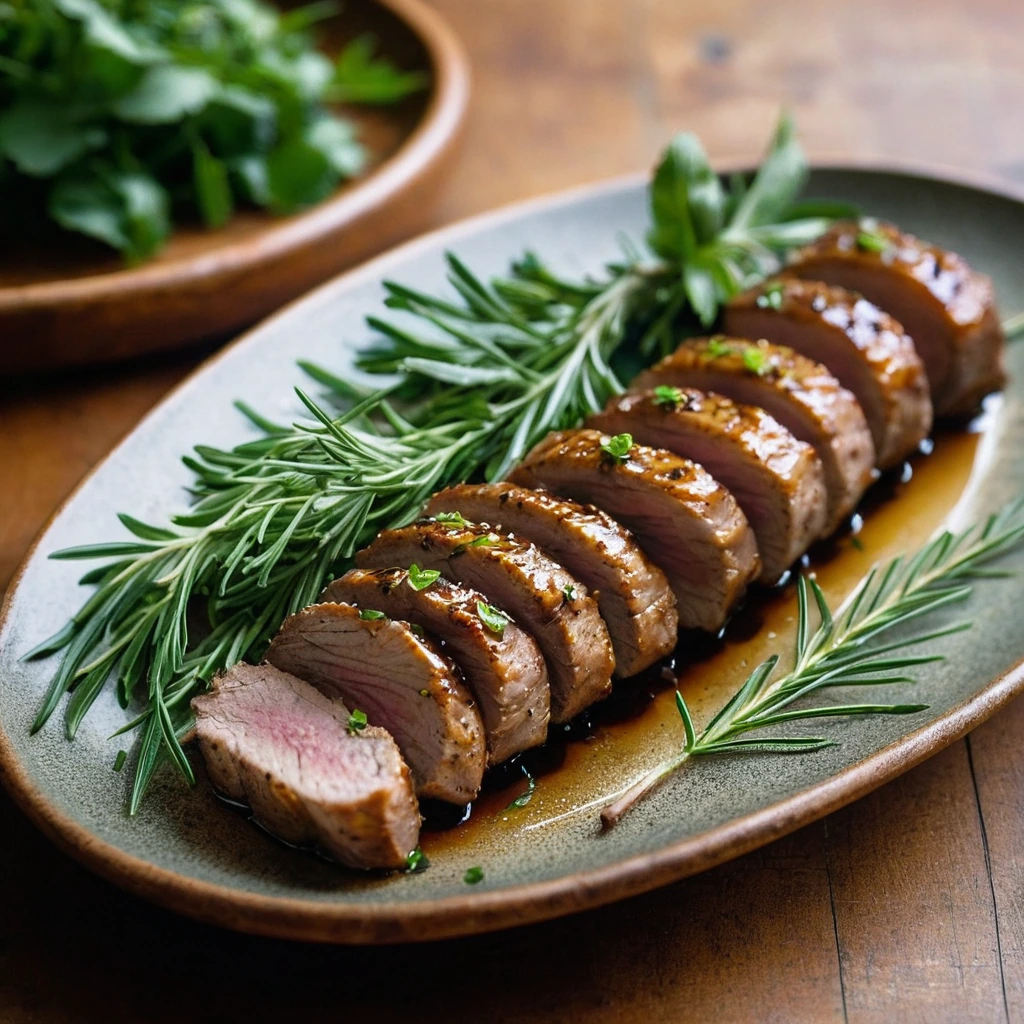
Pork Tenderloin with Garlic Honey Glaze
Succulent pork tenderloin kissed with a sweet, sticky glaze of garlic and honey for a flavor punch that'll have everyone coming back for seconds.
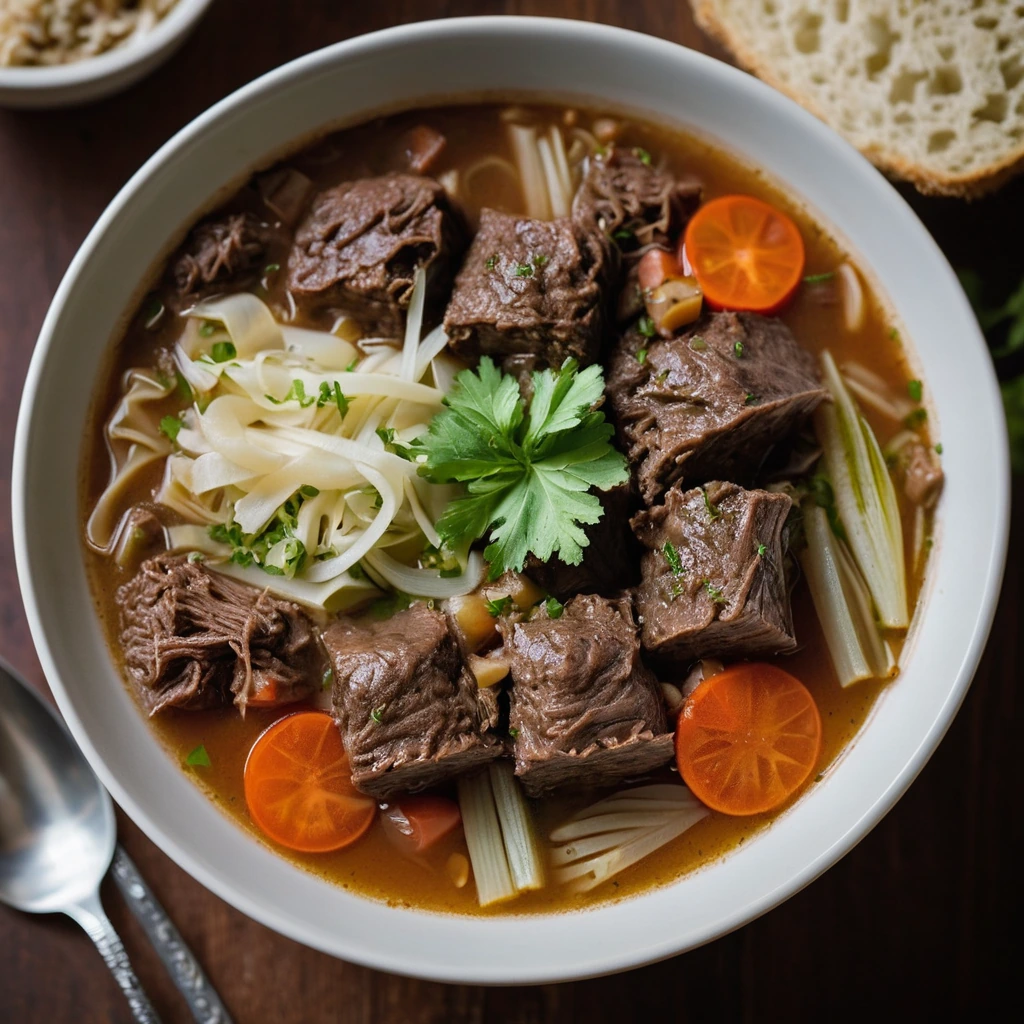
Stuffed Cabbage Roll Inspired Beef Soup
Warm up with this hearty soup that nods to classic stuffed cabbage rolls, brimming with tender beef and savory broth.