Meat Technique: Slow Roasting Tough Cuts Until Tender
Slow roasting is a transformative cooking technique that turns tough, budget-friendly cuts of meat into succulent, fall-apart delights. The key to this method lies in patience and low, consistent heat. By cooking meat slowly, typically between 225°F and 325°F, the collagen in the muscle fibers breaks down into gelatin, resulting in a melt-in-your-mouth texture. This technique is ideal for cuts like brisket, chuck roast, or pork shoulder, which benefit immensely from prolonged cooking times. The slow roasting process not only tenderizes the meat but also allows flavors to develop deeply, whether through the use of a flavorful rub, marinade, or aromatic vegetables and herbs in the roasting pan. Understanding how to slow roast meat properly can elevate your home cooking, turning simple ingredients into a hearty, comforting meal that feels like it came straight from a high-end restaurant. In this guide, we'll dive into the specifics of selecting the right cut, preparing it for the oven, and mastering the roasting process to achieve perfect results every time.
Notes
The science behind slow roasting lies in the gradual breakdown of collagen into gelatin, which occurs at lower temperatures over extended periods. This process not only tenderizes the meat but also enhances its flavor. Common mistakes include rushing the cooking time or setting the oven temperature too high, which can lead to dry, tough meat. To avoid this, invest in a reliable meat thermometer and aim for an internal temperature of 195°F to 205°F for most tough cuts. Safety is key: always ensure meat reaches a safe internal temperature to kill any potential bacteria. For make-ahead convenience, slow-roasted meat can be stored in the refrigerator for up to 4 days or frozen for up to 3 months. Reheat gently to preserve its texture.
Steps
- 1 Preheat oven to 275°F.
- 2 Season the meat generously with salt, pepper, and your choice of spices or rub.
- 3 Heat a large oven-safe skillet over medium-high heat and sear the meat on all sides until browned.
- 4 Remove the meat and set aside.
- 5 Add chopped vegetables like onions, carrots, and garlic to the skillet, sautéing until softened.
- 6 Deglaze the skillet with a cup of broth or wine, scraping up any browned bits.
- 7 Place the meat back into the skillet, nestled among the vegetables.
- 8 Cover the skillet with a lid or aluminum foil.
- 9 Transfer the skillet to the preheated oven and roast for 3 to 4 hours, or until the meat is fork-tender.
- 10 Check the meat periodically to ensure even cooking and add more liquid if necessary.
- 11 Once tender, remove the skillet from the oven and let the meat rest for 20 minutes before serving.
- 12 Skim fat from the surface of the cooking liquid and reserve for gravy if desired.
- 13 Slice or shred the meat against the grain and serve with the reserved vegetables and gravy.
Ingredients to explore
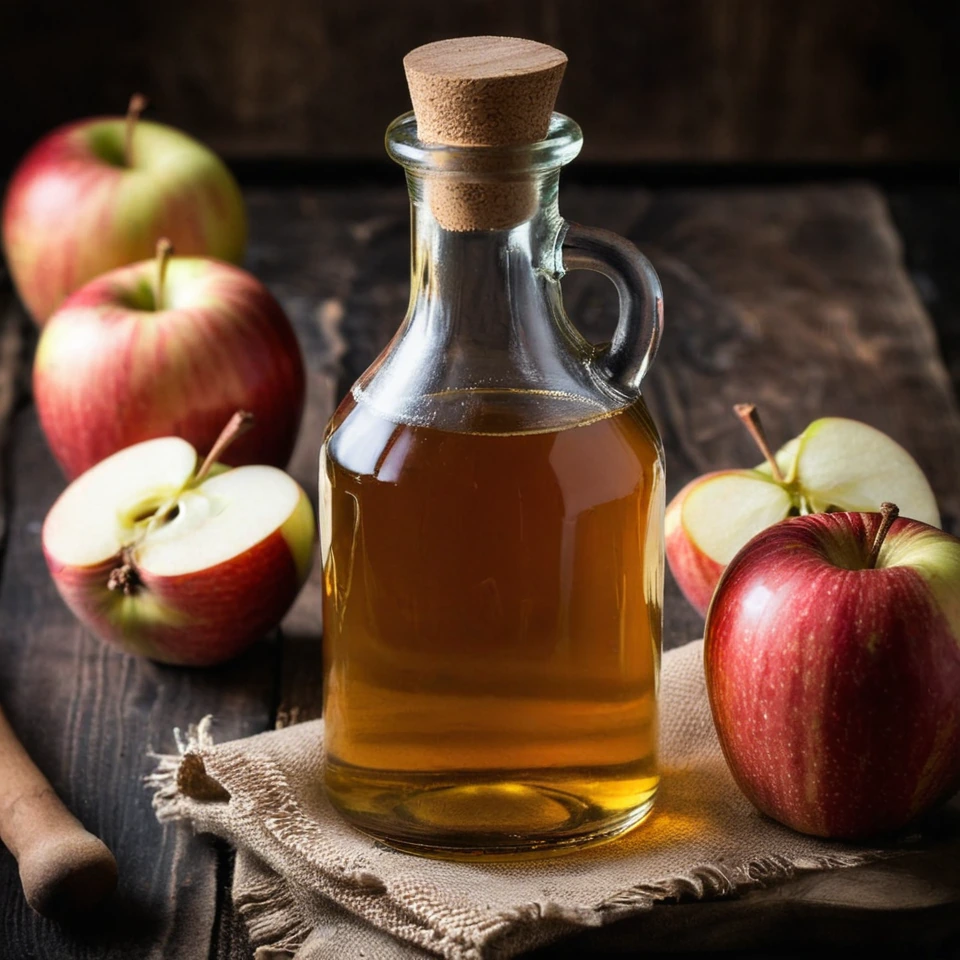
Apple Cider Vinegar
Apple cider vinegar is a type of vinegar made through the fermentation of apple cider, resulting in a tangy, slightly sweet liquid with a pale to medium amber color.
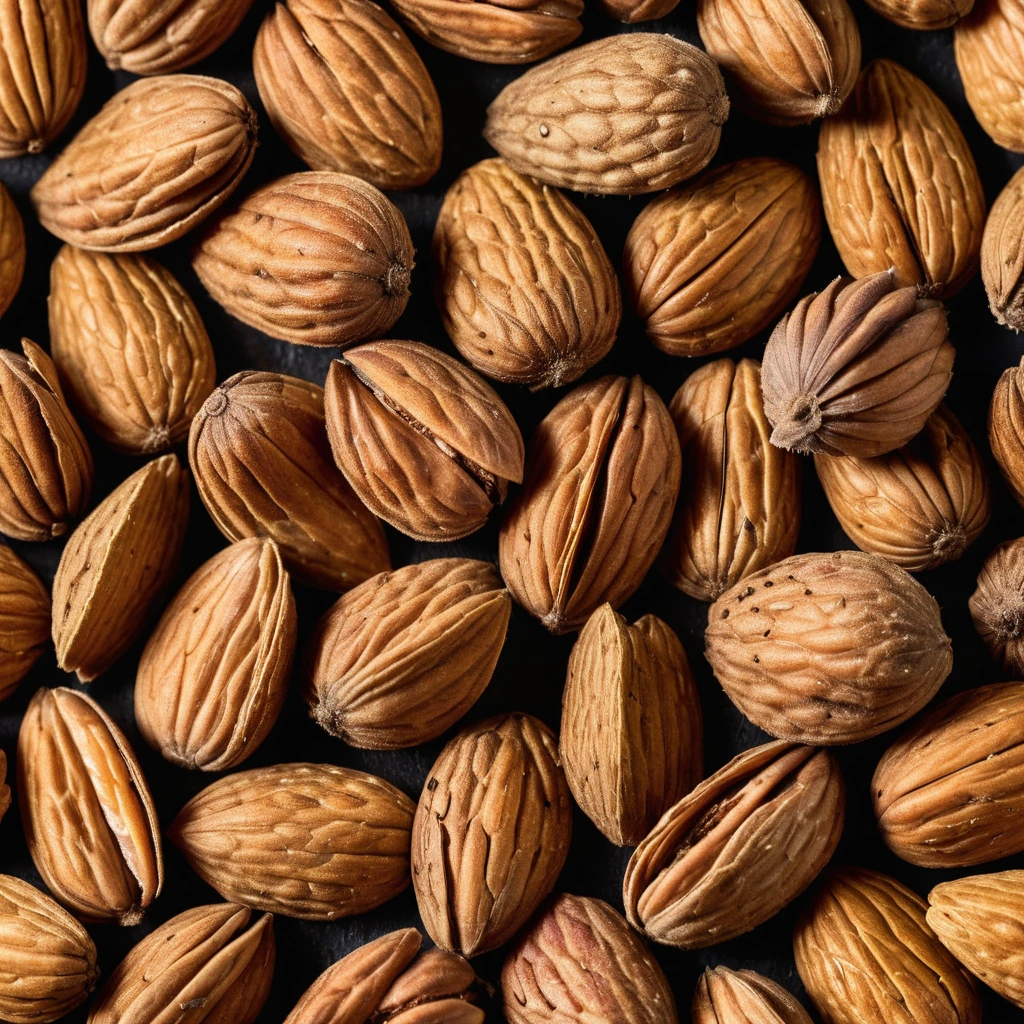
Almonds
With their golden-brown hue and delicate, edible skin, almonds are a crunchy delight. These versatile nuts boast a rich, buttery flavor that adds depth to both sweet and savory dishes.
Recipes to try
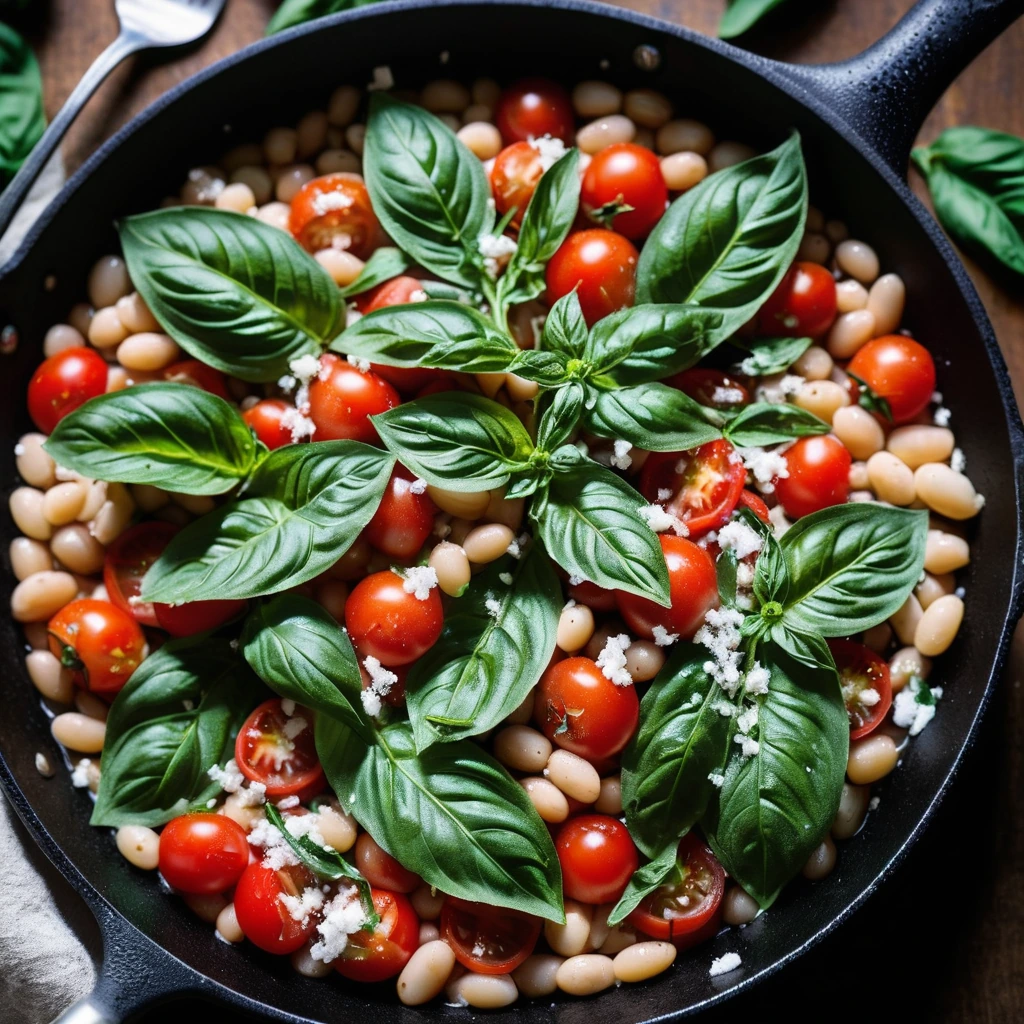
Tomato Basil White Bean Skillet with Parmesan
A comforting skillet packed with creamy white beans, ripe tomatoes, and fragrant basil, all topped with a generous sprinkle of Parmesan.
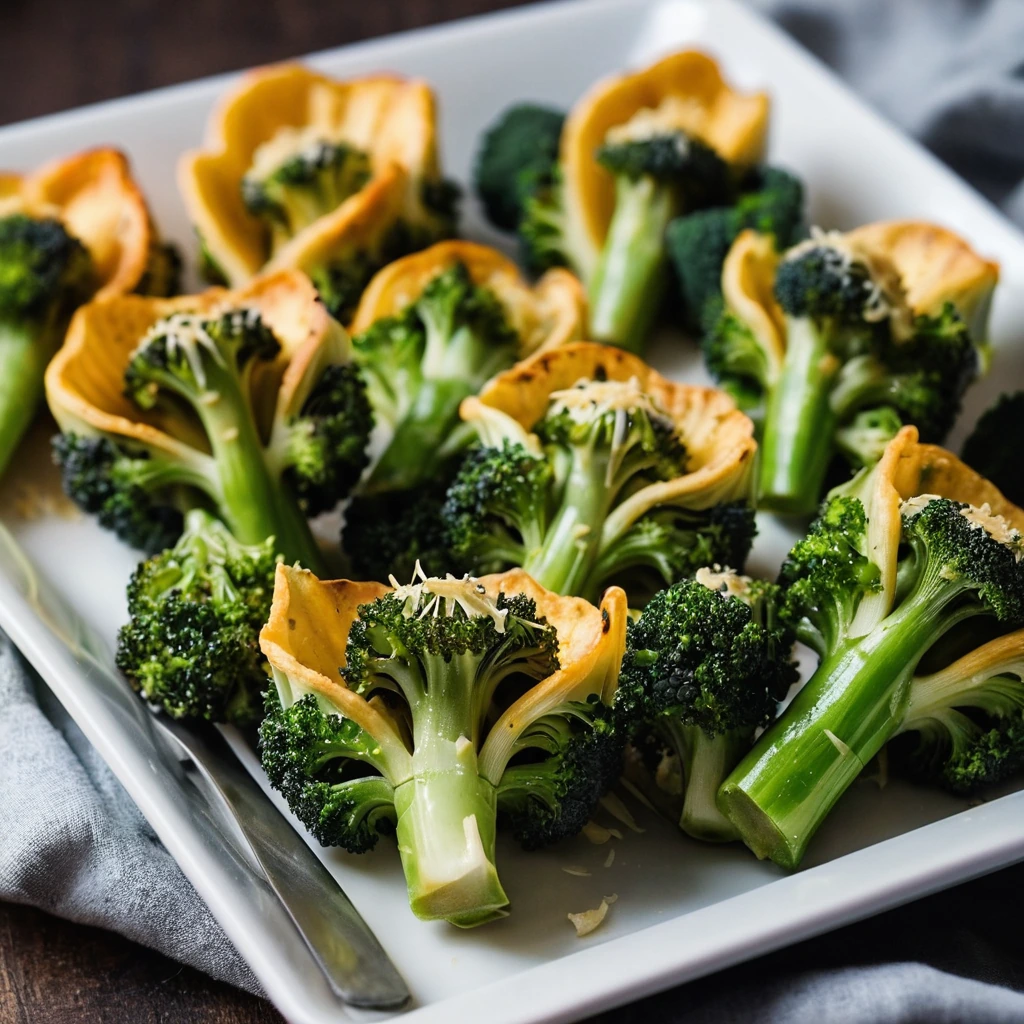
Roasted Broccoli and Cheddar Stuffed Shells
Creamy cheddar cheese and roasted broccoli unite in tender pasta shells for a veggie-packed, cheesy masterpiece.