Legumes: Making Creamy Bean Puree for Spreads
Creating a creamy bean puree is an art that transforms humble legumes into a luxurious spread, perfect for sandwiches, crackers, or as a dip. The secret lies in understanding the texture and flavor potential of beans. Start with dried beans for the best results, as canned beans often contain additives that hinder smoothness. Soak your beans properly to ensure even cooking and a tender texture. Cooking them low and slow helps break down their cell walls, releasing starches that contribute to a creamy consistency. Seasoning is key, as bland beans make for a dull spread. Roasting garlic or adding a splash of acidity like lemon juice can elevate the flavor profile. Once pureed, a silky bean spread becomes a versatile canvas for herbs, spices, and other ingredients. Achieving the perfect consistency requires patience and attention to detail. Too much liquid and you risk a watery spread; too little and it becomes paste-like. Experiment with adding olive oil or nutritional yeast for richness and depth. This technique isn’t just about blending beans; it’s about understanding how to coax out their natural creaminess and flavor. With practice, you’ll be whipping up velvety bean purees that rival any store-bought version. Whether you're aiming for a simple hummus or an adventurous white bean truffle dip, mastering this technique will have you covered.
Notes
The science behind creamy bean puree lies in breaking down the cell walls of beans, releasing starches that act as natural thickeners. Proper soaking and cooking are vital to achieving this. A common mistake is not cooking beans long enough, resulting in a gritty texture. To avoid this, ensure they're fork-tender before pureeing. For storage, keep the puree refrigerated for up to 5 days in an airtight container. If you plan to freeze, lay a parchment paper directly on the surface to prevent a skin from forming. When reheating, add a splash of water or oil to restore creaminess. Always use clean equipment to avoid contamination and foodborne illness.
Steps
- 1 Rinse 1 pound of dried beans thoroughly under cold water.
- 2 Soak beans in ample water for 8 hours or overnight; drain and rinse.
- 3 Place beans in a large pot and cover with fresh water by 2 inches.
- 4 Bring beans to a boil, then reduce heat to maintain a gentle simmer.
- 5 Cook beans for 1.5 to 2 hours, or until tender and easily mashed.
- 6 Reserve 1 cup of cooking liquid before draining beans.
- 7 Combine beans, roasted garlic, lemon juice, salt, and pepper in a food processor.
- 8 Pulse until smooth, adding reserved cooking liquid 2 tablespoons at a time to reach desired consistency.
- 9 Taste and adjust seasoning, adding more lemon juice or salt if necessary.
- 10 Transfer puree to a bowl and fold in 2 tablespoons olive oil for added richness.
- 11 Customize with herbs, spices, or other ingredients as desired.
- 12 Check consistency; if too thick, blend in more cooking liquid.
Ingredients to explore

Anaheim Peppers
Anaheim peppers are a mild chili pepper variety named after Anaheim, California, where they were first cultivated commercially. Originating from the New Mexico region, these peppers are celebrated for their versatility and gentle heat. They possess a flavor that is mildly sweet with a subtle tang, and a pleasant vegetal note reminiscent of green bell peppers, but with a hint of spice. Their texture is firm and crisp when fresh, becoming tender and slightly smoky when roasted or cooked. In cooking, Anaheim peppers behave well across a range of techniques, from grilling and roasting to stuffing and sautéing, contributing a nuanced depth without overwhelming other ingredients with heat.
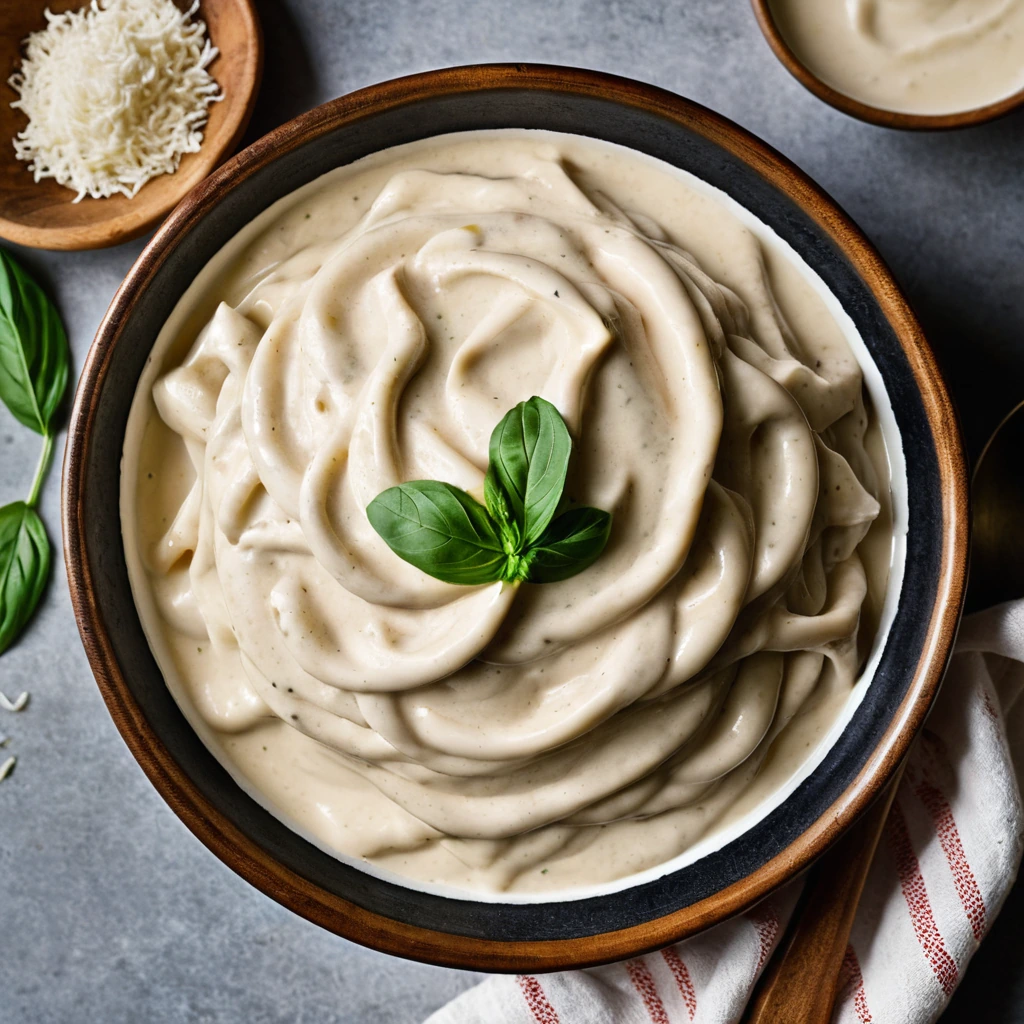
Alfredo Sauce
Creamy, rich, and utterly indulgent, Alfredo sauce is a dreamy blend of butter, heavy cream, and Parmesan cheese. Its velvety texture and savory depth make it a beloved staple in Italian-American cuisine.