Legumes: Cooking Black Beans from Dry
Cooking black beans from dry is a rewarding culinary journey that yields rich, creamy beans packed with flavor. Unlike canned beans, dry beans offer a fresher taste and a satisfying texture that can elevate soups, stews, and even salads. This technique demystifies the process, ensuring you achieve perfectly cooked beans every time. The key to success lies in understanding the beans' behavior during hydration and cooking, which allows you to control the outcome. Start by selecting high-quality, uniform beans for even cooking. Sorting and rinsing are crucial steps to remove debris and dust. Soaking is a debated topic, but it offers benefits like reduced cooking time and improved digestibility. Cooking methods vary, but a gentle simmer is often the safest bet to avoid splitting the beans. Seasoning is an art; salt can toughen beans if added too early, so timing is everything. Finally, mastering the texture is essential—beans should be tender yet hold their shape. Let’s dive into the detailed steps to achieve this legume magic in your own kitchen.
Notes
The science behind cooking black beans lies in their cellular structure and the breakdown of complex carbohydrates and proteins during soaking and simmering. Soaking helps rehydrate beans and kickstarts this breakdown, reducing cooking time and improving digestibility. A common mistake is adding salt too early, which can inhibit proper softening. For safety, always ensure beans reach a full boil before simmering to kill potential bacteria. Cooked beans can be stored in the refrigerator for up to 5 days or frozen for up to 3 months. To freeze, let them cool completely before transferring to airtight containers or freezer bags.
Steps
- 1 Inspect 1 pound of black beans and remove any debris or discolored beans.
- 2 Rinse beans thoroughly under cold water.
- 3 Soak beans in a large bowl with 3 cups of water for 8 hours or overnight.
- 4 Drain and rinse the soaked beans.
- 5 Transfer beans to a large pot and cover with 8 cups of fresh water.
- 6 Bring to a boil, then reduce heat to maintain a gentle simmer.
- 7 Skim off any foam that rises to the surface during the first few minutes.
- 8 Simmer uncovered for 1.5 to 2 hours, checking occasionally.
- 9 After 1 hour, add aromatics like garlic, onion, and bay leaves for flavor.
- 10 Test beans for doneness after 1.5 hours; they should be tender but not mushy.
- 11 Adjust seasoning with salt towards the end of cooking to prevent toughening.
- 12 If beans are not tender, continue simmering and check every 15 minutes.
- 13 Once cooked, drain excess liquid, reserving some for recipes requiring bean cooking liquid.
Ingredients to explore
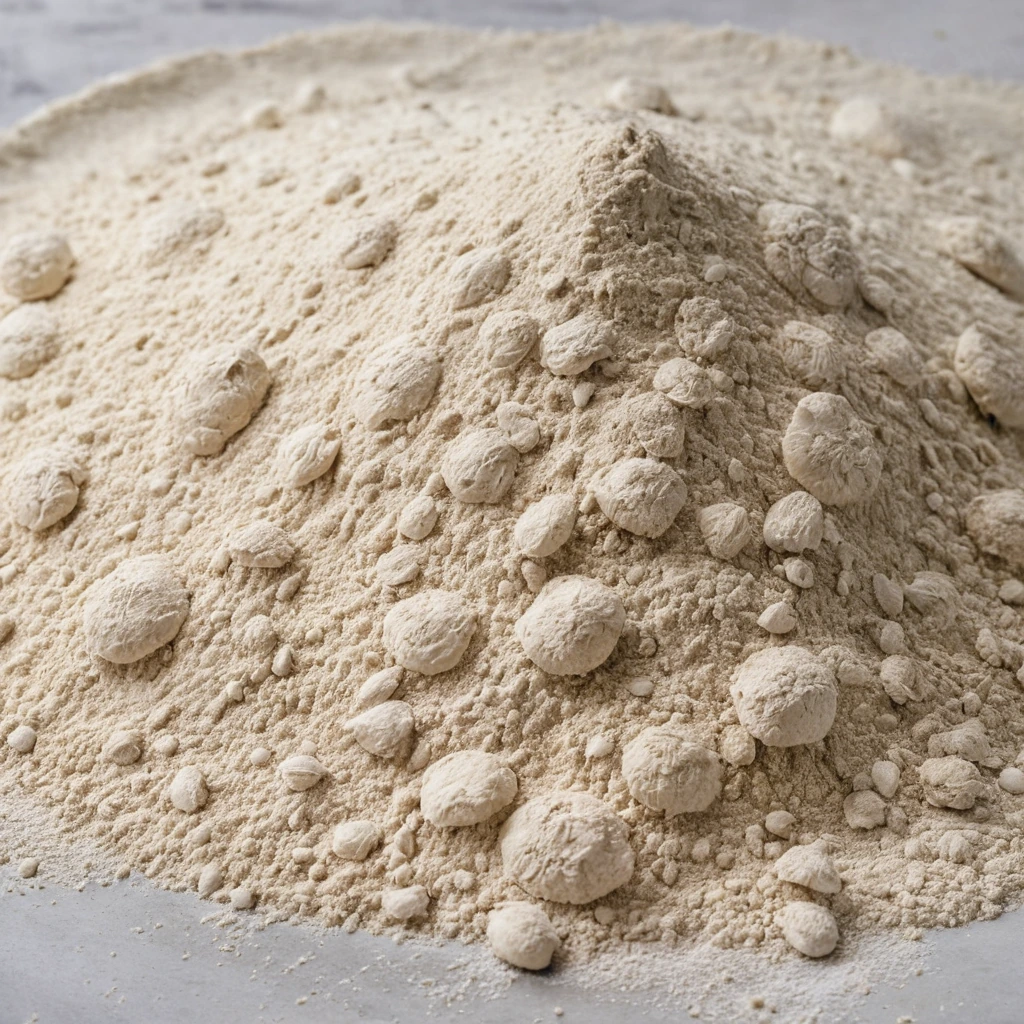
00 Pizza Flour
00 pizza flour is a finely milled Italian flour prized for its versatility in creating authentic Neapolitan-style pizza crusts. Originating from Italy, it is milled to a very fine consistency, which is reflected in its name, 'doppio zero,' indicating its fine grind. This flour has a balanced flavor profile, offering a mild, slightly sweet taste with a subtle nuttiness. Its texture is silky and smooth, contributing to a tender yet chewy crust when used in pizza making. In cooking, 00 pizza flour is known for its ability to hydrate quickly and develop a desirable gluten structure, resulting in a light and airy crust that can withstand high-heat cooking without becoming overly crispy or hard.
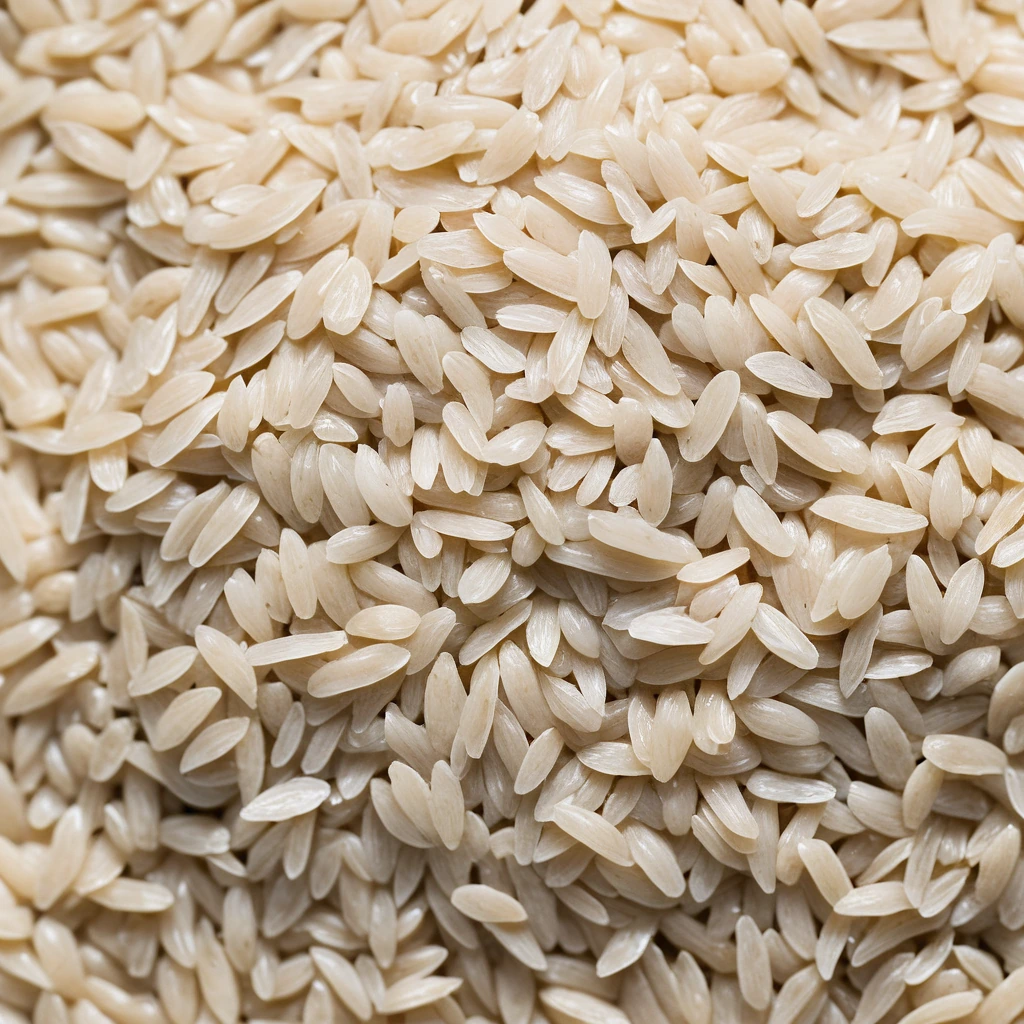
Arborio Rice
Arborio rice is a short-grain Italian rice variety renowned for its use in risotto. Originating from the Po Valley in Northern Italy, it is a staple in Italian cuisine. Its flavor is mild and nutty, with a pleasant creamy texture when cooked due to its high amylopectin content, which releases starch and creates a velvety consistency. The grains remain plump and firm to the bite, offering a satisfying chewiness. In cooking, Arborio rice excels at absorbing flavors from broths and seasonings while maintaining its shape, making it ideal for dishes that require both creaminess and structure.