Legumes & Beans: Cooking Lentils to Hold Their Shape
Cooking lentils perfectly can seem like a culinary tightrope act, but with the right approach, you can achieve tender lentils that maintain their integrity. Lentils are a pantry staple, offering protein, fiber, and a satisfying bite. Whether you're preparing a hearty soup, a vibrant salad, or a comforting dal, mastering the art of cooking lentils is essential. The key lies in understanding the unique characteristics of each lentil variety—green, brown, red, or black—and adjusting the cooking method accordingly. Proper preparation starts with sorting and rinsing to remove debris and any impurities. Adequate hydration and controlled cooking times prevent lentils from disintegrating into a mushy mess. Seasoning and acidity levels also play a role in texture, as too much salt or acid early in the process can break down the lentils. By following precise steps, you can enjoy lentils that are both tender and intact, elevating your dishes with their delightful texture and nutty flavor.
Notes
The science behind perfectly cooked lentils lies in their structure. Lentils contain pectin, which can break down and cause them to become mushy if overcooked or salted too early. To avoid this, introduce salt and acids after the lentils are mostly cooked. Common mistakes include overcrowding the pan, which can lead to uneven cooking, and not checking for doneness early enough. For safety, always ensure lentils reach an internal temperature of 165°F to kill any potential bacteria. To make ahead, store cooked lentils in an airtight container in the fridge for up to 5 days or freeze for up to 3 months. Reheat gently to maintain their shape.
Steps
- 1 Sort through 1 cup of lentils to remove any debris or stones.
- 2 Rinse lentils under cold water until the water runs clear.
- 3 Place lentils in a medium saucepan with 2 1/2 cups of water or broth.
- 4 Add a pinch of salt to the water—do not over-salt at this stage.
- 5 Bring the liquid to a boil over medium-high heat.
- 6 Once boiling, reduce the heat to a gentle simmer.
- 7 Simmer uncovered for 15-20 minutes, checking occasionally.
- 8 Taste a lentil after 15 minutes to check for doneness—it should be tender but firm.
- 9 If the lentils are cooking too quickly, add a bit more water to prevent mushiness.
- 10 Avoid stirring too vigorously to prevent lentils from breaking apart.
- 11 Once lentils are cooked, drain off any excess liquid.
- 12 Let the lentils rest for 5 minutes, covered, to absorb any remaining moisture.
- 13 Adjust seasoning with additional salt and a splash of acid like lemon juice or vinegar at the end.
- 14 Fluff lentils gently with a fork before serving.
Ingredients to explore
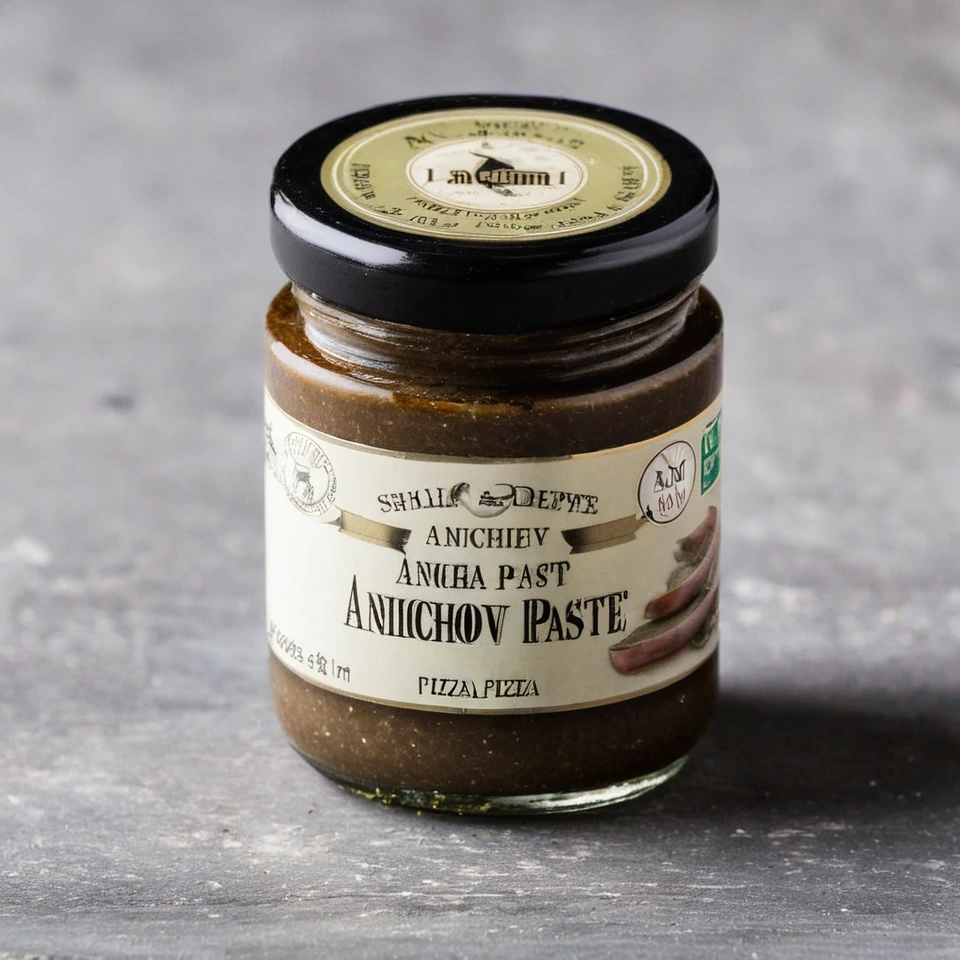
Anchovy Paste
Anchovy paste is a rich, salty spread made from finely ground anchovies, salt, and sometimes olive oil. It offers a deep umami flavor that enhances a variety of dishes.

Andouille Sausage
Andouille sausage is a coarse-grained, smoked pork sausage with a rich history rooted in French cuisine, particularly from the Alsace region. It was adapted in Louisiana, where it became a staple in Cajun and Creole cooking. The sausage is known for its robust, smoky flavor with hints of garlic, pepper, and other spices, creating a spicy and savory profile. Its texture is firm yet slightly chewy, making it a hearty addition to dishes. When cooked, andouille sausage maintains its shape well and infuses dishes with its distinctive smoky essence, enhancing stews, soups, and rice dishes.
Recipes to try

Smoky BBQ Ground Beef and Cornbread Skillet
Imagine the rich smokiness of BBQ sauce mingling with tender ground beef atop golden, crumbly cornbread in a skillet.
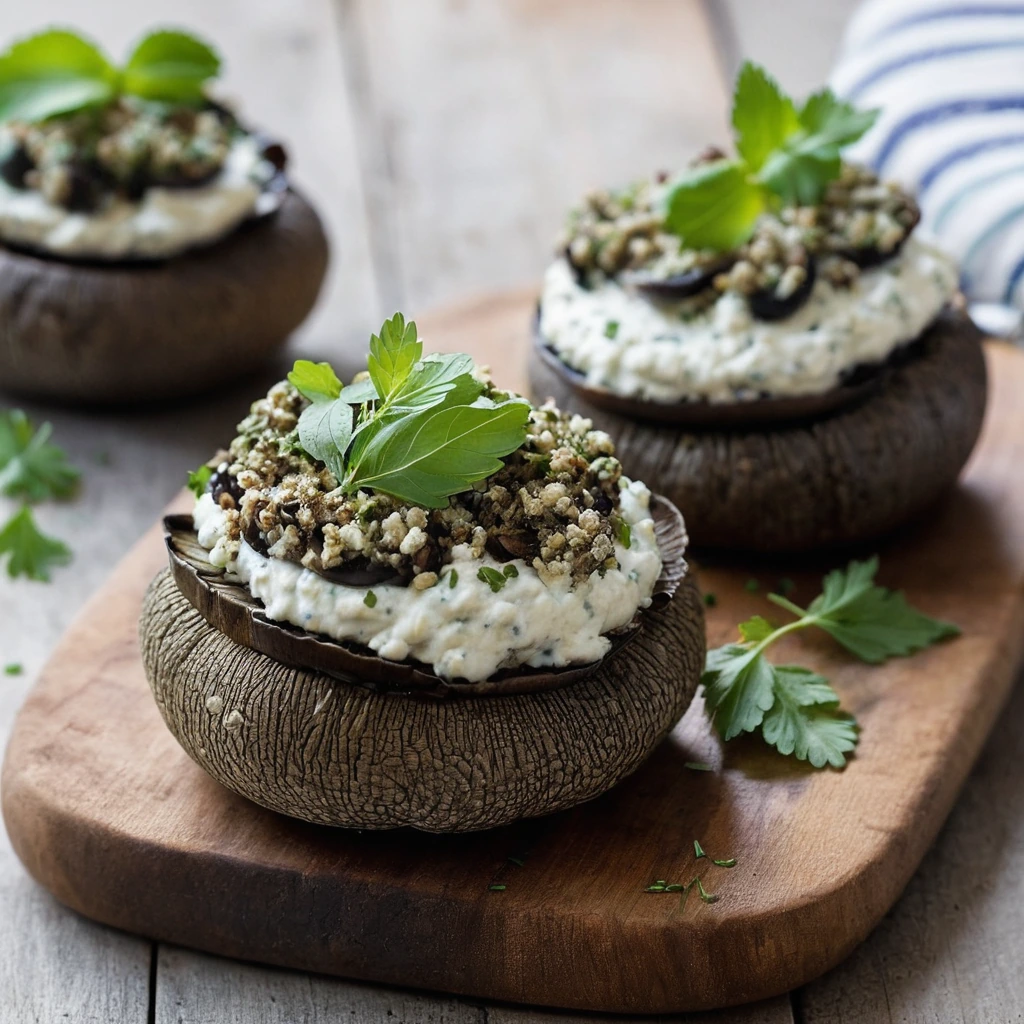
Stuffed Portobello Mushrooms with Herbed Ricotta
These earthy portobello mushrooms are stuffed with a creamy, herbed ricotta mixture, offering a satisfying vegetarian delight that's both elegant and easy.