Knife Skills: Segmenting and Cubing Melons
Mastering the art of segmenting and cubing melons can elevate your culinary game, bringing a professional touch to your fruit presentations and dishes. Whether you're preparing a refreshing fruit salad or garnishing a summer drink, these techniques are essential. Segmenting melons involves removing the individual fruit sections from the rind and membrane, while cubing focuses on creating uniform, bite-sized pieces. Understanding the structure of melons like cantaloupe, honeydew, and watermelon is key. Each melon has a unique texture and rind thickness, requiring slight adjustments in technique. Proper knife skills not only ensure safety but also precision, reducing waste and maximizing yield. Start by selecting a ripe melon with a sweet aroma and a slight give when pressed. A sharp chef's knife is crucial; a dull blade can slip and cause injury. Keep your fingers tucked and use a stable cutting surface to prevent accidents. Segmenting is ideal for showcasing the melon's vibrant color and natural shape, while cubing offers versatility in cooking and presentation. Both techniques require patience and practice to perfect. With these skills, you can transform a simple melon into a star of your culinary creations.
Notes
The science behind sharp knife skills lies in reducing resistance and force needed to cut through the melon, minimizing cell damage and preserving texture. A common mistake is using a dull knife, which can lead to uneven cuts and increased risk of injury. Always ensure your knife is razor-sharp before starting. Another pitfall is not properly removing all seeds and fibers, which can detract from the eating experience. For safety, maintain a firm grip on both the knife and the melon, and always cut away from your body. Melons can be prepared ahead of time; store segmented or cubed melon in an airtight container for up to 3 days to maintain freshness.
Steps
- 1 Wash the melon thoroughly under cool running water.
- 2 Stand the melon on one of its flat ends for stability.
- 3 Slice off both ends of the melon to create flat surfaces.
- 4 Cut the melon in half from stem to blossom end.
- 5 Use a spoon to scoop out and discard the seeds and stringy fibers.
- 6 For segmenting: Place one half cut-side down, slice downward along the contours to remove the flesh from the rind.
- 7 Hold each segment over a bowl to catch the juices, and slice off the membrane on both sides.
- 8 For cubing: Slice the flesh into planks of desired thickness.
- 9 Stack a few planks together and slice into strips.
- 10 Cut across the strips to create uniform cubes.
- 11 Transfer the cubes to a serving dish or storage container.
- 12 Repeat with the remaining melon halves.
- 13 Taste a piece to ensure sweetness and proper ripeness.
- 14 Store any unused melon in an airtight container in the refrigerator.
Ingredients to explore

Andouille Sausage
Andouille sausage is a coarse-grained, smoked pork sausage with a rich history rooted in French cuisine, particularly from the Alsace region. It was adapted in Louisiana, where it became a staple in Cajun and Creole cooking. The sausage is known for its robust, smoky flavor with hints of garlic, pepper, and other spices, creating a spicy and savory profile. Its texture is firm yet slightly chewy, making it a hearty addition to dishes. When cooked, andouille sausage maintains its shape well and infuses dishes with its distinctive smoky essence, enhancing stews, soups, and rice dishes.

Anaheim Peppers
Anaheim peppers are a mild chili pepper variety named after Anaheim, California, where they were first cultivated commercially. Originating from the New Mexico region, these peppers are celebrated for their versatility and gentle heat. They possess a flavor that is mildly sweet with a subtle tang, and a pleasant vegetal note reminiscent of green bell peppers, but with a hint of spice. Their texture is firm and crisp when fresh, becoming tender and slightly smoky when roasted or cooked. In cooking, Anaheim peppers behave well across a range of techniques, from grilling and roasting to stuffing and sautéing, contributing a nuanced depth without overwhelming other ingredients with heat.
Recipes to try
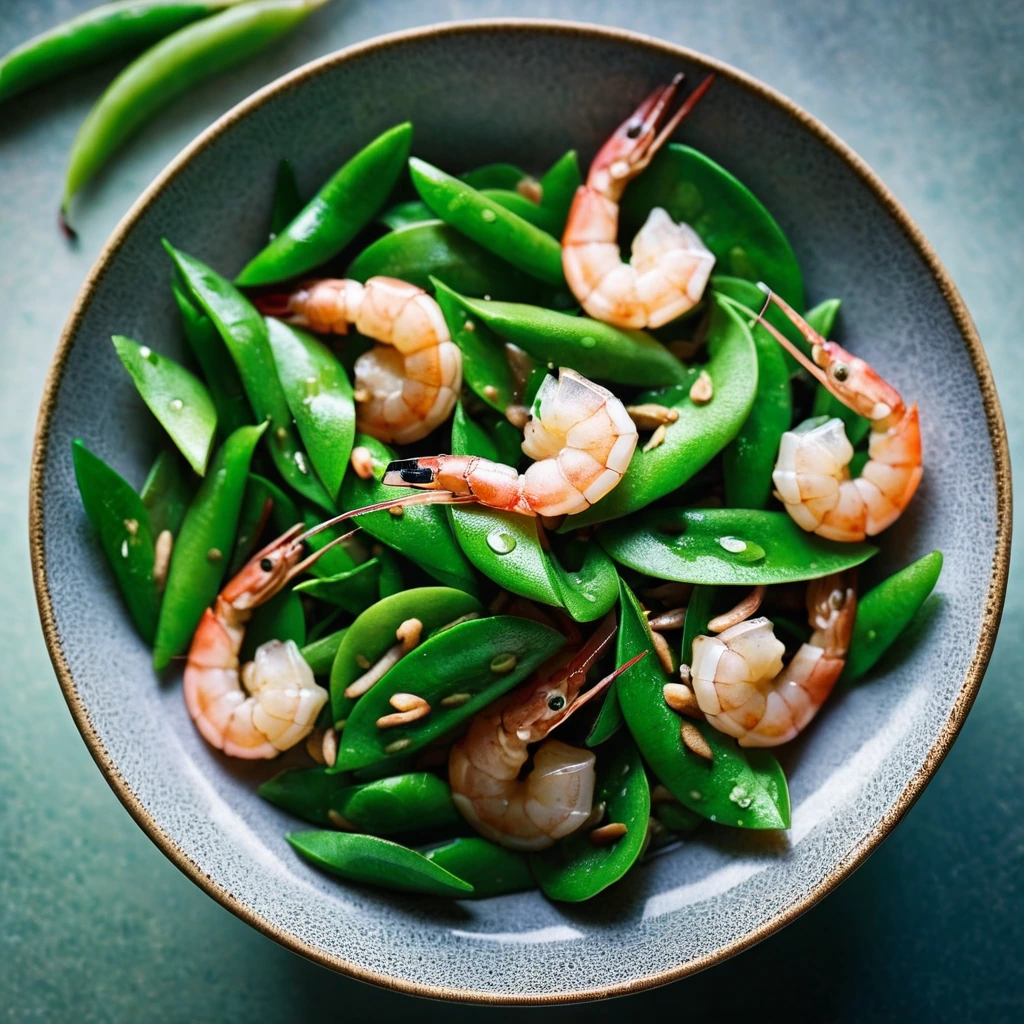
Shrimp and Snow Pea Stir Fry with Ginger
Succulent shrimp and crisp snow peas dance together in a fragrant, ginger-infused stir fry that's quick, zesty, and utterly satisfying.
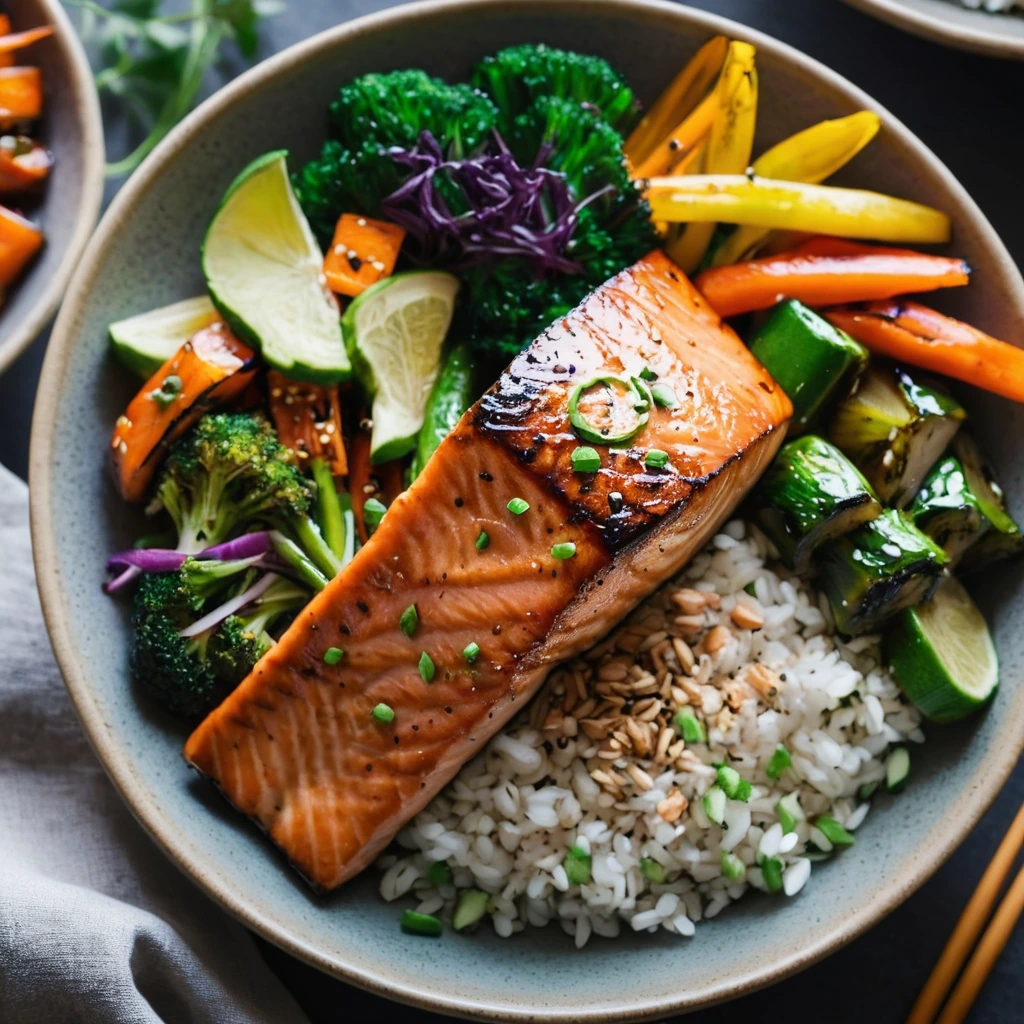
Teriyaki Glazed Salmon and Veggie Bowls
Sweet and savory teriyaki glaze coats succulent salmon fillets atop a vibrant medley of colorful veggies, creating a symphony of flavors in every bite.