Knife Skills: Frenching a Rack of Lamb
Frenching a rack of lamb is a culinary technique that transforms an ordinary cut into a show-stopping centerpiece. This process involves removing the meat and fat from the rib bones, leaving them clean and elegant. The result is not just visually appealing but also allows the bones to crisp up beautifully when roasted. Frenching requires precision and patience, but with the right tools and techniques, even home cooks can achieve professional results. Understanding the anatomy of the lamb rack is crucial; knowing where to trim ensures you don’t waste meat and leave a uniform, clean bone structure. A sharp chef’s knife is essential, as is a sturdy cutting board. Beginners might find it helpful to use kitchen shears to trim excess fat and silver skin. The technique also offers the opportunity to refine your knife handling skills, making it a valuable addition to any home cook’s repertoire. Frenching can seem daunting at first, but with practice, it becomes a satisfying and rewarding process. Mastering this skill not only enhances your cooking but also impresses your dinner guests with a beautifully presented dish. Finally, Frenching is not just about aesthetics; it also allows for even cooking, ensuring the meat is perfectly tender and succulent.
Notes
Frenching works by exposing the bones, which enhances browning and crisping during cooking due to the Maillard reaction. Common mistakes include cutting too close to the bone and removing too much meat, which can be avoided by taking your time and making precise cuts. Always use a sharp knife to prevent slipping, which can cause injuries. For safety, ensure your cutting board is stable and non-slip. This technique can be done ahead of time; store the frenched rack in the refrigerator for up to 24 hours, wrapped tightly in plastic wrap. When ready to cook, bring the lamb to room temperature for even roasting.
Steps
- 1 Place the rack of lamb on a sturdy cutting board with the rib side facing up.
- 2 Using a sharp chef’s knife, cut through the fat and silver skin to expose the eye of meat on each rib.
- 3 Starting at the chine bone, cut down to the rib bone, separating the meat from the bone.
- 4 Peel the meat away from the rib, working towards the end of the rib.
- 5 Trim any remaining fat and sinew from the rib bones using the knife or kitchen shears.
- 6 Repeat for each rib until all bones are clean and exposed.
- 7 Optionally, trim the rib bones to your desired length using a cleaver or heavy knife.
- 8 Rinse the rack under cold water and pat dry with paper towels.
- 9 Inspect the rack for any missed spots and clean as necessary.
- 10 Season the exposed bones and remaining meat with salt and pepper.
Ingredients to explore

Anaheim Peppers
Anaheim peppers are a mild chili pepper variety named after Anaheim, California, where they were first cultivated commercially. Originating from the New Mexico region, these peppers are celebrated for their versatility and gentle heat. They possess a flavor that is mildly sweet with a subtle tang, and a pleasant vegetal note reminiscent of green bell peppers, but with a hint of spice. Their texture is firm and crisp when fresh, becoming tender and slightly smoky when roasted or cooked. In cooking, Anaheim peppers behave well across a range of techniques, from grilling and roasting to stuffing and sautéing, contributing a nuanced depth without overwhelming other ingredients with heat.
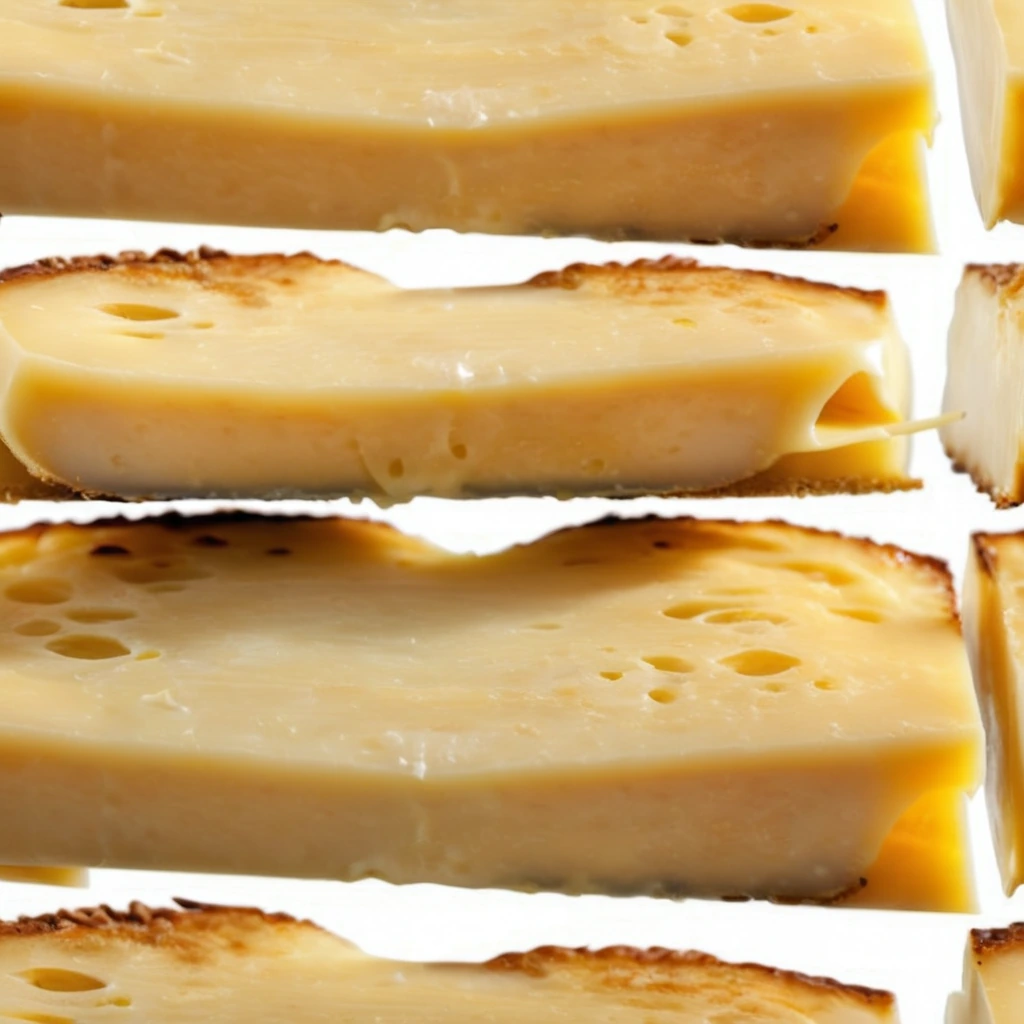
American Cheese Slices
Those iconic, perfectly pliable slices of creamy, mild American cheese. Each slice boasts a smooth, melt-in-your-mouth texture that brings comfort to any dish.
Recipes to try

Sesame Chicken Fried Rice with Veggies
Savory fried rice packed with tender chicken, colorful veggies, and toasted sesame seeds for an irresistible nutty crunch.
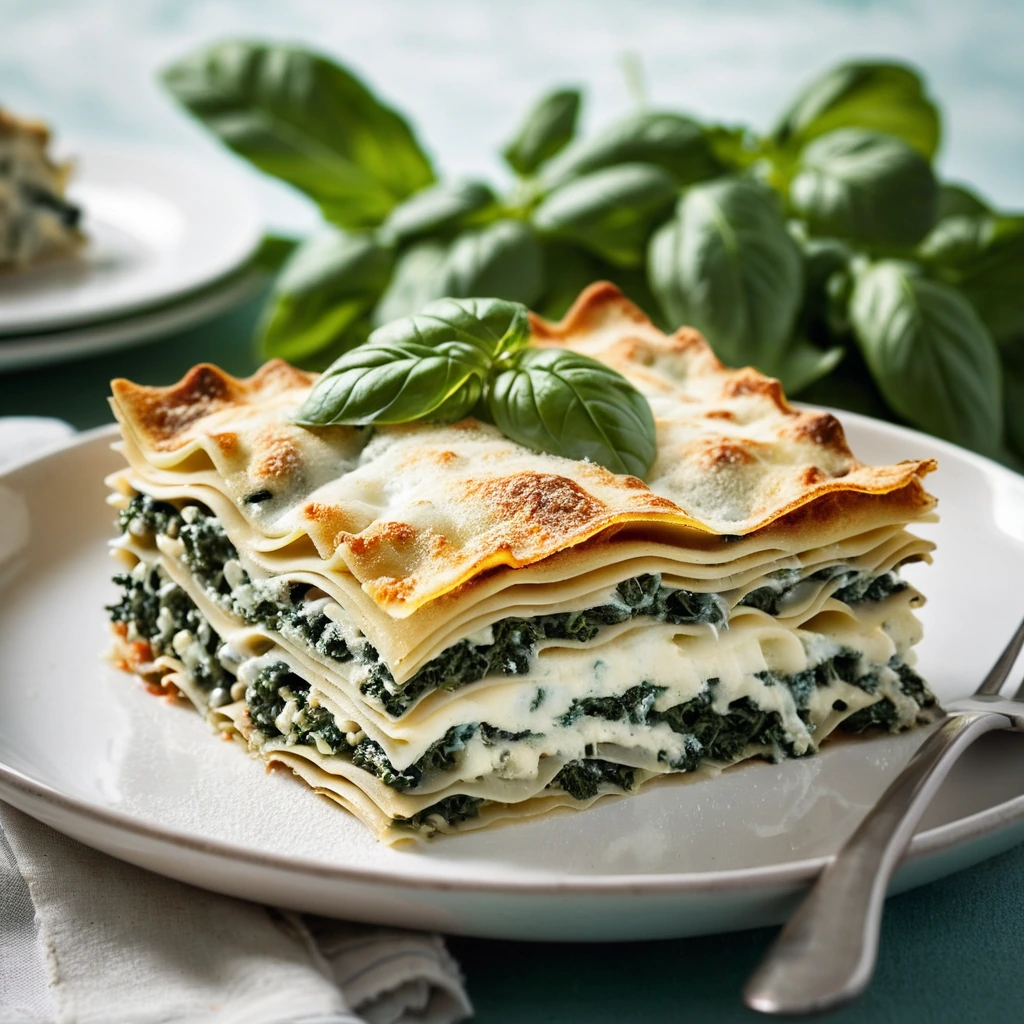
Vegetable Lasagna with Spinach and Ricotta
Layers of tender pasta, creamy ricotta, and a vibrant mix of spinach and veggies come together in a comforting, cheesy casserole.