Egg Technique: Steaming Custardy Eggs on the Stovetop
Steaming eggs on the stovetop is a gentle method that yields a silky, custard-like texture perfect for dishes like flan, steamed custards, and delicate omelets. This technique relies on indirect heat to cook eggs slowly and evenly, preventing them from curdling or scrambling. By creating a water bath environment directly on your stovetop, you can achieve professional results without the need for a specialized oven setup. This method is particularly useful when you want to control the cooking process with precision or when oven space is limited. The key is maintaining a consistent temperature that envelops the eggs in a gentle embrace, allowing them to set without overcooking. Whether you're a breakfast aficionado or a dessert lover, mastering this technique will elevate your egg dishes to new heights of creamy perfection.
Notes
The gentle heat from steaming cooks eggs slowly, allowing proteins to coagulate evenly without forming large, tough curds. A common mistake is using too high of heat, which can cause the eggs to scramble or develop a rubbery texture. Always maintain a gentle simmer and monitor the water level to prevent scorching. For safety, handle hot bowls and steam with care, using oven mitts. This technique works well for make-ahead dishes; store steamed custards in the refrigerator for up to 3 days. Reheat gently to preserve texture.
Steps
- 1 Select a heatproof bowl that fits snugly inside a saucepan without touching the water.
- 2 Crack eggs into the bowl and whisk gently with sugar or other flavorings until just combined.
- 3 Fill the saucepan with 1-2 inches of water, ensuring it doesn't touch the bottom of the bowl.
- 4 Place the bowl with the egg mixture into the saucepan.
- 5 Turn the heat to medium-low and bring the water to a gentle simmer.
- 6 Cover the saucepan with a lid or aluminum foil to trap steam.
- 7 Steam the eggs, checking occasionally to ensure the water doesn't boil rapidly or evaporate.
- 8 Cook until the eggs are just set but still wobbly in the center, about 10-15 minutes depending on desired consistency.
- 9 Remove the bowl from the saucepan and let it sit undisturbed for 5 minutes to finish setting.
- 10 Run a knife around the edges of the bowl to loosen the custard, then invert onto a serving plate.
- 11 Optional: Chill in the refrigerator for an hour if a firmer texture is desired.
Ingredients to explore
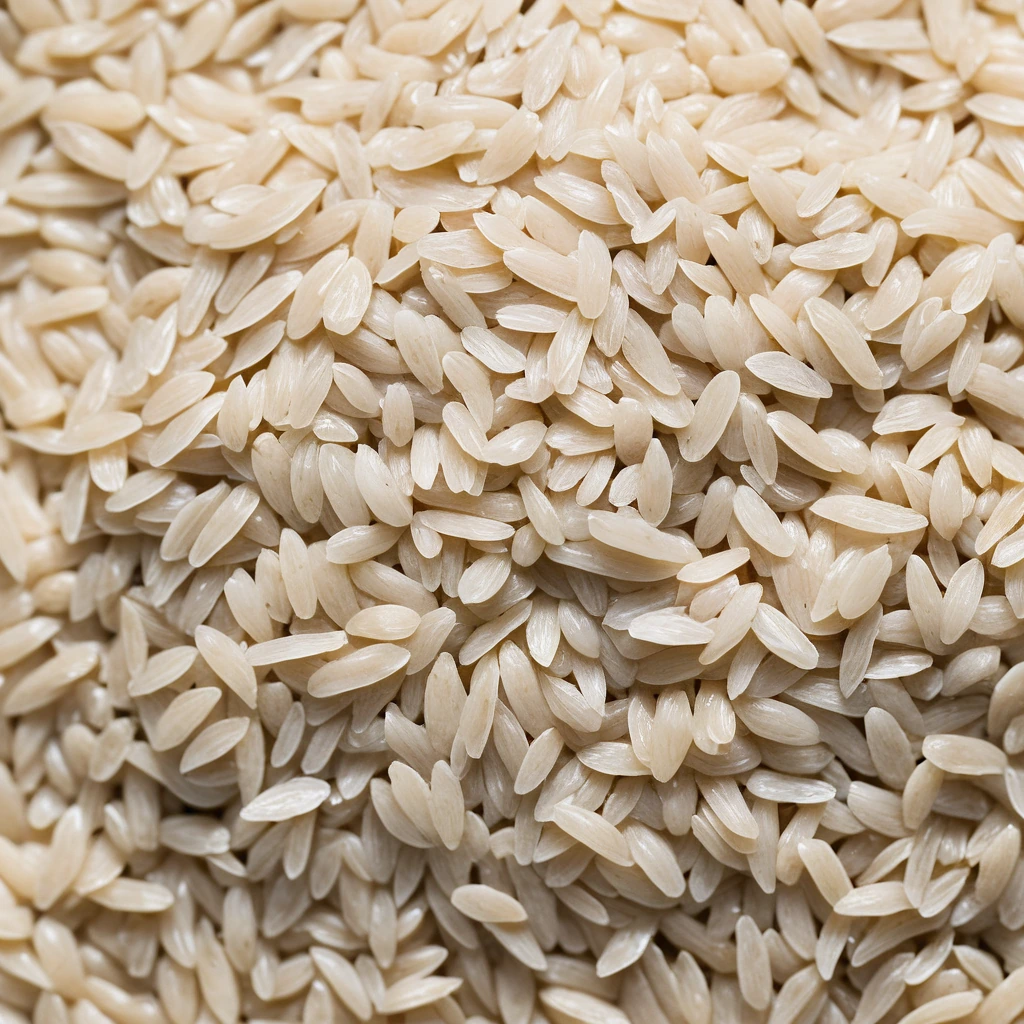
Arborio Rice
Arborio rice is a short-grain Italian rice variety renowned for its use in risotto. Originating from the Po Valley in Northern Italy, it is a staple in Italian cuisine. Its flavor is mild and nutty, with a pleasant creamy texture when cooked due to its high amylopectin content, which releases starch and creates a velvety consistency. The grains remain plump and firm to the bite, offering a satisfying chewiness. In cooking, Arborio rice excels at absorbing flavors from broths and seasonings while maintaining its shape, making it ideal for dishes that require both creaminess and structure.
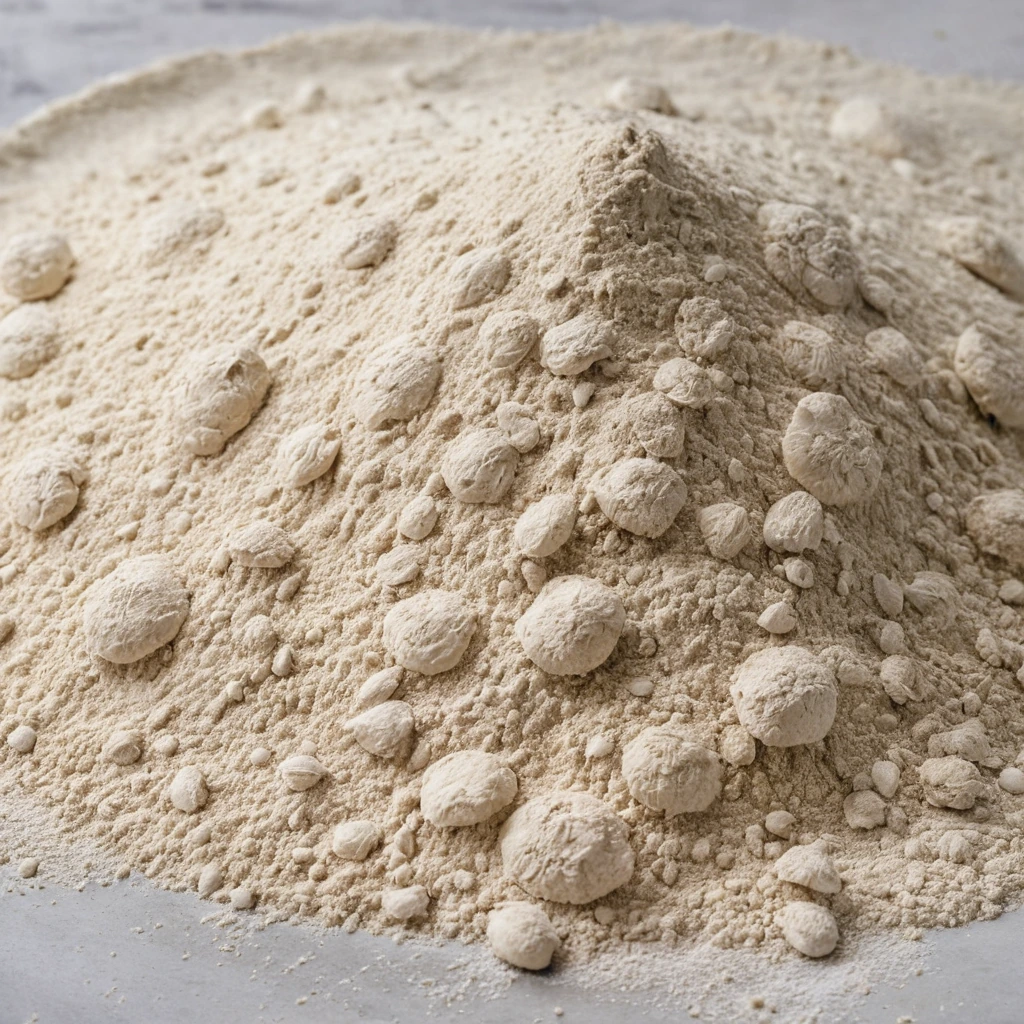
00 Pizza Flour
00 pizza flour is a finely milled Italian flour prized for its versatility in creating authentic Neapolitan-style pizza crusts. Originating from Italy, it is milled to a very fine consistency, which is reflected in its name, 'doppio zero,' indicating its fine grind. This flour has a balanced flavor profile, offering a mild, slightly sweet taste with a subtle nuttiness. Its texture is silky and smooth, contributing to a tender yet chewy crust when used in pizza making. In cooking, 00 pizza flour is known for its ability to hydrate quickly and develop a desirable gluten structure, resulting in a light and airy crust that can withstand high-heat cooking without becoming overly crispy or hard.
Recipes to try
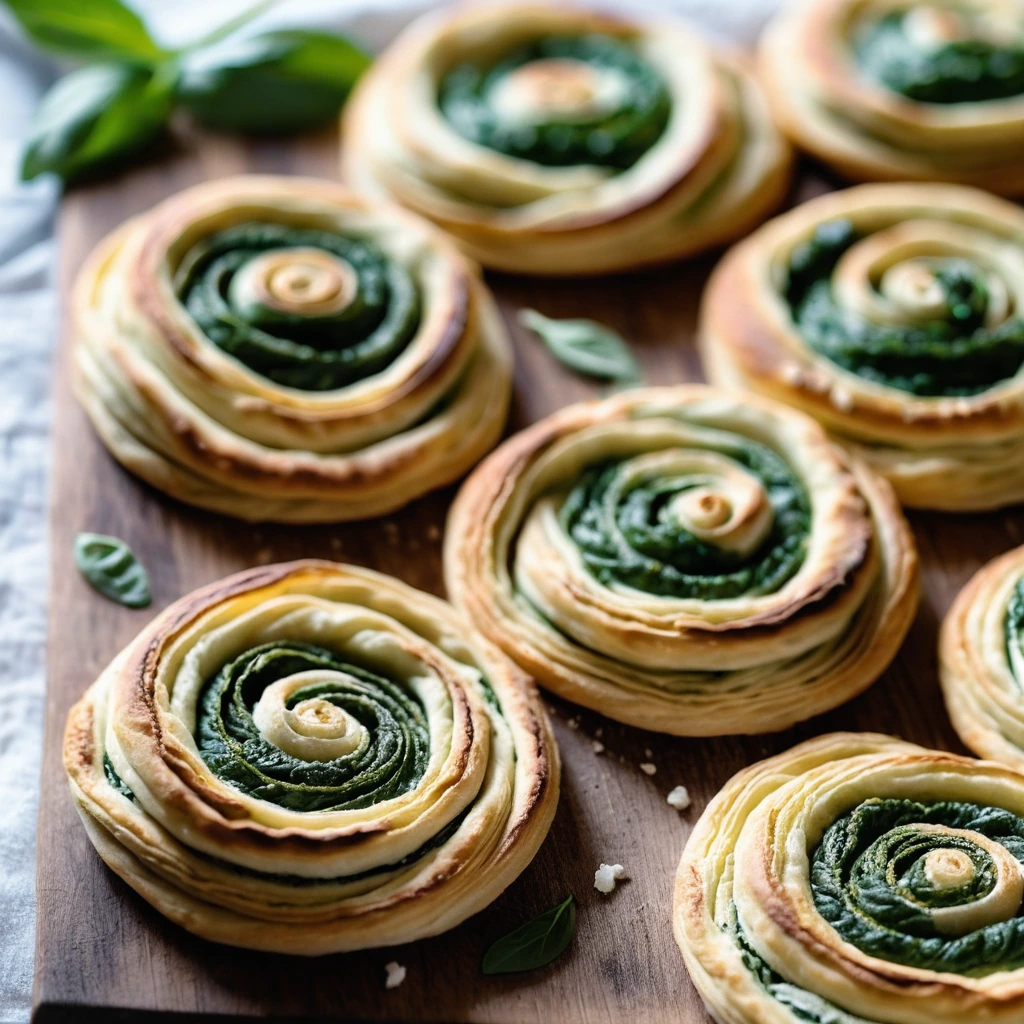
Spinach and Feta Puff Pastry Swirls
Golden, flaky layers of puff pastry embrace a savory mix of spinach and tangy feta in these irresistible swirls.

Pork Carnitas Nachos with Queso and Jalapeños
Crispy tortilla chips smothered in tender pork carnitas, melty queso, and zesty jalapeños for a fiesta in your mouth.