Dairy: Homemade Ricotta Technique
Making ricotta at home is simpler than you might think, and the results are creamy, fresh, and utterly delicious. This technique transforms basic pantry ingredients into a versatile cheese that can elevate everything from pasta dishes to desserts. Ricotta, meaning 'recooked' in Italian, is made by heating milk to coagulate the proteins, then straining the curds to create a soft, spreadable cheese. Unlike store-bought varieties, homemade ricotta boasts a purity of flavor that's truly unmatched. You’ll be amazed at how easy it is to control the texture and taste by adjusting the cooking process. Whether you’re a seasoned home cook or just starting out, mastering this technique will impress your friends and family and add a touch of gourmet flair to your meals. Plus, it's a fantastic way to utilize leftover milk and reduce food waste. With just a few simple steps, you can enjoy ricotta that's fresher and more flavorful than anything you can buy. Let’s dive into the world of homemade ricotta and discover how rewarding it can be to make cheese at home.
Notes
The science behind ricotta is straightforward: heating milk causes the proteins to coagulate and separate from the liquid whey. Using an acid like buttermilk, vinegar, or lemon juice helps break down the proteins even further, creating the delicate curds characteristic of ricotta. Common mistakes include overheating the milk, which can result in grainy cheese, or not allowing enough time for the curds to fully separate. To troubleshoot, use a thermometer for precise temperature control and be patient during the resting phase. For storage, homemade ricotta will keep in the refrigerator for up to five days. For best results, use it within a couple of days for optimal freshness. Always ensure your equipment is clean to avoid any risk of contamination.
Steps
- 1 Pour 1 gallon of whole milk into a large, heavy-bottomed pot.
- 2 Add 1 cup of buttermilk or 2 tablespoons of white vinegar or lemon juice to the milk.
- 3 Heat the mixture over medium heat, stirring occasionally, until it reaches 190°F.
- 4 Watch for the milk to begin separating into curds and whey.
- 5 Once 190°F is reached, remove the pot from the heat and let it sit for 10 minutes.
- 6 Line a colander with a clean kitchen towel or cheesecloth and place it in the sink.
- 7 Carefully pour the curds into the colander, allowing the whey to drain off.
- 8 Gather the edges of the cloth and gently squeeze out any excess whey.
- 9 Transfer the ricotta to a bowl, season with salt to taste, and let it cool to room temperature.
Ingredients to explore
2% Milk
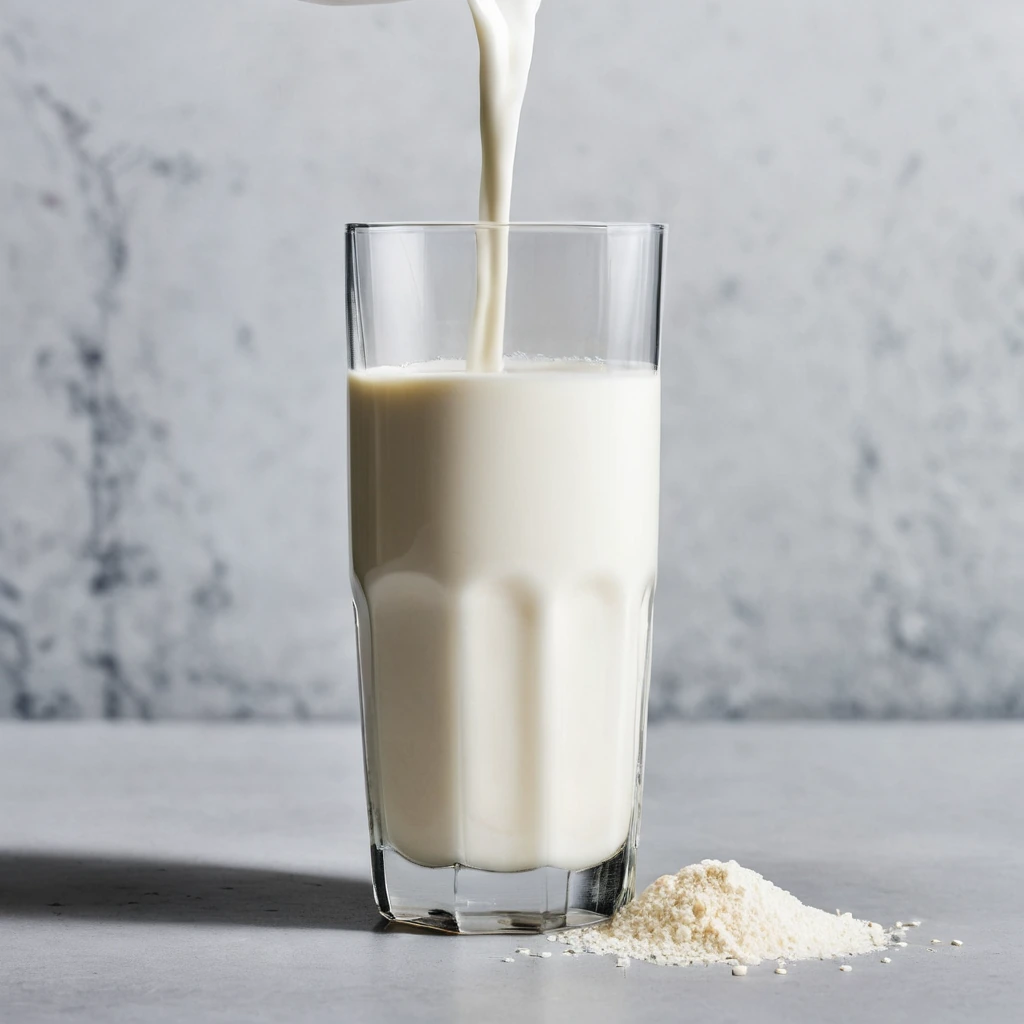
Creamy and just a touch lighter than whole milk, 2% milk offers a perfect balance of richness and reduced fat. Its smooth texture and subtle sweetness make it a delightful choice for sipping or cooking.

Andouille Sausage
Andouille sausage is a coarse-grained, smoked pork sausage with a rich history rooted in French cuisine, particularly from the Alsace region. It was adapted in Louisiana, where it became a staple in Cajun and Creole cooking. The sausage is known for its robust, smoky flavor with hints of garlic, pepper, and other spices, creating a spicy and savory profile. Its texture is firm yet slightly chewy, making it a hearty addition to dishes. When cooked, andouille sausage maintains its shape well and infuses dishes with its distinctive smoky essence, enhancing stews, soups, and rice dishes.