Beginner’s Guide to Stir-Fry: Sauces, Veggies, and Timing
Master the art of stir-fry with this beginner’s guide covering everything from the perfect sauce to veggie selection and timing.
Introduction to Stir-Frying
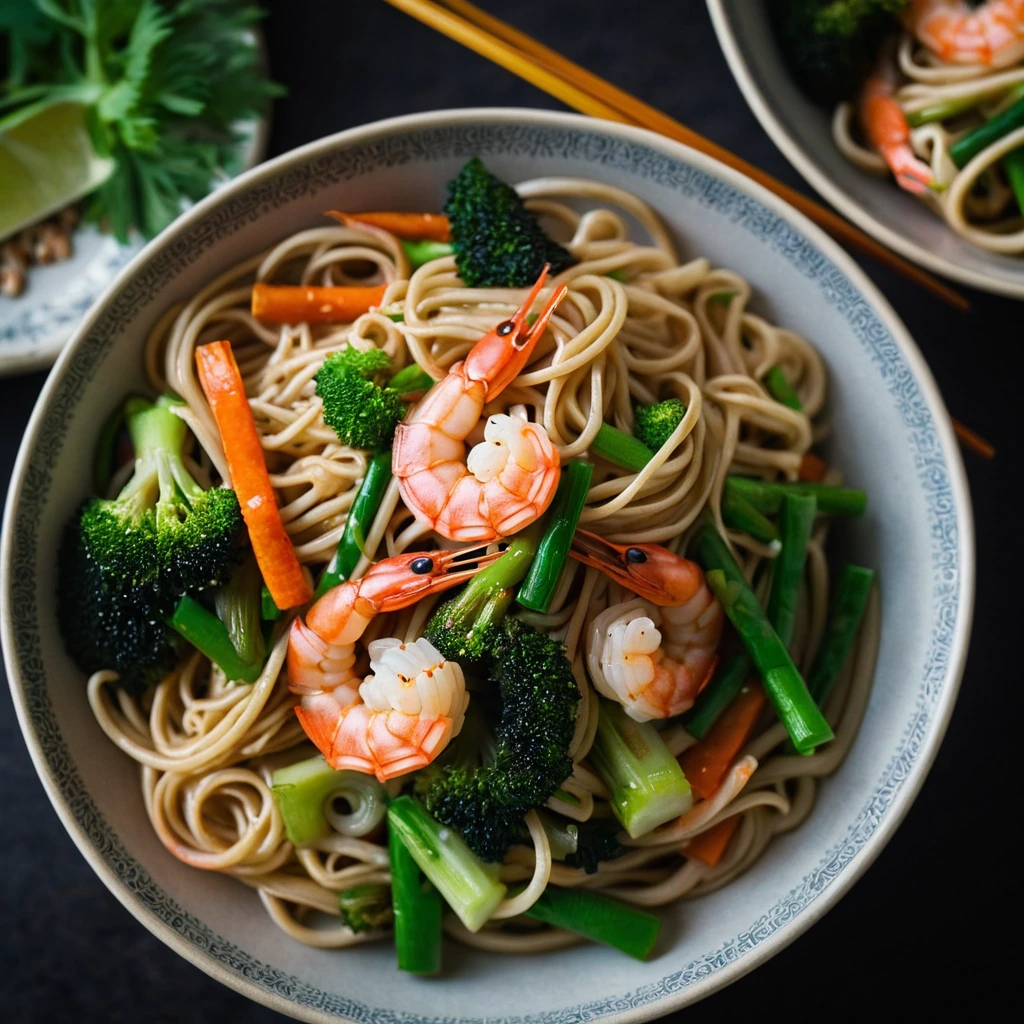
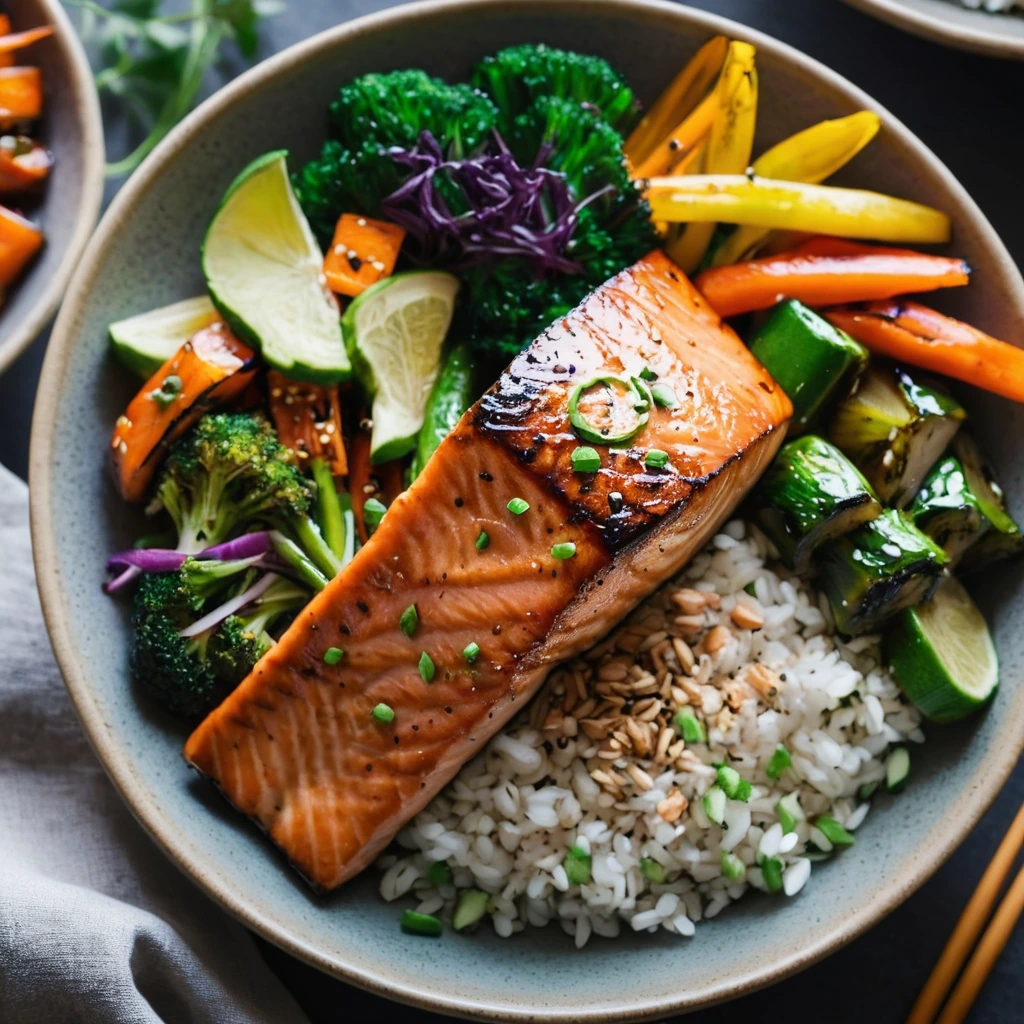
Ah, stir-frying. The cooking technique that transforms simple ingredients into a symphony of flavors in mere minutes. If you’ve ever marveled at the speed and skill of a chef tossing veggies in a sizzling wok, you’re not alone. Fear not, though—this beginner’s guide will walk you through the basics so you can whip up your own stir-fry masterpiece.
The Heart of Stir-Fry: The Sauce
The sauce is where the magic happens. A good stir-fry sauce is a balance of sweet, salty, tangy, and sometimes spicy. Here’s a simple recipe to get you started:
- 3 tablespoons soy sauce
- 1 tablespoon rice vinegar
- 1 tablespoon hoisin sauce
- 1 teaspoon sesame oil
- 1 teaspoon sugar
- 1 clove garlic, minced
Whisk these together and adjust to taste. Pro tip: Add a splash of water to thin it out if needed.
Tweak It to Your Taste
Not a fan of hoisin? Swap it out for oyster sauce or a touch of honey for extra sweetness. Stir-fry sauces are all about personal preference, so don’t be afraid to experiment.
Veggie Selection and Prep
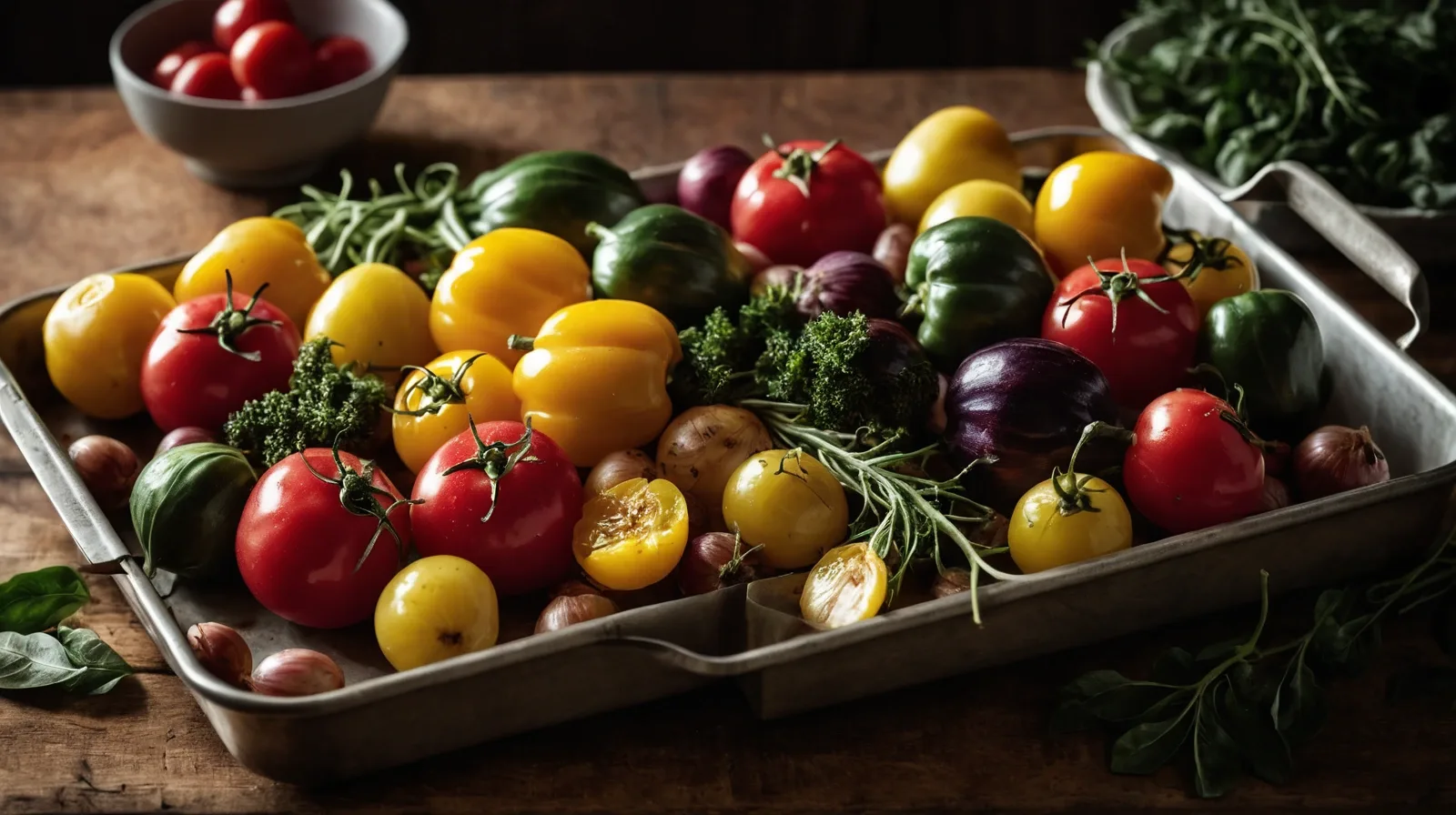
The beauty of stir-frying is that it works with almost any veggie. Here’s what you need to know:
- Leafy Greens: Spinach and bok choy cook quickly, so add them towards the end.
- Root Veggies: Carrots and daikon need a head start due to their density.
- Cruciferous Veggies: Broccoli and cauliflower should be sliced thin for even cooking.
Prep your veggies ahead of time—stir-frying happens fast, and you’ll want everything ready to go.
Timing is Everything
When it comes to stir-frying, timing is everything. Here’s the general order:
- Heat your wok or skillet until it’s screaming hot.
- Add oil, then aromatics like garlic and ginger.
- Toss in the heartiest veggies first.
- Finish with leafy greens and your protein of choice.
- Pour in the sauce and toss to coat.
Remember, high heat is your friend. Keep everything moving to avoid burning.
Actionable Tips for Stir-Fry Success
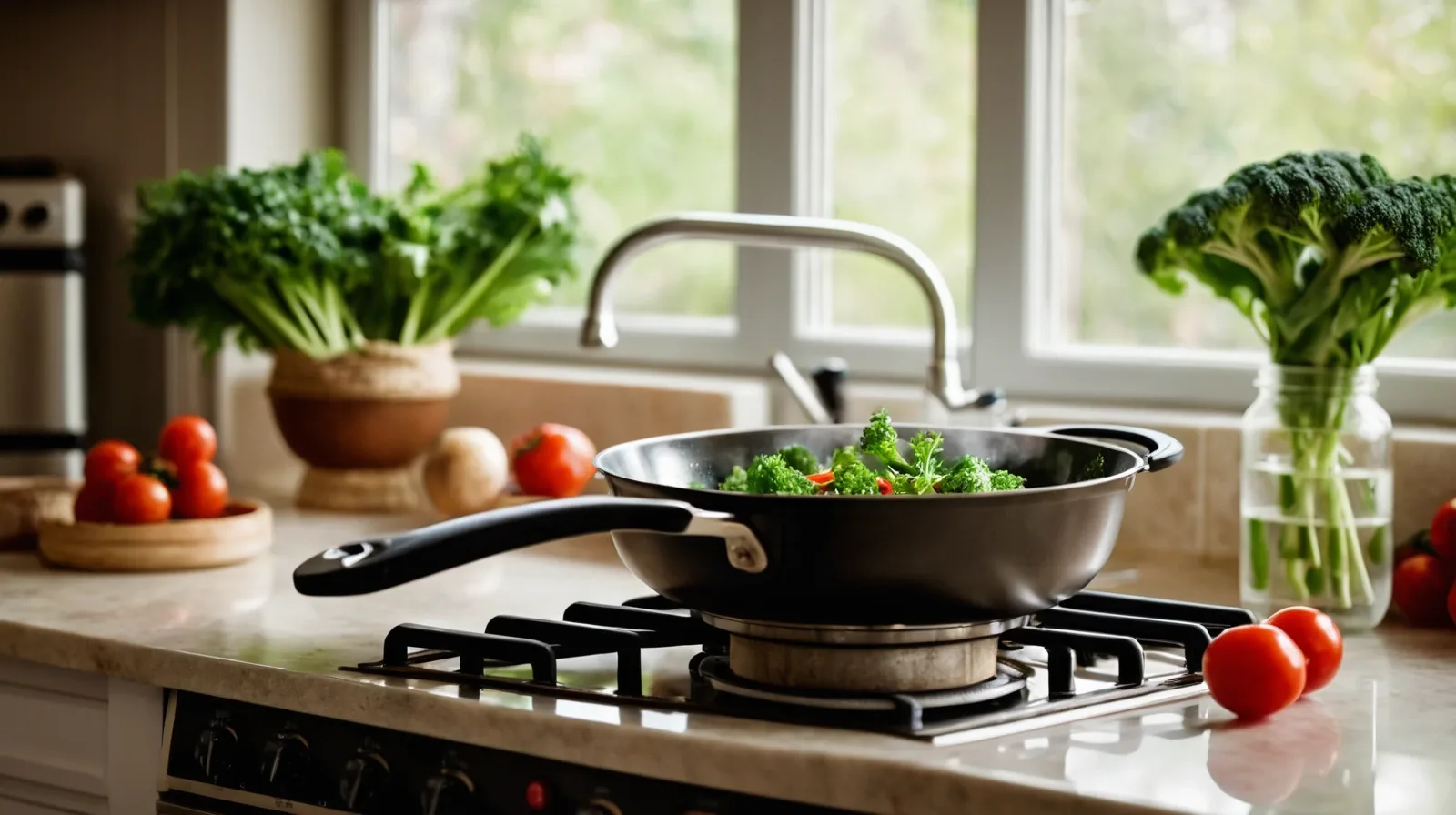
- Use a Wok: Its shape allows for better tossing and even heat distribution.
- Keep it Dry: Pat your veggies and proteins dry before cooking to ensure a good sear.
- Prep Like a Pro: Have all your ingredients prepped and within arm’s reach before you start cooking.
Mini-FAQ
Can I Make Stir-Fry Without a Wok?
Absolutely! A large, flat-bottomed skillet works just fine. You might need to adjust your heat settings though.
What Oil Should I Use?
Choose an oil with a high smoke point like peanut, vegetable, or avocado oil. They can handle the high heat without breaking down.
Closing Thoughts
There you have it! Stir-frying is all about balance—balance of flavors, balance of textures, and balance of timing. With practice, you’ll be tossing veggies like a pro in no time. So fire up your wok, gather your ingredients, and let the sizzle begin.