The Science Behind Salt and Cooking
Discover how salt transforms flavors and textures in cooking, and learn practical tips to use it like a pro.
Introduction to Salt: More Than Just a Seasoning
Salt isn't just the white stuff you sprinkle on your fries. It's a fundamental ingredient that can elevate your cooking to new heights. But to harness its full potential, you need to understand its science.
The Chemistry of Salt
Salt, or sodium chloride, is a mineral composed of sodium and chloride ions. It's hygroscopic, meaning it attracts water. This quality is key to understanding its role in cooking.
Flavor Enhancement
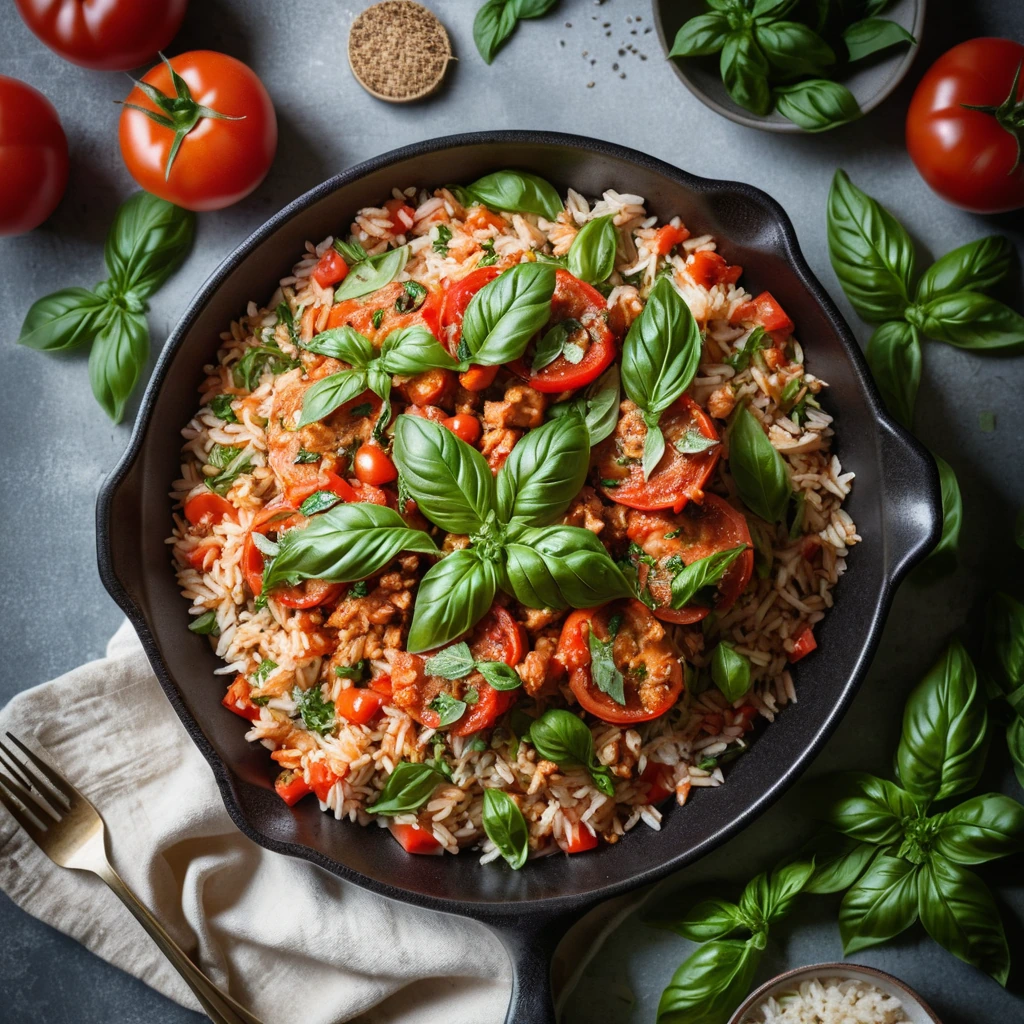
Salt doesn't just add saltiness; it enhances other flavors. It suppresses bitterness and amplifies sweetness and umami. Here’s a practical tip: when making tomato sauce, add 1 teaspoon of salt per pound of tomatoes to unlock their full flavor potential.
Texture Modification
Salt can firm up proteins, which is why it's used in brining meats. Dissolve 1/4 cup of salt in 4 cups of water to create a simple brine for chicken or turkey, ensuring juicy and flavorful results every time.
Practical Tips for Cooking with Salt
- Salt your pasta water generously - aim for a tablespoon per pound of pasta. This infuses each strand with flavor.
- Finish dishes with a sprinkle of flaky sea salt for a gourmet touch.
- Experiment with different salts like Himalayan pink or smoked sea salt for unique flavor profiles.
Common Mistakes and How to Avoid Them
Over-salting is a common pitfall. Taste as you go and remember that saltiness intensifies as dishes cook down. Also, avoid adding salt to dishes too early in the cooking process to maintain control over the final flavor.
Mini-FAQ
Can I use table salt for cooking?
Absolutely! Table salt works fine for cooking, though gourmet salts may offer a more nuanced flavor or texture.
How does salt affect boiling water?
Adding salt to water raises its boiling point slightly, but the real benefit is seasoning the food you cook in it.
Closing Thoughts
Salt is a cook's best friend, capable of transforming ordinary meals into extraordinary experiences. By understanding its science and applying these tips, you can wield its power with confidence. So go ahead, season boldly and cook with abandon.