Pantry Organization for People Who Actually Cook
Transform your chaotic pantry into a chef’s haven with practical tips and tricks that make cooking a breeze.
Introduction
Let's face it: a chaotic pantry is a recipe for culinary disaster. If you're someone who actually cooks — and not just reheats — your pantry is your personal supermarket. It's where you stash your staples, your secret weapons, and your 'just-in-case' ingredients. But when everything is a jumbled mess, it can lead to forgotten cans of chickpeas and expired boxes of pasta. Fear not, fellow home chef! Here are some practical, no-nonsense tips to get your pantry in tip-top shape.
Assess Your Space
First things first: take stock of your pantry. Empty it out and inspect every nook and cranny. Measure your space — yes, with a tape measure — to understand what you're working with.
Group Like With Like
- Sort your items into categories: grains, canned goods, spices, oils, baking supplies, etc.
- Keep frequently used items front and center, while seasonal or rarely used items can be tucked away.
Invest in Quality Containers
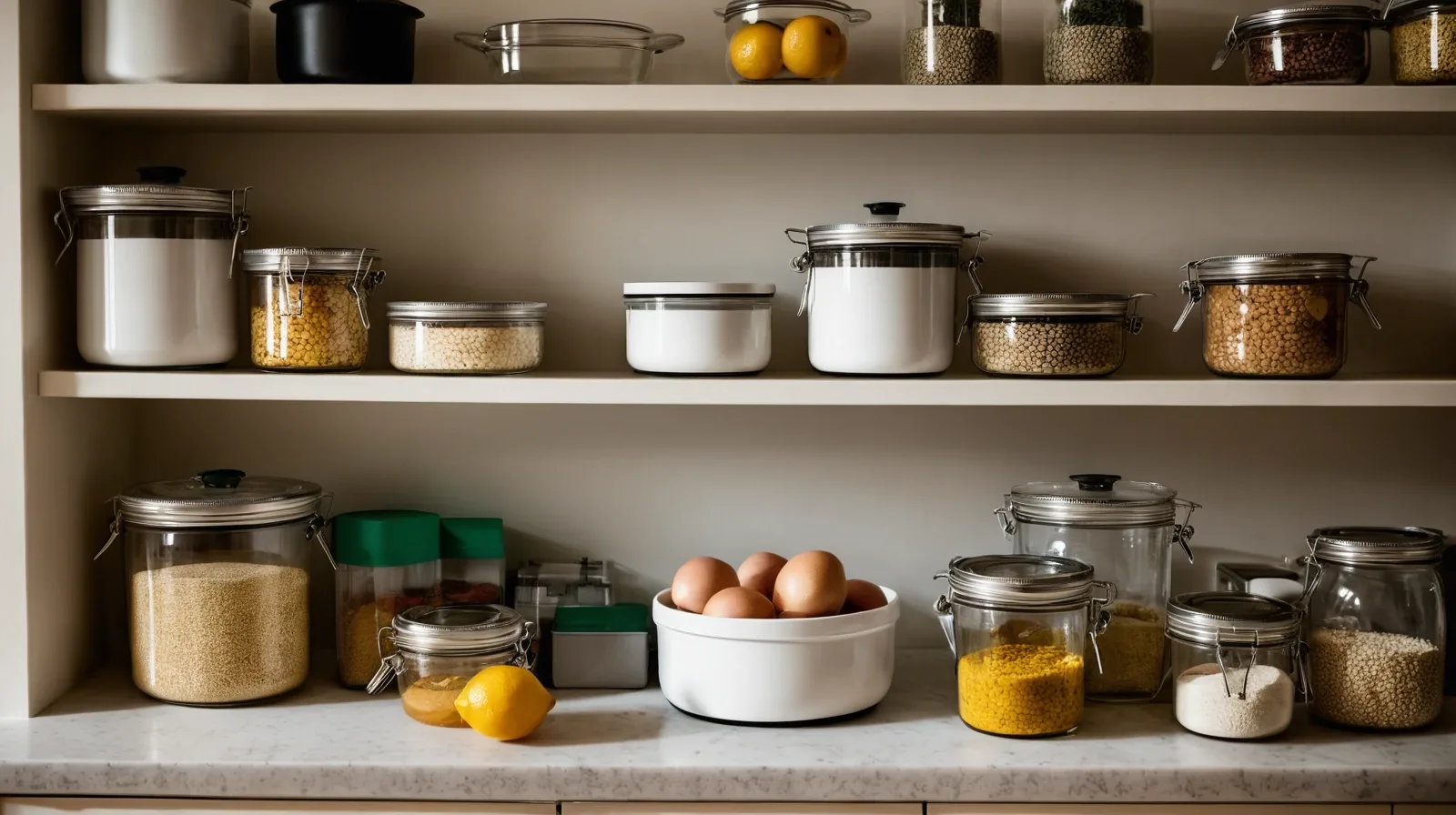
Clear, airtight containers are your pantry’s best friend. They keep your food fresh and let you see what you have at a glance. Here’s the deal:
Containers 101
- Use uniform sizes to maintain a cohesive look.
- Label everything — trust me, your future self will thank you.
- Consider stackable bins to maximize vertical space.
Keep It Cool and Dry
Your pantry should be a bastion of ideal conditions — not too hot, not too humid. Here are some specifics:
- Ideal temperature: around 70°F (21°C).
- Avoid storing anything near heat sources like stoves or vents.
Smart Shelving Solutions
The right shelving can make all the difference. Consider installing pull-out shelves for corner cabinets or lazy Susans for carousels of spices.
Pro Tips for Shelving
- Install shelves at varying heights to accommodate different sized items.
- Use tension rods to hang bags of chips or crackers.
The Art of Labeling
A label is worth a thousand words — and zero guesswork.
Labels are non-negotiable. Whether you use chalkboard stickers, masking tape, or printable labels, ensure you know what's inside each container without having to open it.
Rotation is Key
FIFO (First In, First Out) isn’t just for warehouses. Apply this principle to your pantry to prevent waste:
- Place newer items behind older ones.
- Check expiration dates regularly.
Mini FAQ
How often should I reorganize my pantry?
A good rule of thumb is every three to six months. But if you’re a prolific cook, a monthly check-in might be necessary.
Can I use my pantry for non-food items?
Sure! Just make sure it doesn’t compromise your cooking essentials. Consider a separate storage space for non-food items.
Closing Thoughts
With a well-organized pantry, you'll spend less time digging for ingredients and more time doing what you love: cooking. Remember, a tidy pantry is a sign of a cook who respects their craft. Now go forth and conquer that clutter. Your future meals — and sanity — will thank you.