Mastering Texture: Crunch, Creamy, Chewy, and Tender in One Plate
Learn how to balance the four fundamental textures in your dishes for a mouth-watering experience. Tips and tricks to elevate your home cooking.
The Art of Textural Balance
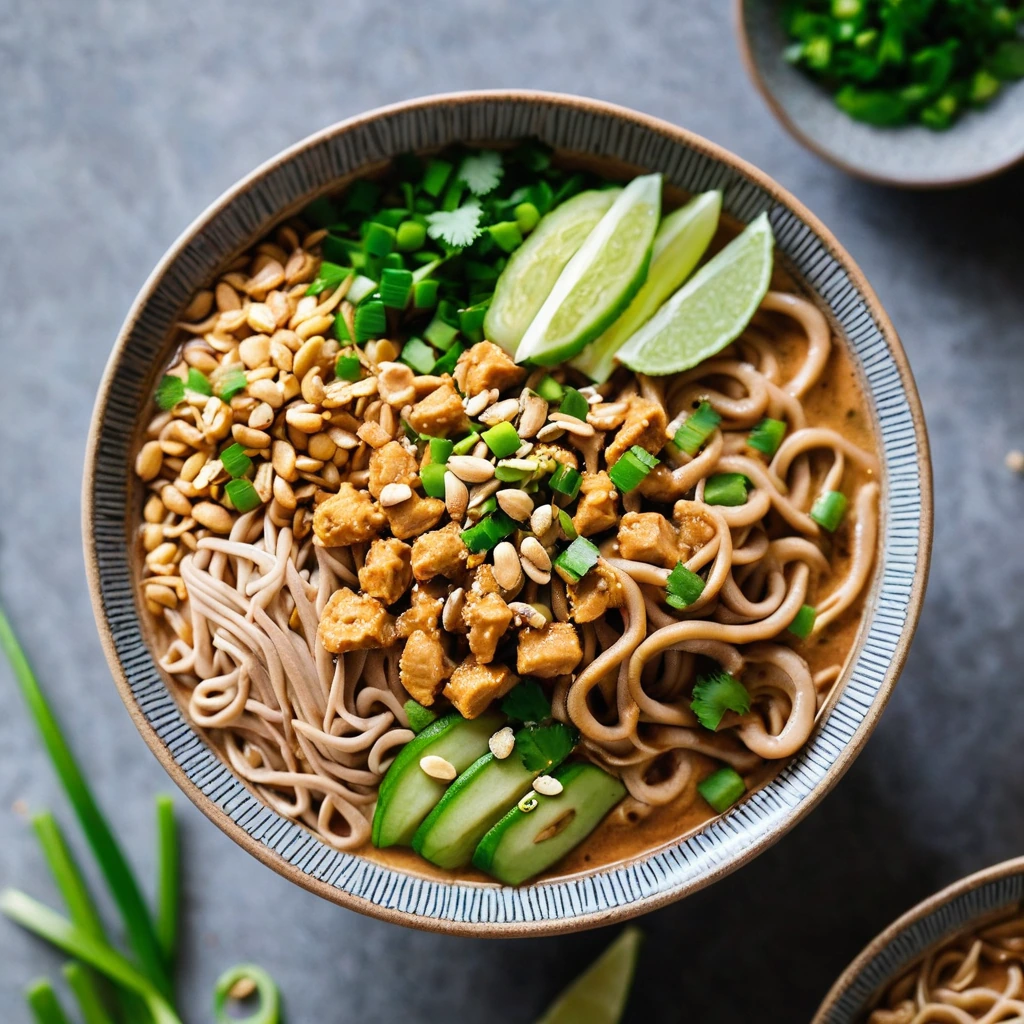
Imagine a plate that’s a symphony of sensations – where each bite offers a delightful surprise of crunch, creamy, chewy, and tender textures. Achieving this culinary harmony isn’t just about throwing random ingredients together; it’s an art form that requires a touch of science and a dash of creativity.
Why Texture Matters
Texture isn’t just a garnish for your taste buds; it’s a key player in the dining experience. It can transform a forgettable meal into a memorable one. A creamy sauce can soothe while a crunchy topping adds excitement. Chewy elements keep you engaged, and tender morsels melt in your mouth.
Crafting the Crunch
Crunch is often the first texture we encounter, and it sets the stage. Whether it’s a shatteringly crisp piece of fried chicken or a zesty salad with a sprinkle of toasted nuts, crunch demands attention.
- Tip: For veggies, a quick blanch followed by an ice bath retains that satisfying snap.
- Hack: To achieve that perfect fry, heat your oil to 350°F (175°C) and maintain that temperature for consistent results.
The Creamy Touch
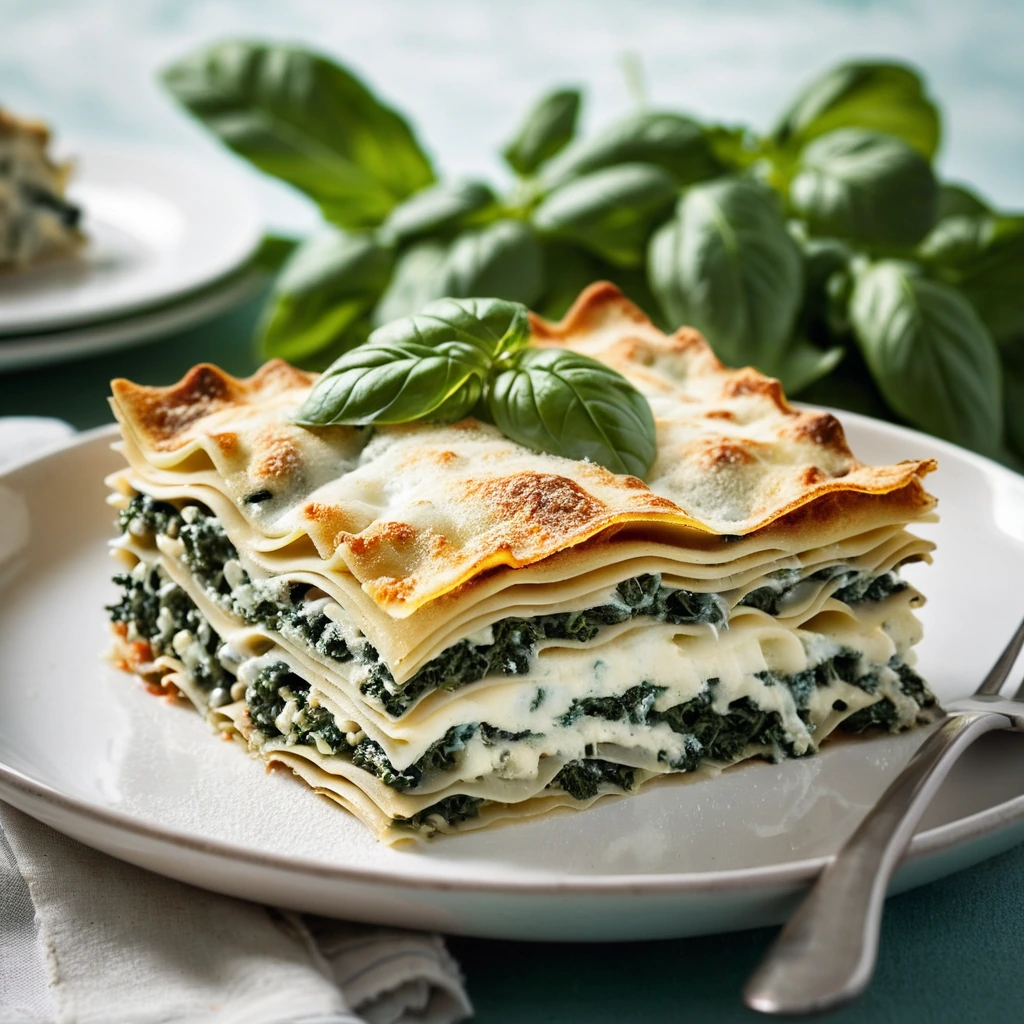
Creaminess is all about that smooth, velvety sensation that coats your mouth. Think of a luxurious béchamel sauce or the silky texture of a well-made hummus.
Pro Tip: Adding a touch of cream cheese to your mashed potatoes not only boosts the creaminess but also adds a tangy kick.
Achieving Chewy Goodness
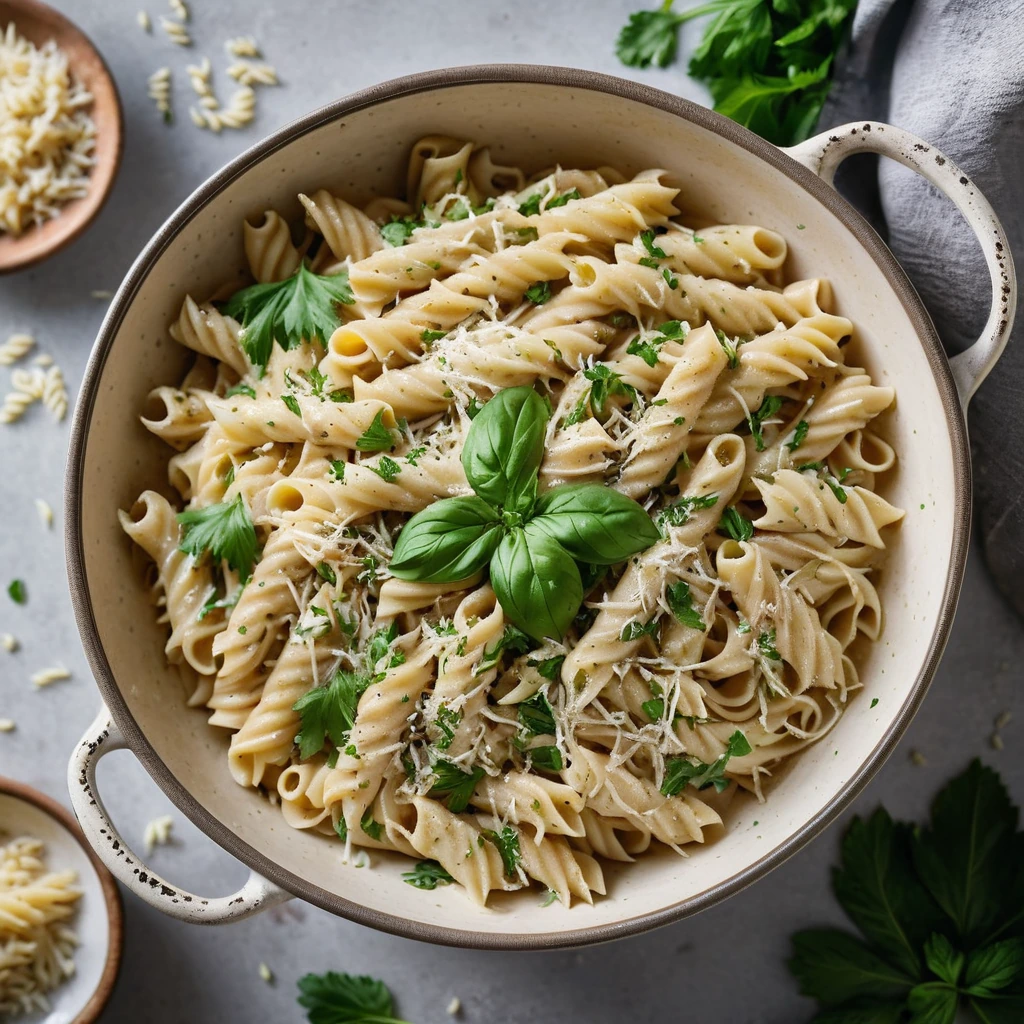
Chewy textures invite you to linger, to savor each bite. Consider the chewy allure of a perfectly al dente pasta or a homemade chewy granola bar.
- For pasta, cook it just shy of what the package says – usually about 1-2 minutes less.
- When making chewy bars, don’t skimp on the binding agent like honey or syrup.
The Tender Finale
Tender textures are a palate’s dream. They’re about yielding to pressure and melting away, like a fork-tender braised short rib or a succulent roasted chicken breast.
Mini-FAQ
How do I prevent my bread from becoming too chewy?
Over-kneading can lead to a chewy loaf. Aim for a dough that’s smooth and elastic, but not overly worked. Also, consider the hydration level – too much water can lead to a chewier texture.
Can I balance textures in a simple meal like a sandwich?
Absolutely! Layer crisp lettuce, creamy avocado, and tender roasted turkey for a delightful mix of textures in every bite.
Closing Thoughts
Mastering texture is about understanding the interplay of ingredients and techniques. With a little practice, you can turn any plate into a textural masterpiece that delights and satisfies. So grab your apron, and let’s get cooking!