How Spice Heat Works: Scoville, Capsaicin, and Your Taste Buds
Ever wonder why some peppers set your mouth on fire? Dive into the science of spice heat, from the Scoville scale to capsaicin's fiery chemistry, and discover how your taste buds perceive the burn.
Introduction to Spice Heat
Ah, the fiery thrill of biting into a jalapeño, or the unexpected explosion of a ghost pepper. But what's really going on when your mouth feels like it's hosting a mini bonfire? Let's dive into the steamy world of spice heat and unravel the mysteries of Scoville, capsaicin, and your unsuspecting taste buds.
What Makes Spices Hot?
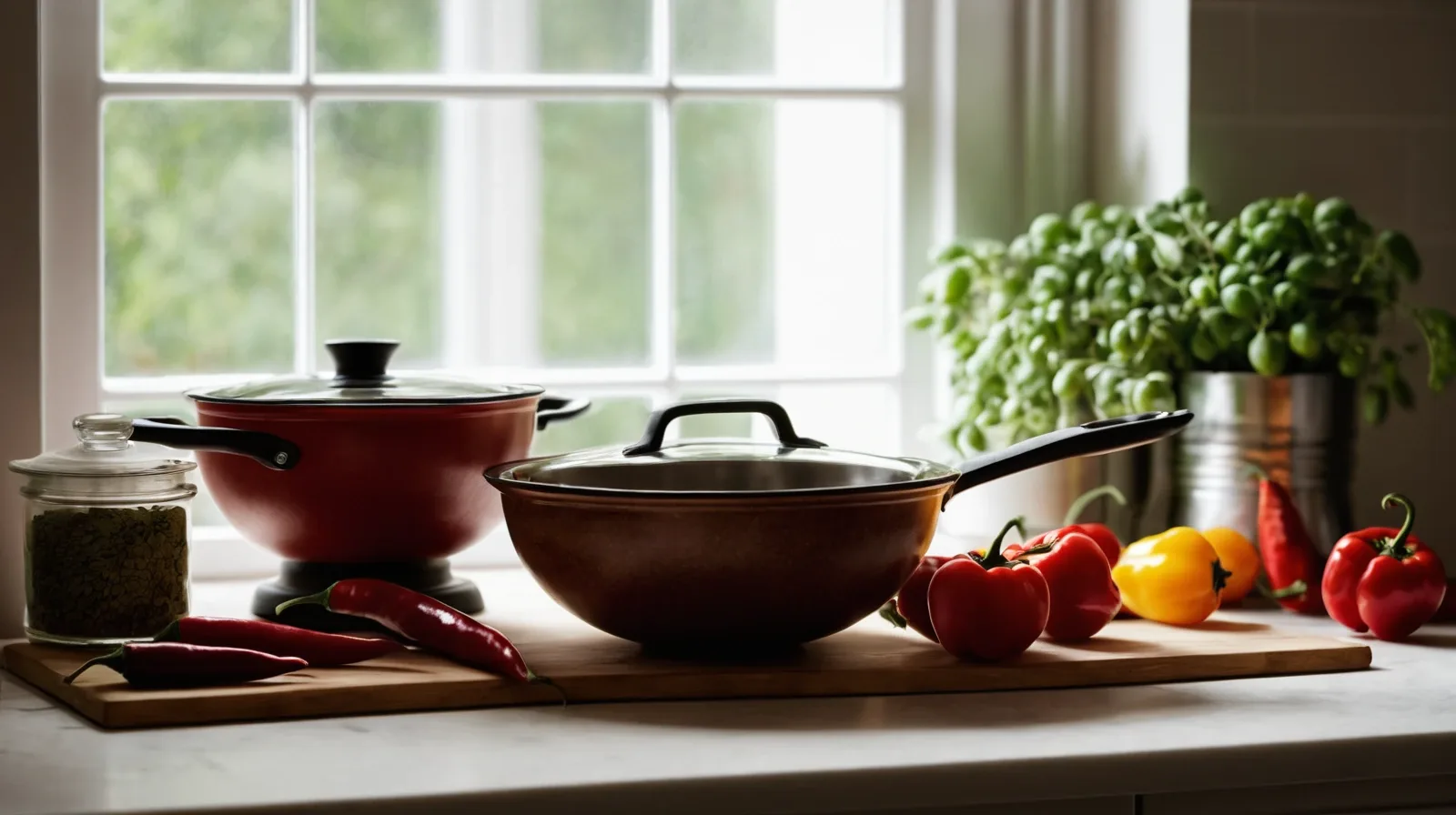
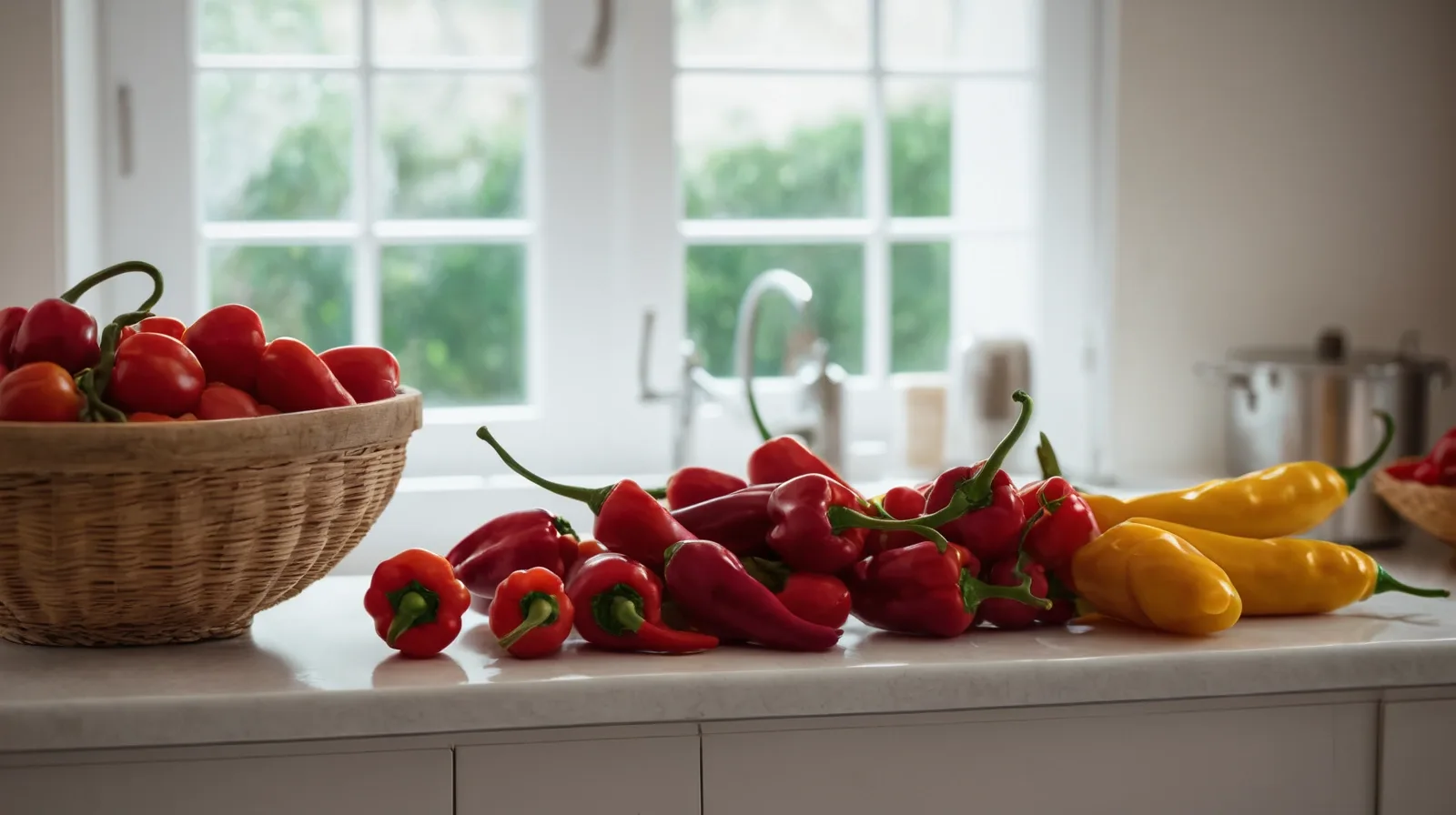
Before we get to the burning details, let's talk about capsaicin. This is the chemical compound that gives chili peppers their kick. It's like the secret ingredient in nature's hot sauce. When you munch on a habanero, it's capsaicin that makes your mouth send distress signals to your brain.
The Scoville Scale: Measuring Heat
Enter the Scoville scale, a measurement system devised by Wilbur Scoville in 1912. It ranks the heat of chili peppers based on their capsaicin concentration. Here's a quick reference:
- Bell peppers: 0 Scoville Heat Units (SHU)
- Jalapeño: 2,500–8,000 SHU
- Habanero: 100,000–350,000 SHU
- Carolina Reaper: Over 1.5 million SHU
Remember, though, the Scoville scale isn't just about measuring pain. It's about understanding flavor profiles too.
How Capsaicin Tricks Your Taste Buds
Your taste buds are smart, but capsaicin is smarter. It binds to the TRPV1 receptors in your mouth—the same receptors that detect high temperatures. Capsaicin tricks your brain into thinking your mouth is on fire, even though it's just a flavor sensation. Clever, right?
Why Some People Love the Burn
Some people are more sensitive to capsaicin than others, but for many, there's a love affair with spicy food. This might be due to an endorphin rush, similar to the runner's high. Spicy foods can also increase your body's sensitivity to other flavors, making your meal more exciting.
Cooking with Spice: Tips and Tricks
Ready to spice up your life? Here are some practical tips:
- Start low: If you're not used to spice, begin with milder peppers like poblanos or Anaheims.
- Remove the seeds: Most of the heat is concentrated in the seeds and membranes. Removing them dials down the intensity.
- Toast your spices: Gently toasting whole spices releases their essential oils, enhancing their flavor without increasing the heat.
Common Mistakes to Avoid
Don't make these common blunders:
- Touching your face: Capsaicin can linger on your hands. Avoid touching your eyes or face after handling spicy peppers.
- Using water: Water won't alleviate the burn. Reach for dairy or bread instead to counteract capsaicin's effects.
Mini-FAQ
Can you build a tolerance to spice?
Yes, you can! Regular consumption of spicy foods can desensitize your TRPV1 receptors over time, allowing you to handle more heat.
Why do spicy foods make you sweat?
Capsaicin can raise your body temperature, triggering a sweat response. It's your body's way of cooling down.
Closing Thoughts
The next time you enjoy a spicy dish, remember: it's a dance of capsaicin and your taste buds, choreographed by millions of years of evolutionary biology. Embrace the heat, and remember—Pantry Dropper is here to guide you through every fiery adventure. Happy cooking!