How Pickling Works
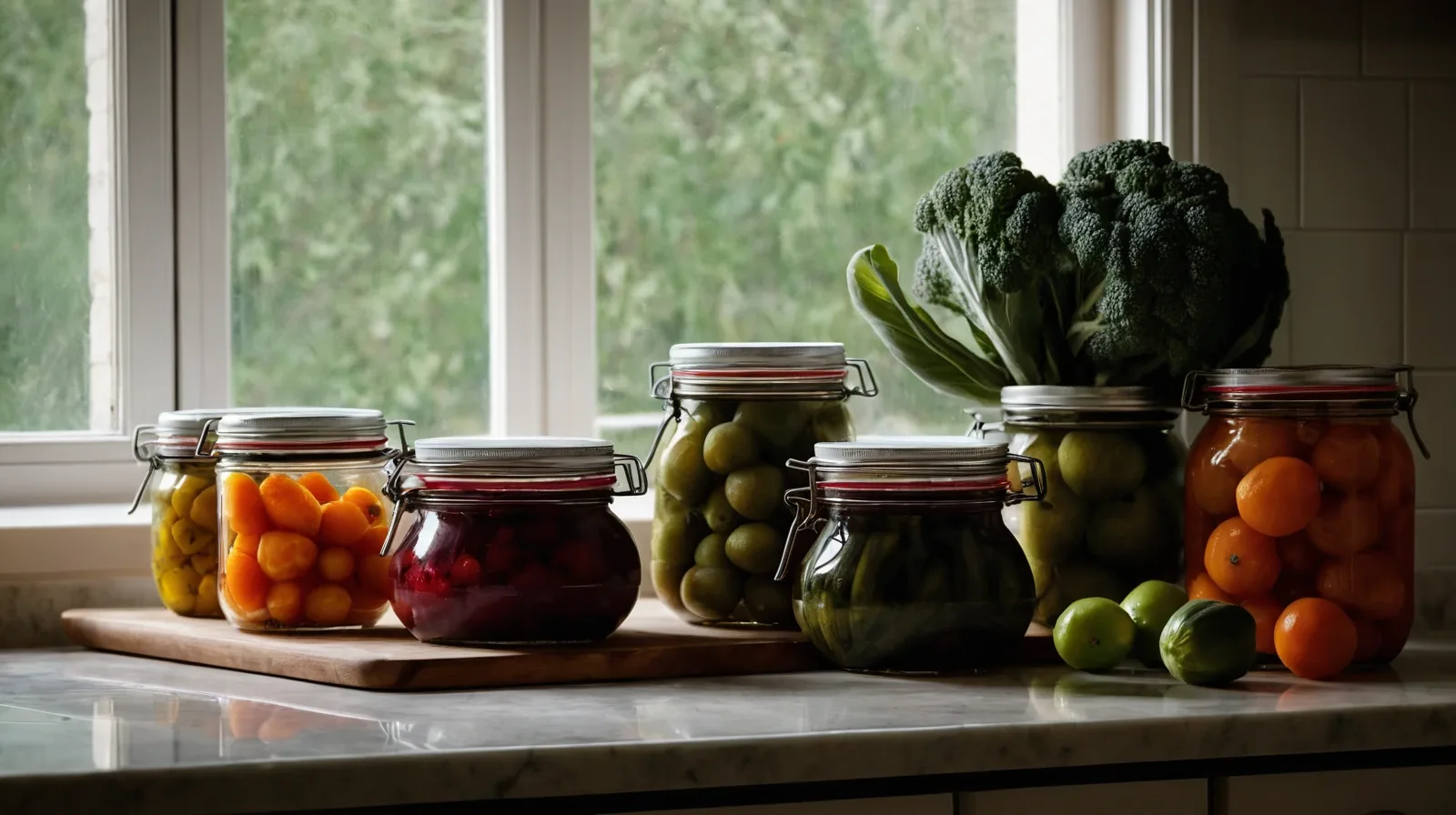
Pickling is more than just cucumbers in vinegar—it’s a time-honored method of preserving food that’s surprisingly simple. Let’s break down the science and techniques behind this age-old practice.
The Science Behind Pickling
Pickling is essentially a form of food preservation that uses an acidic medium to inhibit bacterial growth. The most common acid used is acetic acid, found in vinegar. But pickling isn’t just about vinegar; it can also involve fermentation, a natural process that uses beneficial bacteria to create lactic acid.
Vinegar Pickling: The Fast Track
This is the pickling method you’re probably most familiar with. It’s quick and doesn’t require much more than submerging your produce in a brine of vinegar, water, salt, and spices. The acidity (usually a pH of 4.6 or lower) creates an environment hostile to spoilage organisms.
Fermentation: The Flavorful Path
Unlike vinegar pickling, fermentation is a slower process that relies on the natural bacteria present on the surface of vegetables. These bacteria convert sugars into lactic acid, creating a tangy, probiotic-rich environment. Think sauerkraut or kimchi. It’s a bit like magic, but it’s really just science at work.
Essential Pickling Techniques
Ready to get your hands dirty? Here’s how to get started with two main techniques.
Quick Pickling
- Combine 1 cup of vinegar with 1 cup of water and 1 tablespoon of salt.
- Bring to a boil, then pour over your vegetables of choice.
- Let it cool before sealing in an airtight container. Refrigerate for at least 24 hours before enjoying.
Fermented Pickling
- Prepare your vegetables by washing and cutting them.
- Pack tightly into a jar with 1-2 tablespoons of salt per quart of vegetables.
- Press down until submerged in their own juices, cover, and wait. Check daily and press down any vegetables that float to the surface.
- Fermentation typically takes 1-4 weeks, depending on temperature and personal taste preference.
Pro Tips for Pickling Success
Here are some tried-and-true tips to ensure your pickling adventures are a success:
- Use Fresh Ingredients: Fresh produce yields the best flavor and texture.
- Sterilize Your Jars: Even though you’re using an acidic medium, it’s always good to start with clean equipment.
- Keep Everything Submerged: Air is the enemy of pickles. Use weights or an airlock to keep vegetables under brine.
- Experiment with Spices: Garlic, dill, mustard seeds, and peppercorns are classic additions, but don’t be afraid to get creative.
Mini FAQ
Can I use store-bought brine for pickling?
Absolutely! Store-bought brines can be a great shortcut, but always check the ingredients and acidity levels to ensure they’re suitable for pickling.
How long do pickled foods last?
Refrigerated pickled foods typically last 1-2 months. Fermented pickles can last even longer, as long as they stay submerged and refrigerated.
Closing Thoughts
Pickling is a delightful dance of science and creativity. Whether you’re drawn to the immediacy of vinegar pickling or the complex flavors of fermentation, there’s a method out there for you. So grab your favorite veggies, some vinegar or salt, and start experimenting. Happy pickling!