Cooking for Heat Lovers: Layering Spice Without Overwhelming
Spice up your dishes like a pro without scorching your guests' taste buds. Here’s how to layer heat effectively.
Introduction
Are you a fan of the fiery kick that comes with spicy food? Or perhaps you're cooking for someone who lives for the heat? Balancing spice is an art form, and today we're diving into how to layer it expertly without turning your dishes into a tongue-searing ordeal.
Understanding Heat Levels
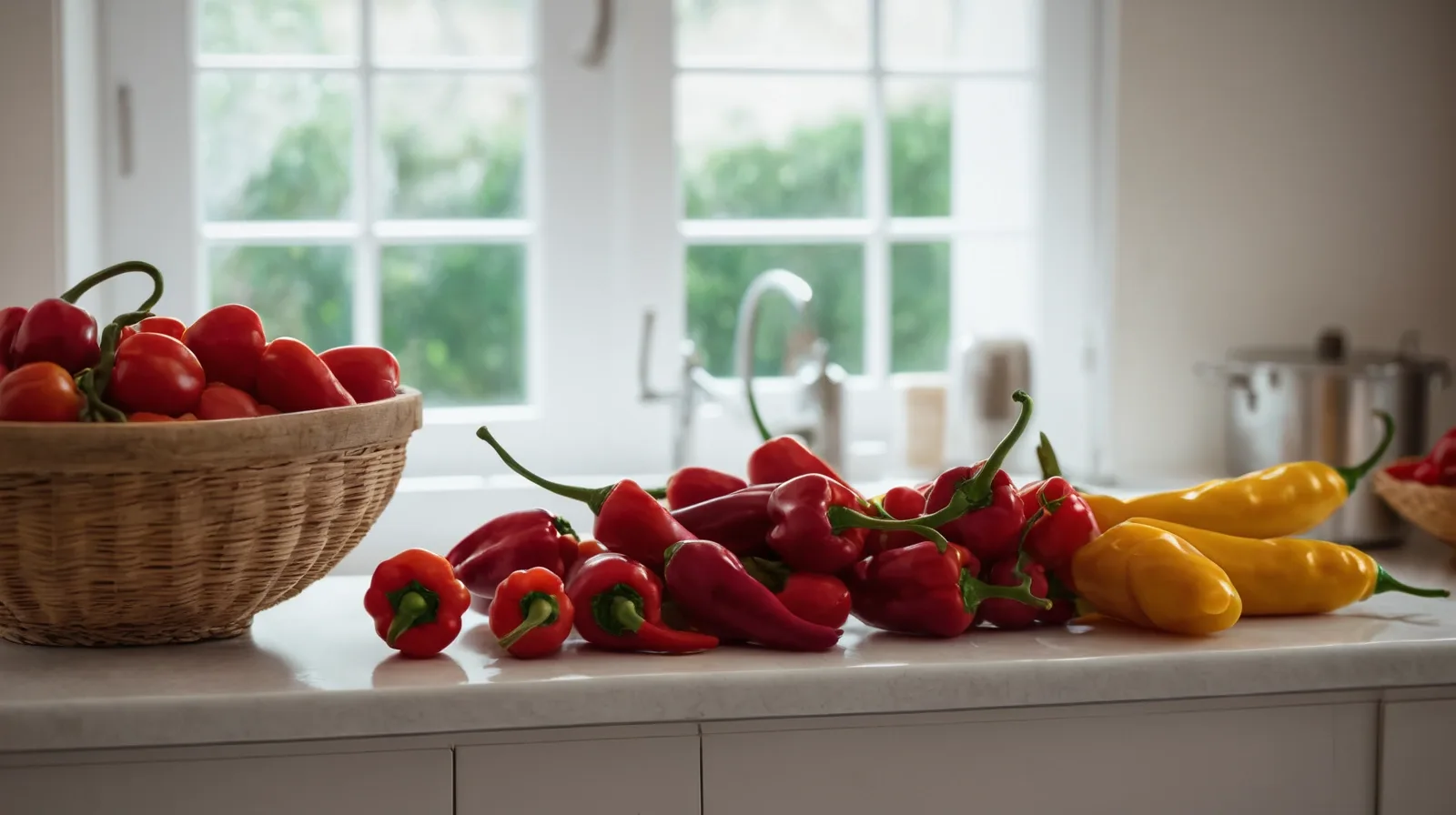
Not all heat is created equal. The Scoville scale measures the spiciness of peppers, and understanding it can help you manage your expectations and your guests' reactions.
Start Low and Go Slow
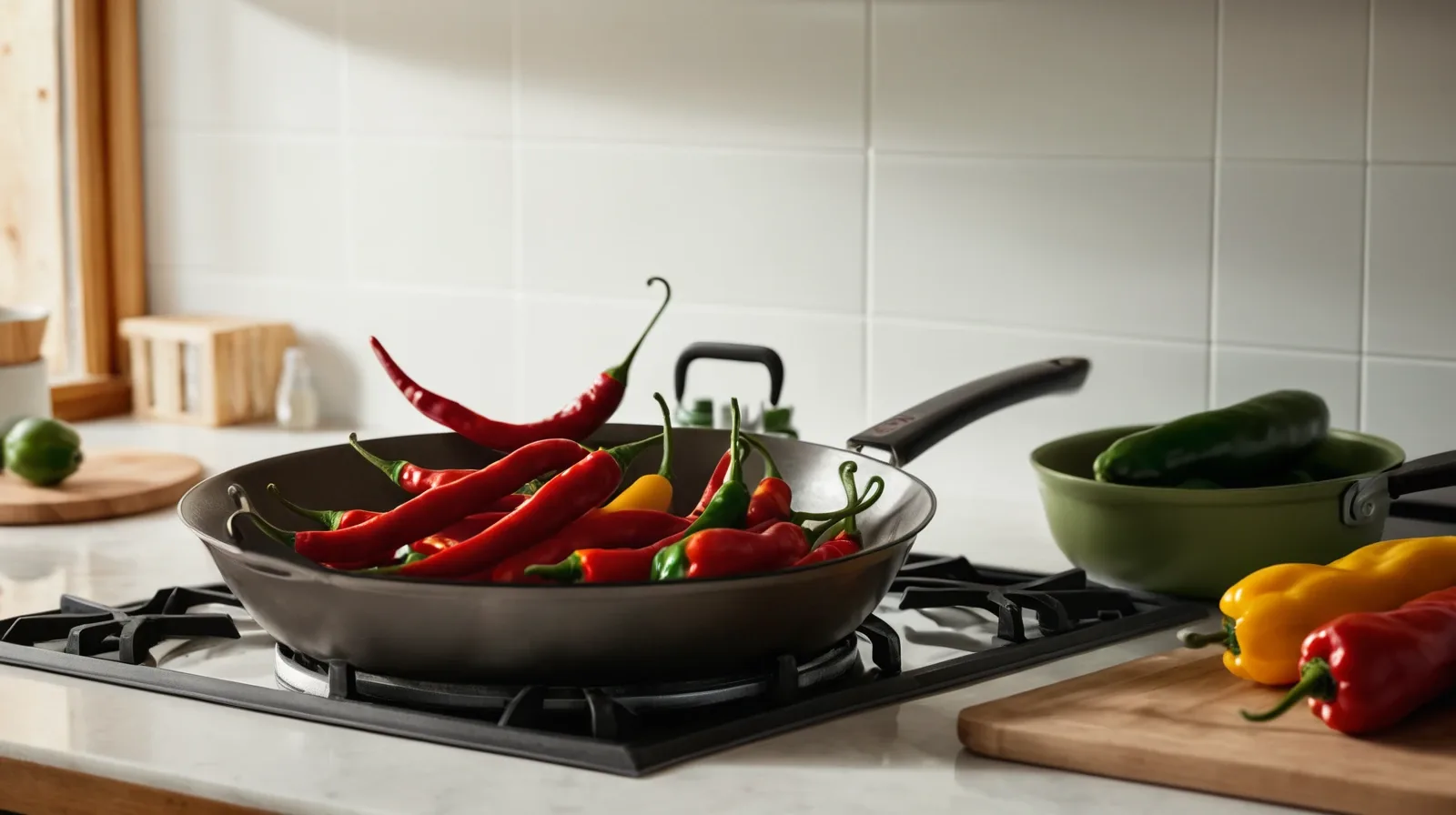
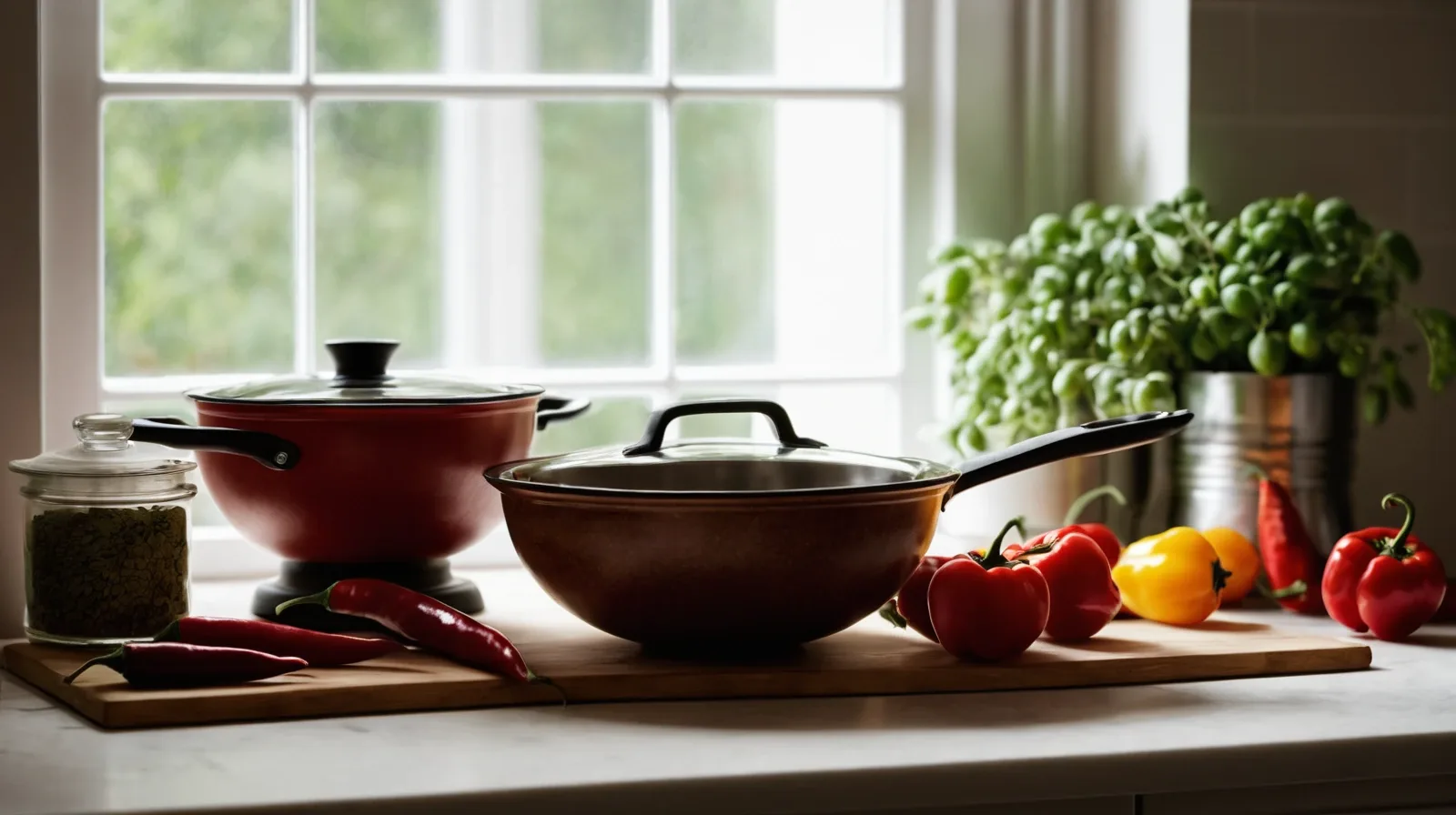
- Begin with milder peppers like jalapeños and work your way up to habaneros if you want more heat.
- Fresh peppers pack a different punch than dried, so adjust accordingly.
Building Flavor Foundations
Before you introduce heat, build a solid base of flavors that will stand up to the spice.
Use Aromatics
Onions, garlic, and ginger not only add layers of flavor but also help to balance the heat. Sauté them until soft for a mellow sweetness.
Layering Techniques
The key to successful spice layering is subtlety and timing.
Spice Infusion
Infuse oils or broths with spices like cumin, coriander, and cardamom before adding chilies. This ensures a complex, well-rounded dish.
Gradual Introduction
Add heat in stages - start with a pinch, taste, and adjust. Remember, you can always add more, but you can't take it away.
Choosing Your Arsenal
Not all spices are just for heat; many contribute unique flavors that complement the burn.
- Smoky Chipotle: Adds depth and a touch of sweetness.
- Fiery Cayenne: Provides straight-up heat.
- Fragrant Saffron: Offers a luxurious, subtle flavor that contrasts with heat.
Pairing with Cooling Ingredients
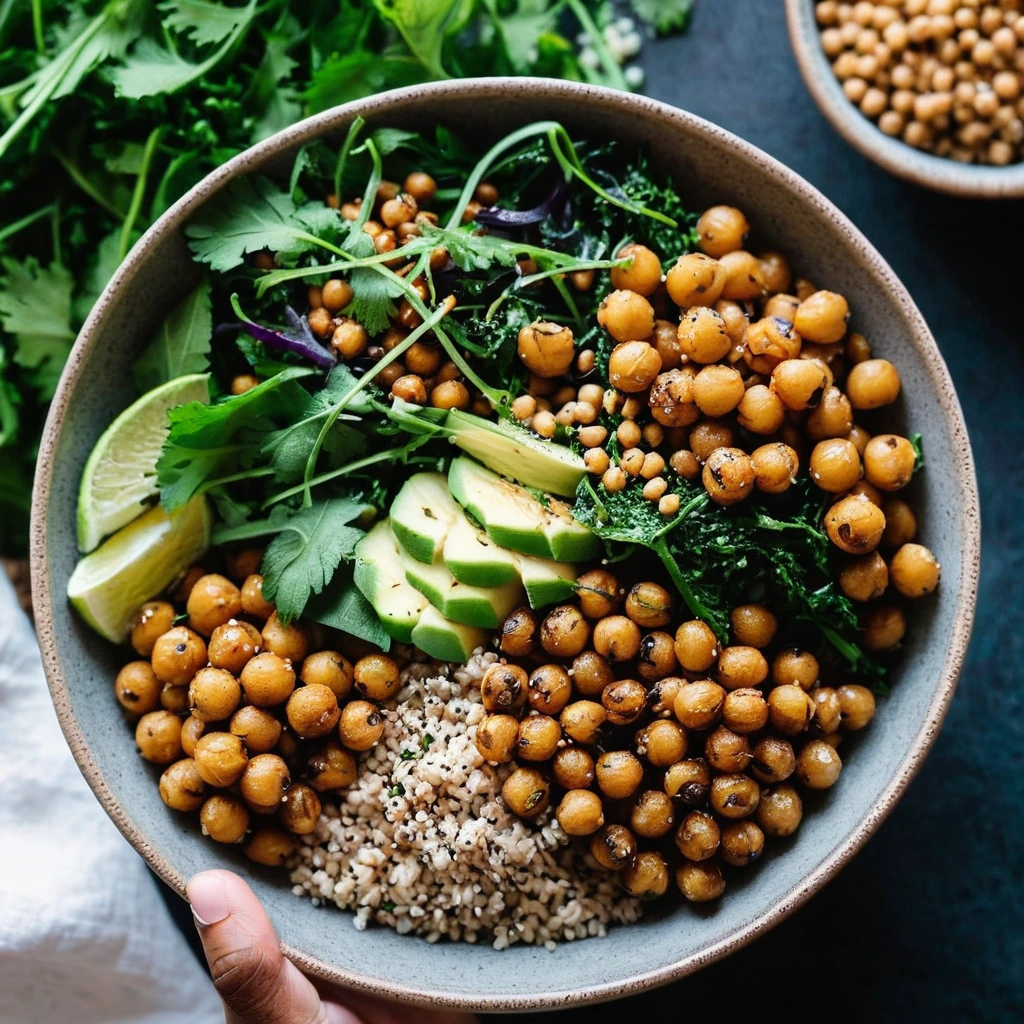
Balance is key. Cooling ingredients like yogurt, coconut milk, and avocado can tame the flames and provide relief.
Pro Tips for Cooling Down
- Finish your dish with a dollop of cooling yogurt or sour cream.
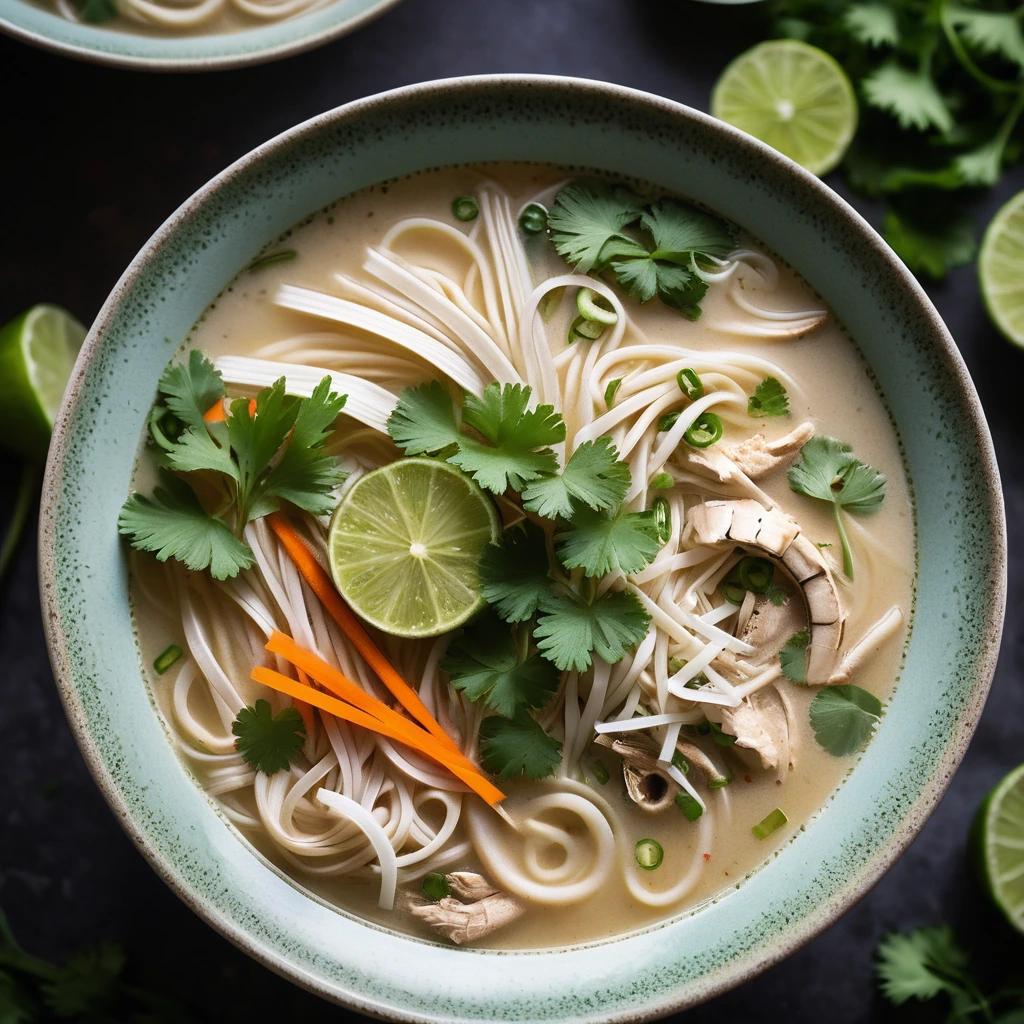
- Incorporate creamy coconut milk into curries for a soothing effect.
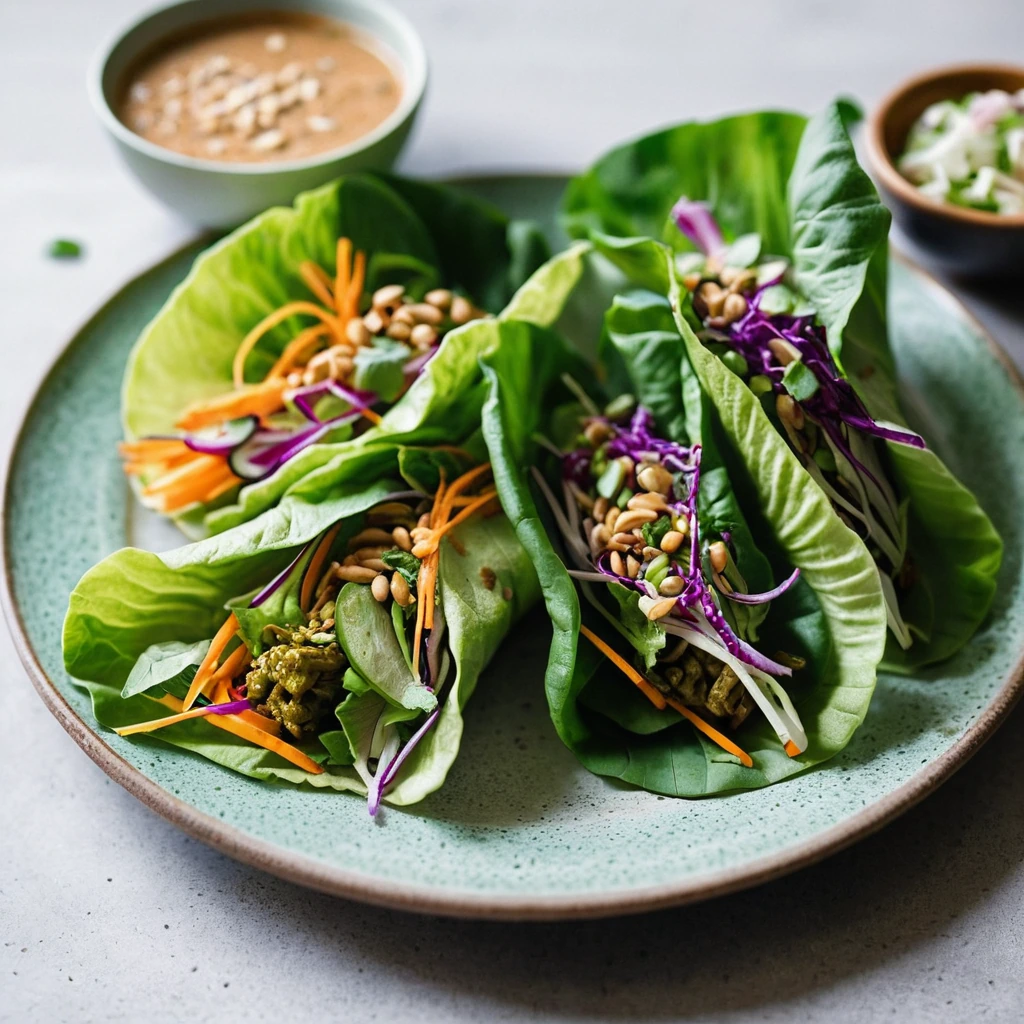
- Slice up some avocado to serve alongside for a refreshing counterpoint.
Mini FAQ
Can I reduce the heat after cooking?
Unfortunately, once the heat is in, it's difficult to remove. However, adding dairy or starchy ingredients like rice can help mellow it out slightly.
How do I prevent spice burn when handling chilies?
Always wear gloves and avoid touching your face. Wash your hands thoroughly with soap and water afterwards.
Closing Thoughts
Cooking for heat lovers doesn't mean creating a culinary challenge course. It's about crafting a symphony of flavors where spice plays a starring role but doesn’t steal the entire show. Use these tips to layer your spices thoughtfully, and you'll have your guests reaching for seconds instead of milk cartons.