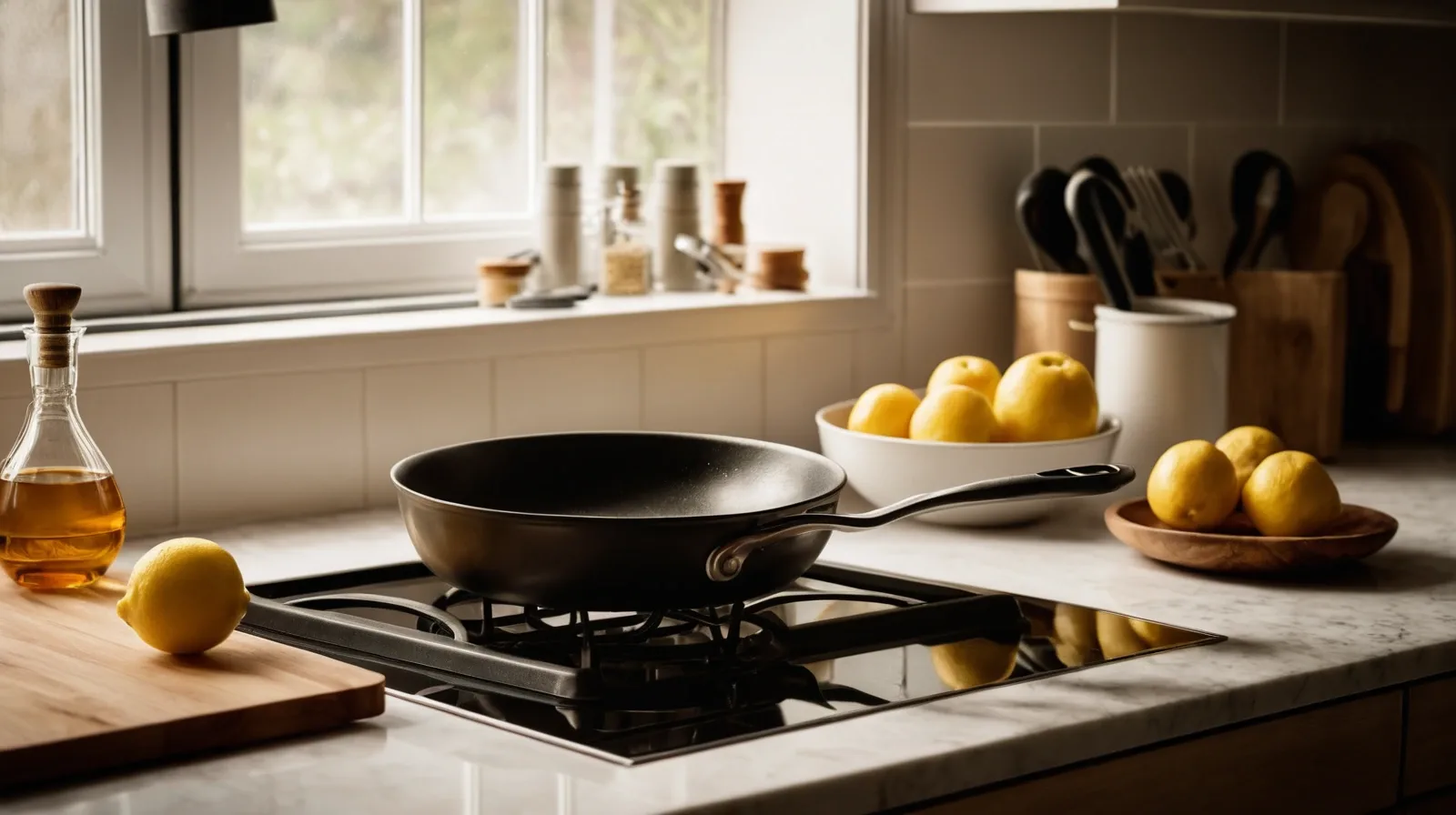
Acid, Fat, Salt, Heat: Putting the Framework to Work at Home
Discover how to harness the power of acid, fat, salt, and heat to transform your home cooking into restaurant-quality meals.
Introduction to the Culinary Framework
Cooking is part science, part art, and with the right framework, it can become a delightful experiment every time you step into the kitchen. Enter the acid, fat, salt, heat framework – a culinary compass that guides home cooks to create balanced, mouthwatering dishes. Whether you're a seasoned chef or a kitchen novice, understanding these four elements can transform your cooking.
The Role of Acid
Acid is the zesty spark plug of flavor. It wakes up your taste buds and cuts through richness. Think of lemon wedges with grilled fish or a splash of vinegar in your greens. Here’s how to work with acids:
- Use citrus juices, vinegars, or fermented condiments like kimchi juice to add brightness.
- Balance acids with sweetness to avoid overpowering your dish.
The Richness of Fat
Fat is flavor's best friend. It carries aromas and adds mouthfeel. From olive oil to butter, here are some tips:
- Choose fats based on their smoke points for different cooking methods.
- A drizzle of high-quality olive oil can be the finishing touch to a simple pasta.
The Magic of Salt
Salt isn’t just for making things taste salty. It enhances all flavors. Here's how to use it effectively:
- Salt early to draw out moisture and flavor in proteins like chicken or steak.
- Finish with a sprinkle of flaky sea salt for texture and flavor.
The Power of Heat
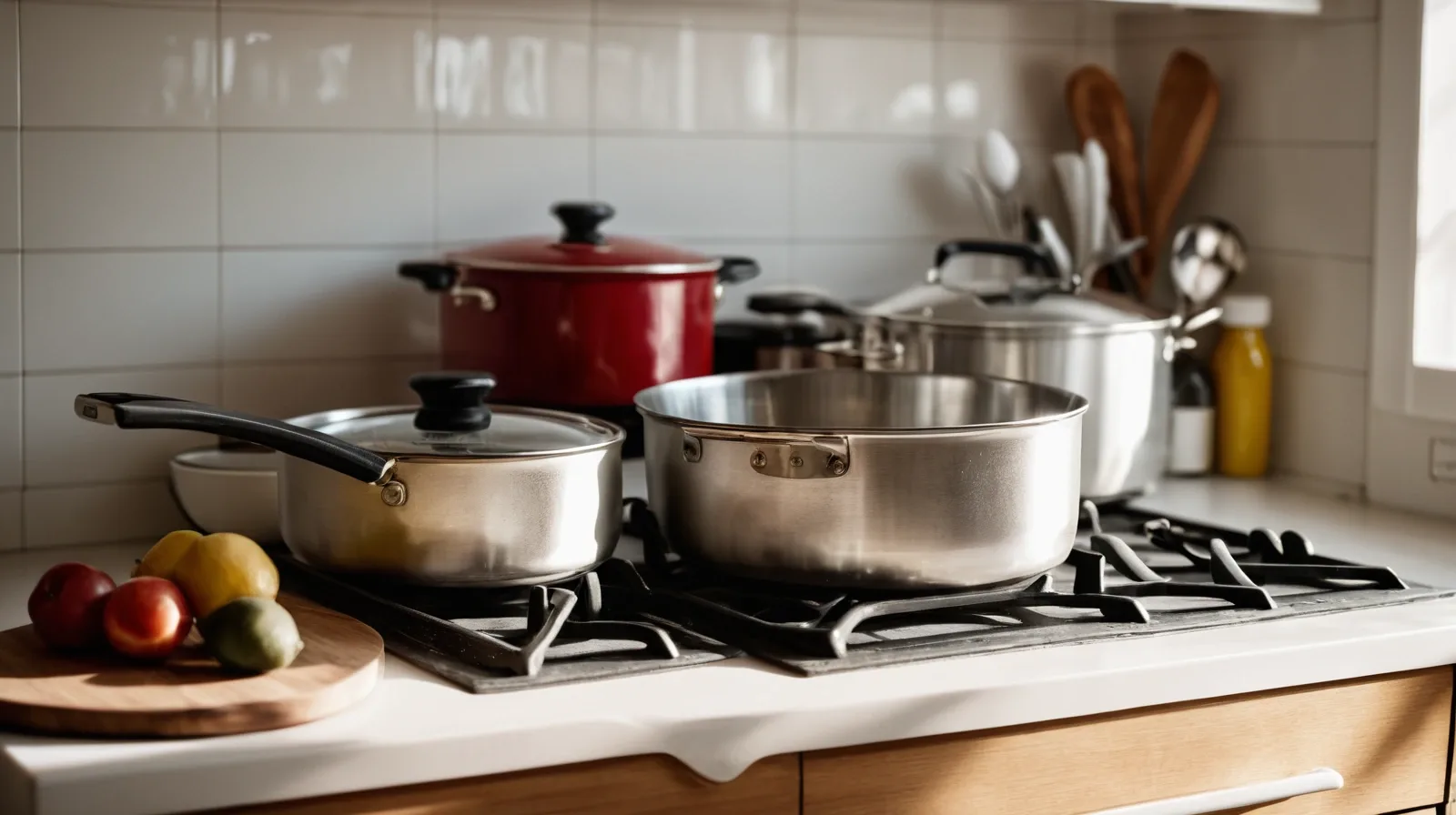
Heat transforms raw ingredients into comforting meals. Here’s how to control and utilize it:
- Start with a hot pan to achieve a perfect sear.
- Simmer gently to meld flavors without breaking down delicate ingredients.
Putting It All Together
Now that you know the roles of each component, let's cook! Here’s a simple recipe to illustrate:
Pan-Seared Chicken with Lemon and Herbs
- Salt your chicken breasts and let them rest at room temperature.
- Heat a tablespoon of olive oil in a pan until shimmering.
- Sear the chicken skin-side down until golden, then flip and cook through.
- Deglaze the pan with a splash of lemon juice and fresh herbs.
This recipe showcases how each element works in harmony to create a juicy, flavorful dish.
Mini FAQ
Can I use this framework for vegetarian dishes?
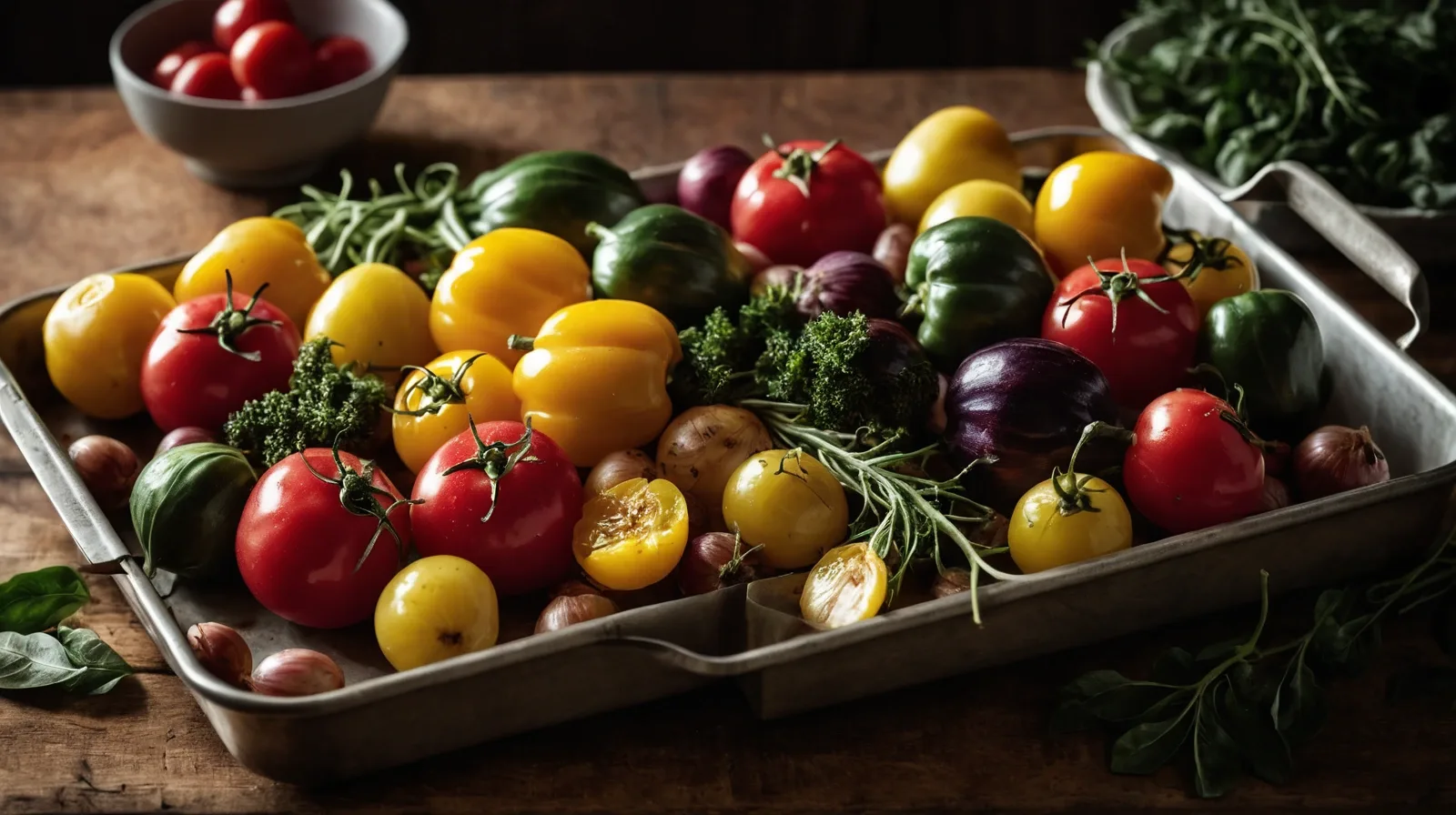
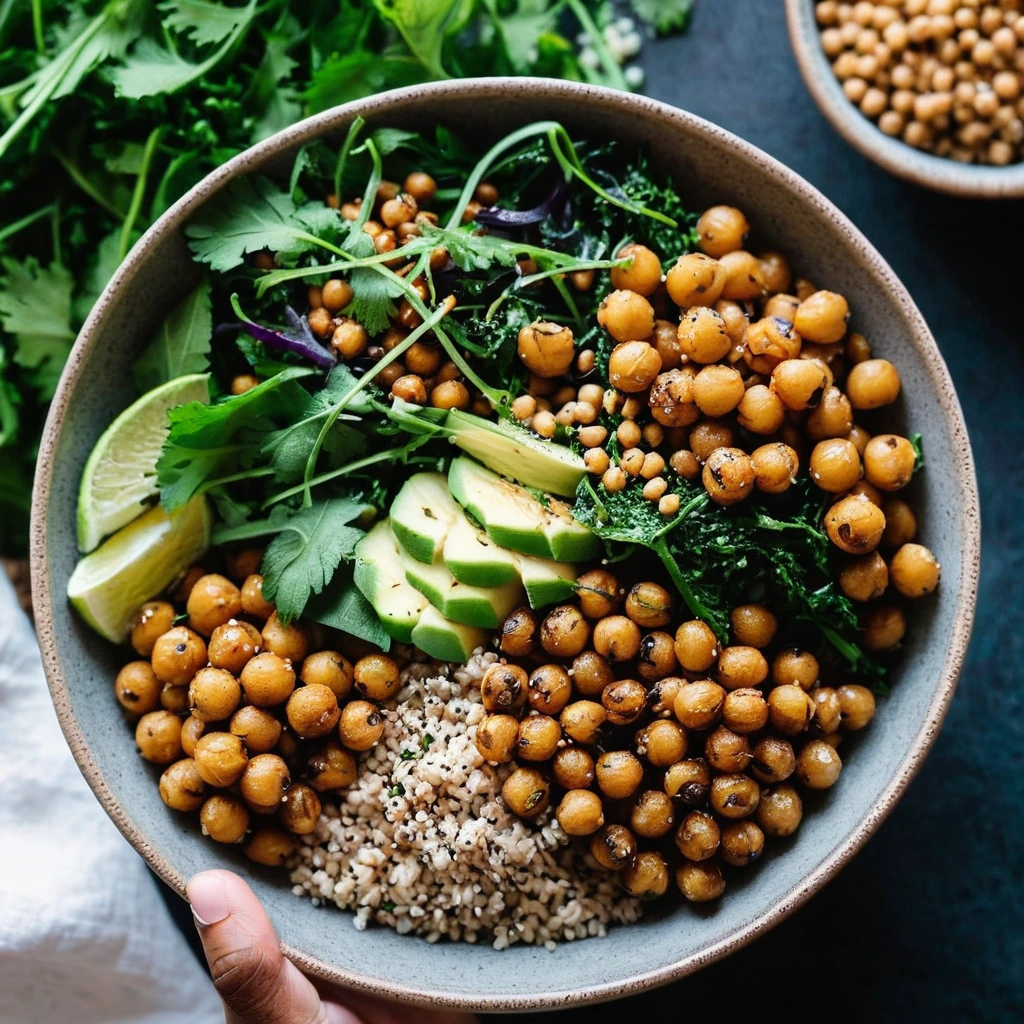
Absolutely! Acids like balsamic vinegar, fats like avocado oil, and techniques like roasting can bring out the best in veggies.
What if I don’t have a specific type of acid or fat?
Get creative! Substitute with what you have. A squeeze of lime can stand in for lemon, and nut oils can replace olive oil for an interesting twist.
Closing Thoughts
Cooking doesn’t need to be complicated. By understanding and applying the principles of acid, fat, salt, and heat, you can turn everyday meals into extraordinary experiences. Remember, the kitchen is your playground – have fun experimenting and tasting your way to culinary mastery.