The Science of Crispy Fried Foods
Discover the chemistry behind achieving that perfect crunch in your fried foods. Learn how to transform ordinary ingredients into crispy delights.
Introduction to Crispy Fried Foods
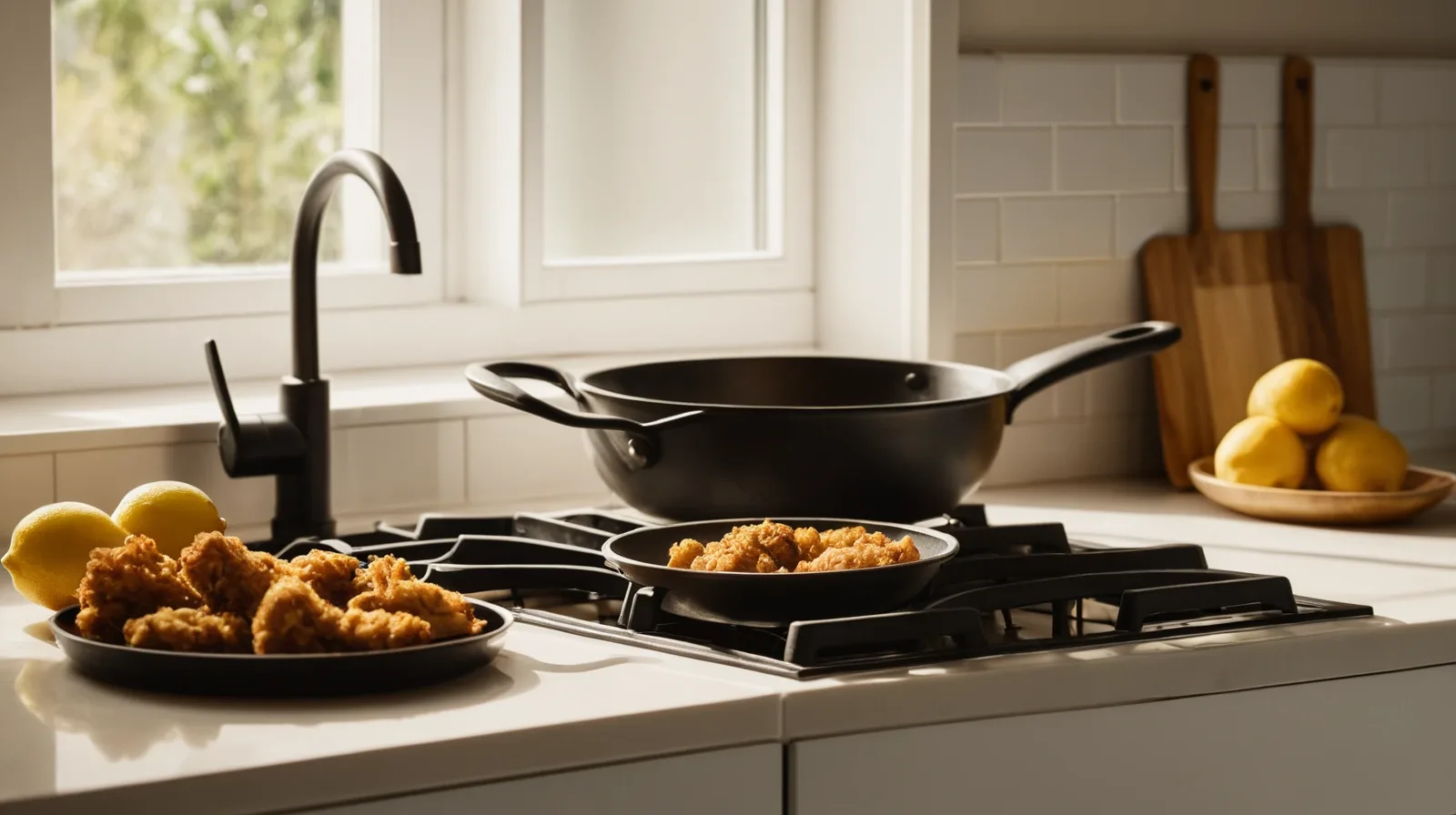
Let's face it: there's something undeniably satisfying about biting into a piece of crispy fried food. Whether it's golden brown chicken, a stack of latkes, or a pile of French fries, that initial crunch is music to our ears and taste buds. But what makes fried food crispy? And how can you replicate that perfect texture at home?
The Chemistry Behind the Crunch
At its core, achieving crispy fried foods is a dance between heat and moisture. When oil reaches temperatures around 350°F to 375°F (175°C to 190°C), magic happens. The water inside the food turns to steam, expanding and creating a fluffy interior, while the exterior rapidly dehydrates, forming a crispy crust.
The Role of Oil
Oil isn't just a medium for cooking; it's a crucial component in creating that sought-after crunch. High smoke point oils like peanut, canola, or vegetable oil are ideal because they can maintain their stability at high temperatures without breaking down and imparting off-flavors.
Batter and Breadcrumbs
The right coating can make or break your fried masterpiece.
A good batter or breadcrumb coating adds layers of texture. The key is to ensure the coating adheres well to the food and sets quickly once it hits the oil. This often involves a combination of flour, eggs, and seasonings for batters, or a dip in beaten egg followed by a roll in breadcrumbs for a crustier finish.
Tips for Perfectly Crispy Fried Foods
- Dry Your Food: Pat your food dry before frying. Less moisture means faster crisping and less oil absorption.
- Double Fry: Fry your food once at a lower temperature to cook it through, then crank up the heat for a quick second fry to achieve ultimate crispness.
- Rest After Frying: Allow your food to rest for a few minutes after frying. This can help maintain the crispness and prevent sogginess.
Common Mistakes and How to Avoid Them
Even with the best intentions, crispy perfection can sometimes evade us. Here are a few common missteps:
- Overcrowding the Pan: This lowers the oil temperature, leading to greasy, soggy results. Fry in batches if necessary.
- Using the Wrong Oil: Low smoke point oils can burn and ruin your dish. Stick to oils that can handle high heat.
- Not Maintaining Oil Temperature: Use a thermometer to keep your oil at the right temperature throughout the frying process.
Mini-FAQ
Can I reuse frying oil?
Absolutely! After cooling and straining, you can store oil in an airtight container for future use. However, oil does degrade with each use, so keep an eye on its quality.
Why is my fried food greasy?
Greasy food often results from oil that's too cool. Ensure your oil is at the correct temperature before adding food to prevent absorption.
Closing Thoughts
Creating crispy fried foods at home is both an art and a science. By understanding the basics of heat transfer, moisture control, and the importance of oil selection, you're well on your way to frying perfection. Remember, practice makes perfect, so don't be discouraged if your first attempt isn't flawless. Happy frying!