The Science of Tender, Juicy Chicken Breasts
Unlock the secrets to perfectly tender and juicy chicken breasts every time with science-backed techniques that elevate your home cooking.
Why Chicken Breasts Can Be Such a Challenge
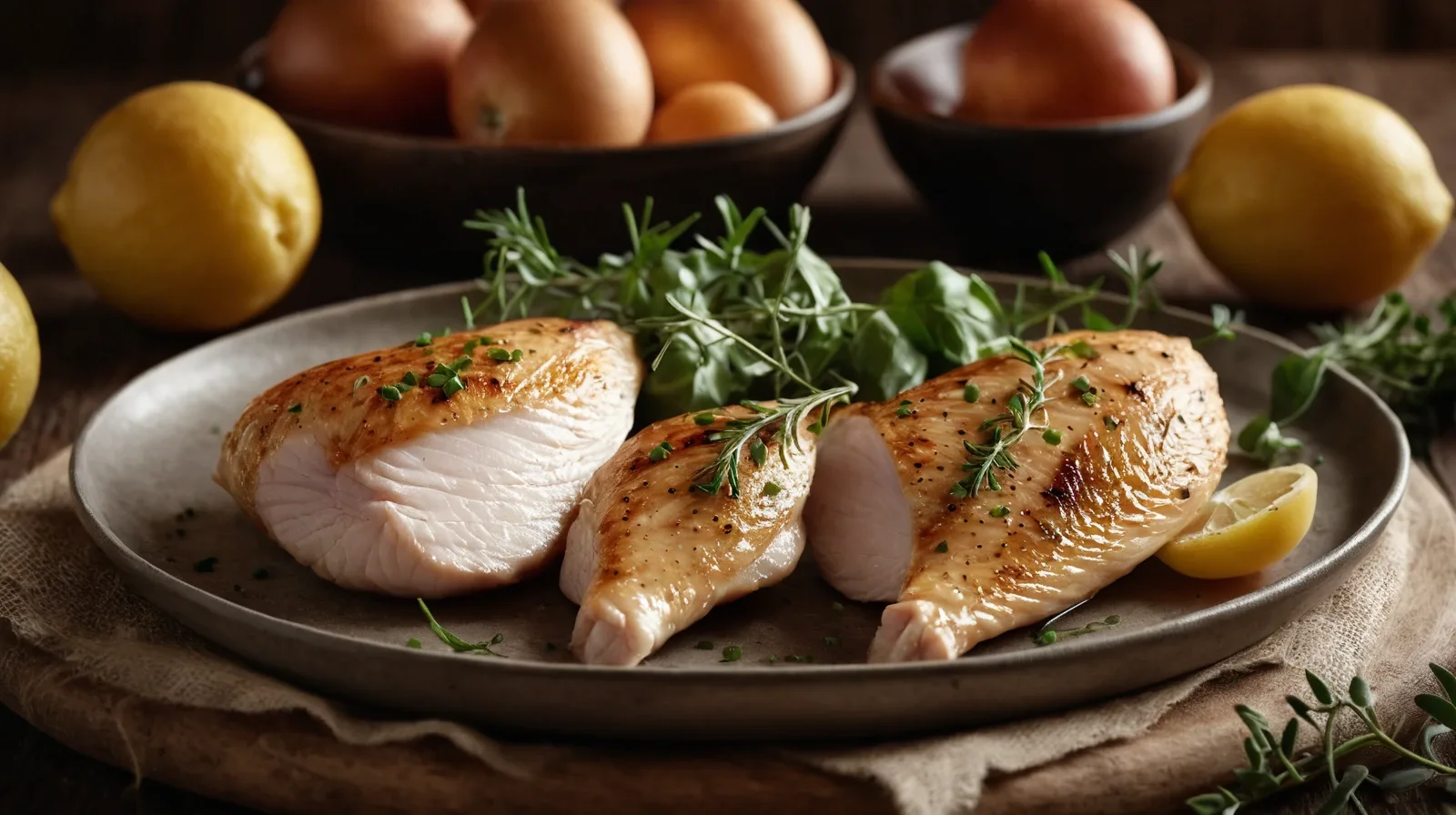
Let’s face it, chicken breasts have a bit of a reputation problem. They can easily morph into dry, rubbery disasters if you blink wrong. But why is that?
The Science Behind Dry Chicken
Chicken breasts are lean, which is great for health but not so much for moisture retention. When overcooked, proteins tighten and squeeze out all the delicious juices, leaving you with something akin to eraser shavings rather than a succulent meal.
Brining: The Liquid Lock-In
Brining is your first line of defense. It’s simple: dissolve 1/4 cup of kosher salt in 4 cups of water and submerge your chicken for at least 30 minutes (but no longer than 2 hours). The salt concentration works osmotically to pull water into the chicken fibers, ensuring it stays juicy during cooking.
Pro Tip: Add Flavor to Your Brine
Why not infuse your brine with aromatics like garlic, bay leaves, or peppercorns? It’s like giving your chicken a spa day with aromatherapy.
Temperature Control: The Key to Perfection
Here’s a shocker: medium heat is your friend. Start your chicken on medium heat to cook evenly without scorching the outside while the inside remains raw.
The Magic Temperature
Chicken is safe to eat when it reaches 165°F (74°C). But here’s a pro tip: take it out at 160°F (71°C) and let it rest. The residual heat will bring it up to the magic number while keeping it juicy.
Pounding to Uniformity
Uneven thickness leads to uneven cooking. Use a meat mallet or a rolling pin to pound your breasts to an even 1/2-inch thickness. This ensures they cook uniformly, sealing in moisture.
Resting is Crucial
After cooking, let your chicken rest for at least 5 minutes. This allows the juices to redistribute, ensuring each bite is as succulent as the last.
Cooking Methods: Choose Wisely
Different methods suit different outcomes. Here’s a quick rundown:
- Grilling: Ideal for a smoky flavor, but watch those flames to avoid charring.
- Oven Roasting: Use a preheated oven at 375°F (190°C) for even cooking.
- Sautéing: Perfect for weeknight dinners, just make sure your pan is properly preheated.
Mini-FAQ
Can I brine chicken overnight?
While longer brining can infuse more flavor, it's not recommended for chicken breasts. Stick to 30 minutes to 2 hours to avoid a salty surprise.
What’s the best way to check doneness?
A meat thermometer is your best friend. Check the thickest part of the breast to ensure it’s hit that perfect 165°F (74°C).
Closing Thoughts
Perfectly tender and juicy chicken breasts aren’t just beginner’s luck—it’s about understanding the science and applying a few simple techniques. Now go forth and conquer the chicken breast with confidence. Your dinner guests will thank you.