The Difference Between Stock, Broth, Bone Broth, and Bouillon
Navigating the world of liquid cooking bases can be confusing. Let's break down the distinctions between stock, broth, bone broth, and bouillon, and when to use each.
The Liquid Foundations of Flavorful Cooking
Have you ever stood in front of a soup recipe, pondering whether to use stock, broth, bone broth, or bouillon? Fear not, home cook, for we're here to unravel this culinary conundrum once and for all.
What is Stock?
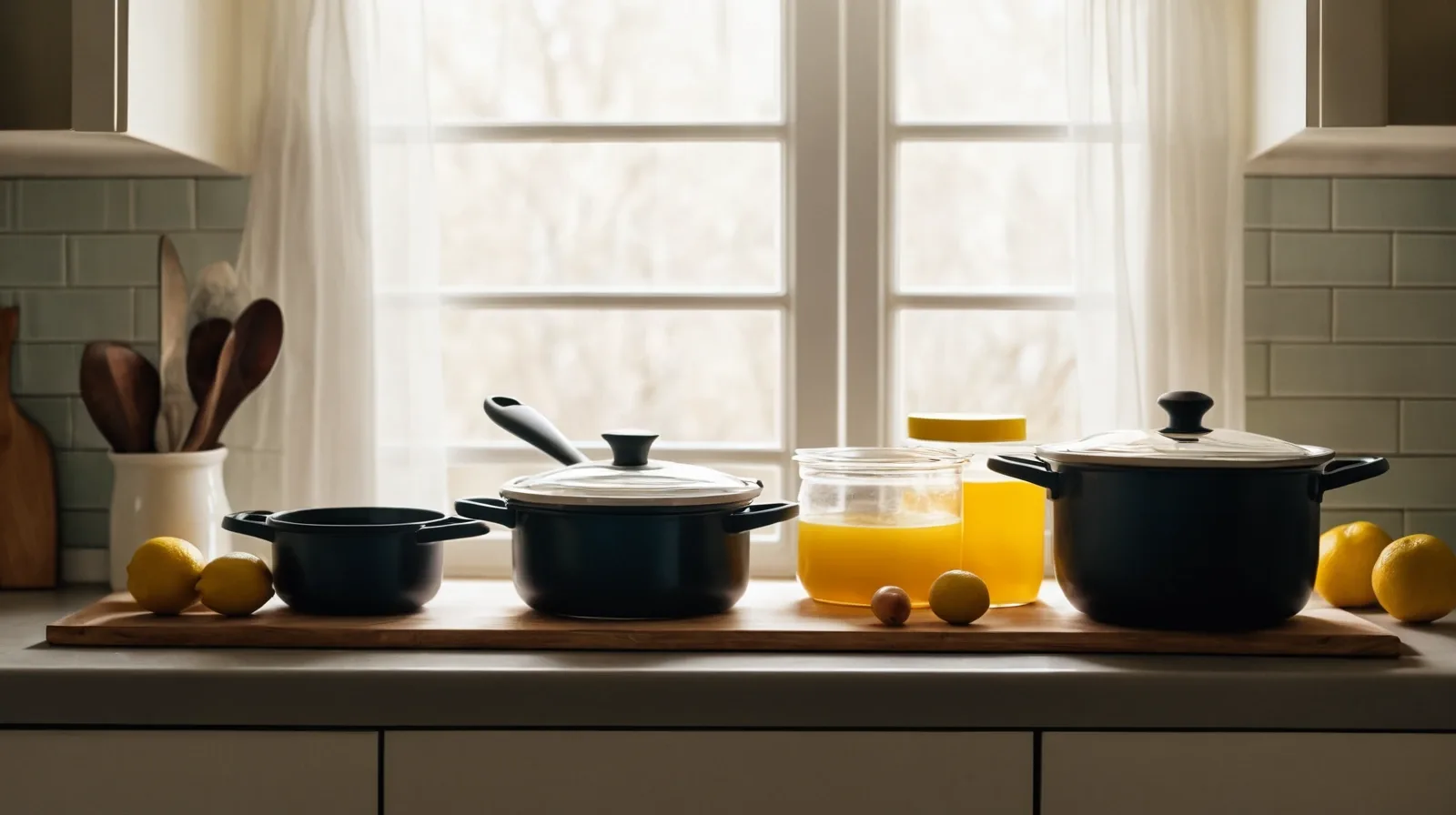
Stock is essentially the base camp for all soups and sauces. Made by simmering bones (and sometimes vegetables and aromatics) in water, stock is the unsung hero that provides depth of flavor. It's typically simmered for hours, allowing collagen from the bones to break down into gelatin, resulting in a silky texture. Pro tip: Use stock when you want a neutral canvas for your culinary creation.
Broth: The Soupier Cousin
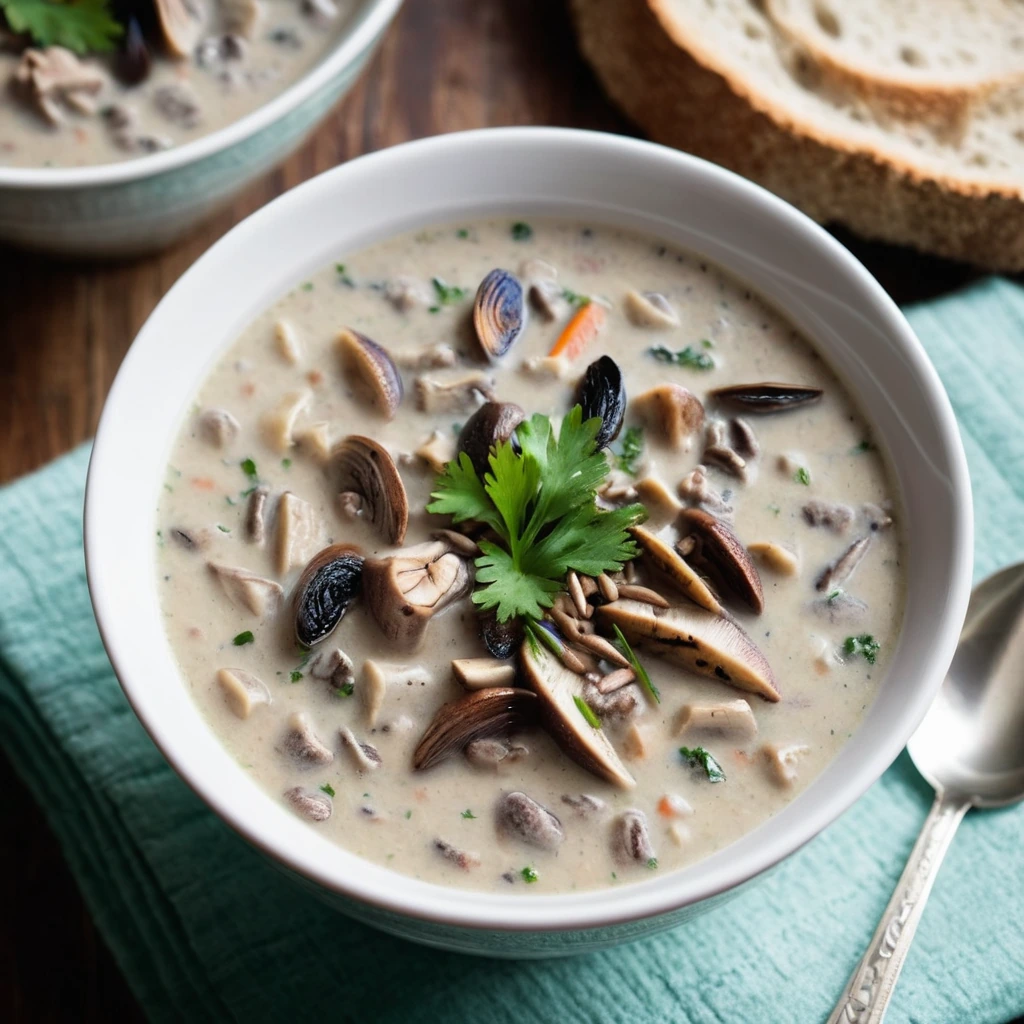
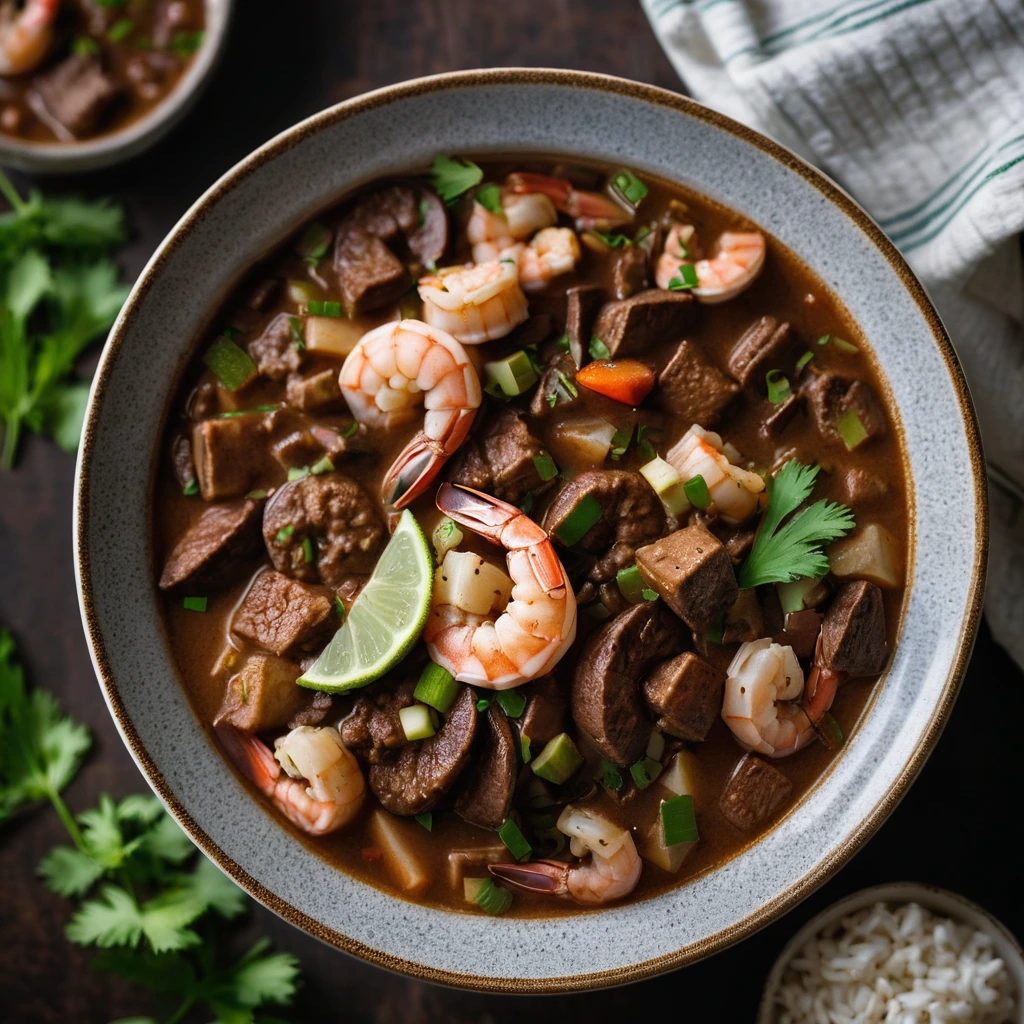
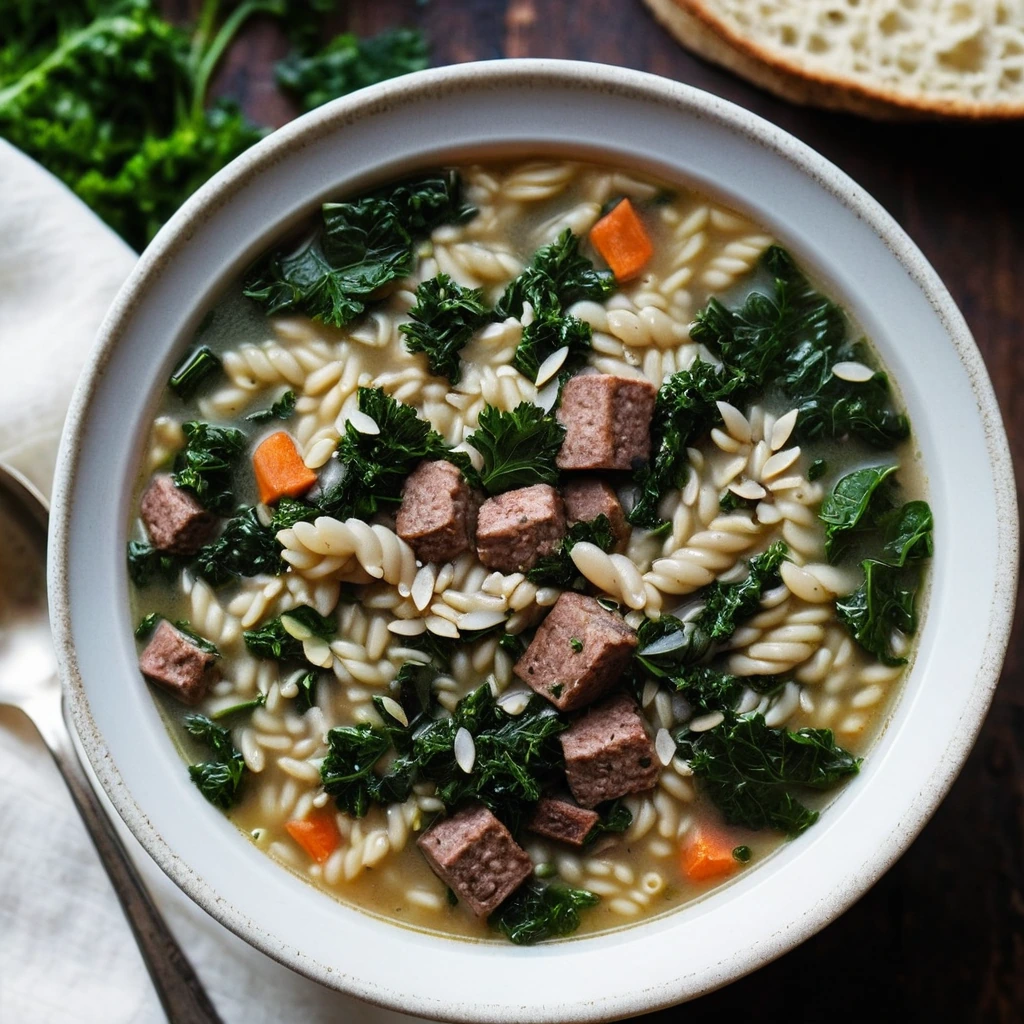
Broth is like stock's more flavorful sibling. It's made with bones too, but also features a hearty helping of vegetables, herbs, and spices. Simmered for a shorter time than stock, broth is often seasoned and ready to be slurped straight from the spoon. Think chicken noodle soup – that's broth in action.
Bone Broth: The Marathon Simmer
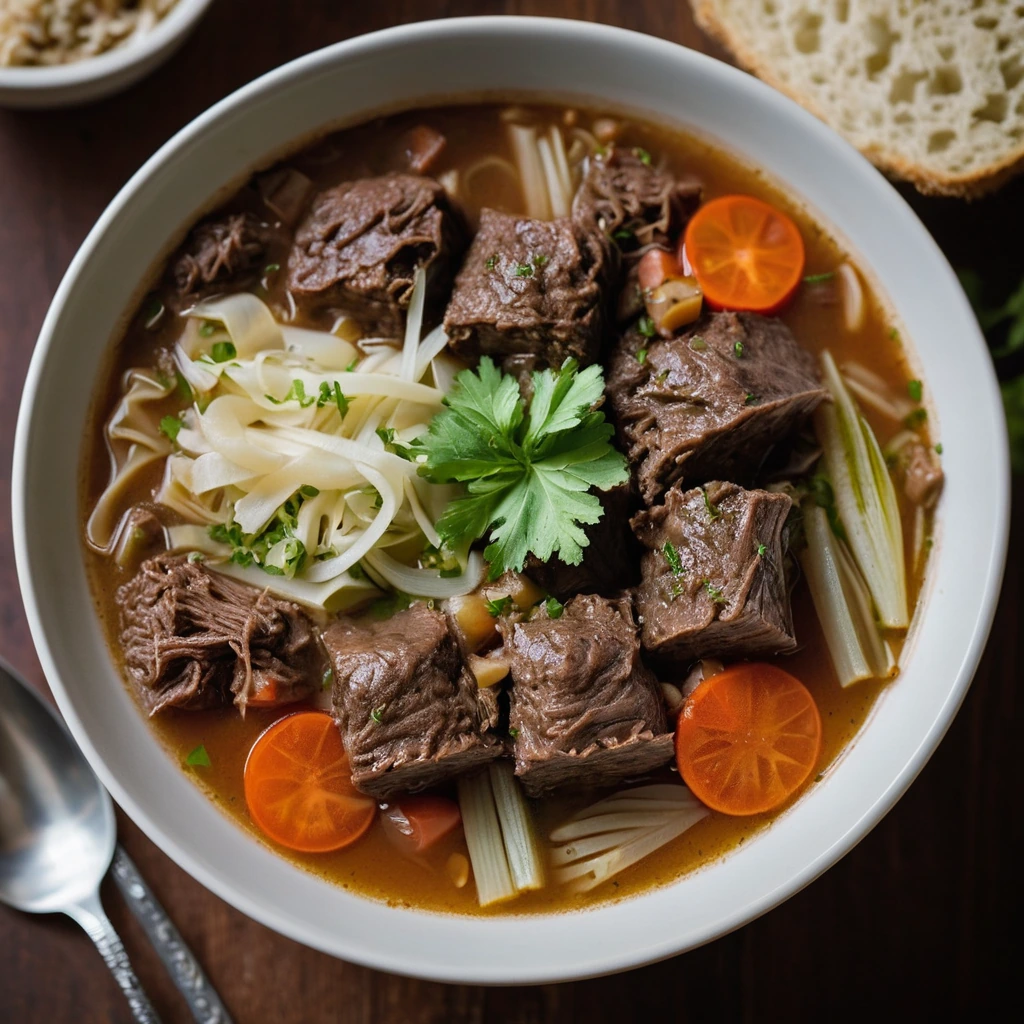
Bone broth is stock's intense, health-conscious cousin. It's made from simmering animal bones for an extended period – we're talking 24 to 72 hours. This marathon simmer is meant to extract as many minerals and nutrients as possible from the bones. The result is a richly flavored, gelatinous elixir that's as nutritious as it is tasty.
Bouillon: The Convenient Cube
Bouillon is the quick fix in our family of cooking liquids. It comes in cubes or granules and is designed to dissolve in hot water to create an instant broth. Perfect for when you're pressed for time, bouillon is a concentrated concoction of stock or broth, seasonings, and often MSG for that savory umami punch.
When to Use Each
- Stock: Ideal for making soups, sauces, and rice dishes where you want to build layers of flavor gradually.
- Broth: Perfect for ready-to-eat soups and dishes where the cooking liquid is part of the meal itself.
- Bone Broth: Great for sipping on its own or as a nutrient-packed base for dishes when you've got the time to simmer.
- Bouillon: Your go-to when you need a quick broth for a recipe or to perk up instant noodles.
Actionable Tips for Using These Liquids
Here are some practical tips to help you decide which liquid to use and how to maximize their flavors:
- Make Ahead: Prepare a big batch of stock and freeze it in portions for future use. Homemade stock is always better than store-bought.
- Season Wisely: Remember that broth is usually seasoned, while stock is more neutral. Adjust your recipe's seasoning accordingly.
- Experiment: Try making your own bone broth for a weekend project. It's like giving your slow cooker a meaningful job.
- Dilute Bouillon: Follow package instructions for bouillon concentration, but don't be afraid to tweak it to your taste.
Mini-FAQ
Can I Use Broth Instead of Stock?
Absolutely! In a pinch, broth can stand in for stock. Just be mindful of the seasoning and adjust your recipe as needed.
Is Bone Broth Healthier?
Bone broth is packed with nutrients and gelatin, which some believe can benefit gut health. However, it's important to remember that no single food is a silver bullet for health.
What’s Better: Bouillon Cubes or Granules?
It really comes down to personal preference. Cubes are easy to measure and store, while granules dissolve quickly and can be easier to work with in recipes.
Closing Thoughts
Cooking is all about understanding your ingredients and knowing when to use them. Now that you're armed with the knowledge of stocks, broths, bone broths, and bouillons, you can confidently tackle any recipe that calls for these flavorful liquids. Remember, there's no right or wrong, just different tools for different culinary jobs. Happy cooking!