The Difference Between Sautéing and Pan-Frying
Discover the subtle yet crucial distinctions between sautéing and pan-frying, two foundational cooking techniques that can transform your dishes.
Introduction
Cooking is an art, and like any good artist, understanding your tools and techniques is crucial. Two techniques often confused are sautéing and pan-frying. They may seem similar at first glance, but they have distinct differences that can drastically affect your culinary outcomes.
What is Sautéing?
Sautéing is a quick cooking method that uses a small amount of fat over relatively high heat. The word'sauté' comes from the French word meaning 'to jump,' which refers to the tossing and flipping of ingredients in the pan. This technique is perfect for tender, small, or thin pieces of food that cook quickly, like vegetables, sliced meats, or shrimp.
Key Characteristics of Sautéing
- High heat for rapid cooking
- Small amount of fat
- Continuous stirring or tossing
What is Pan-Frying?
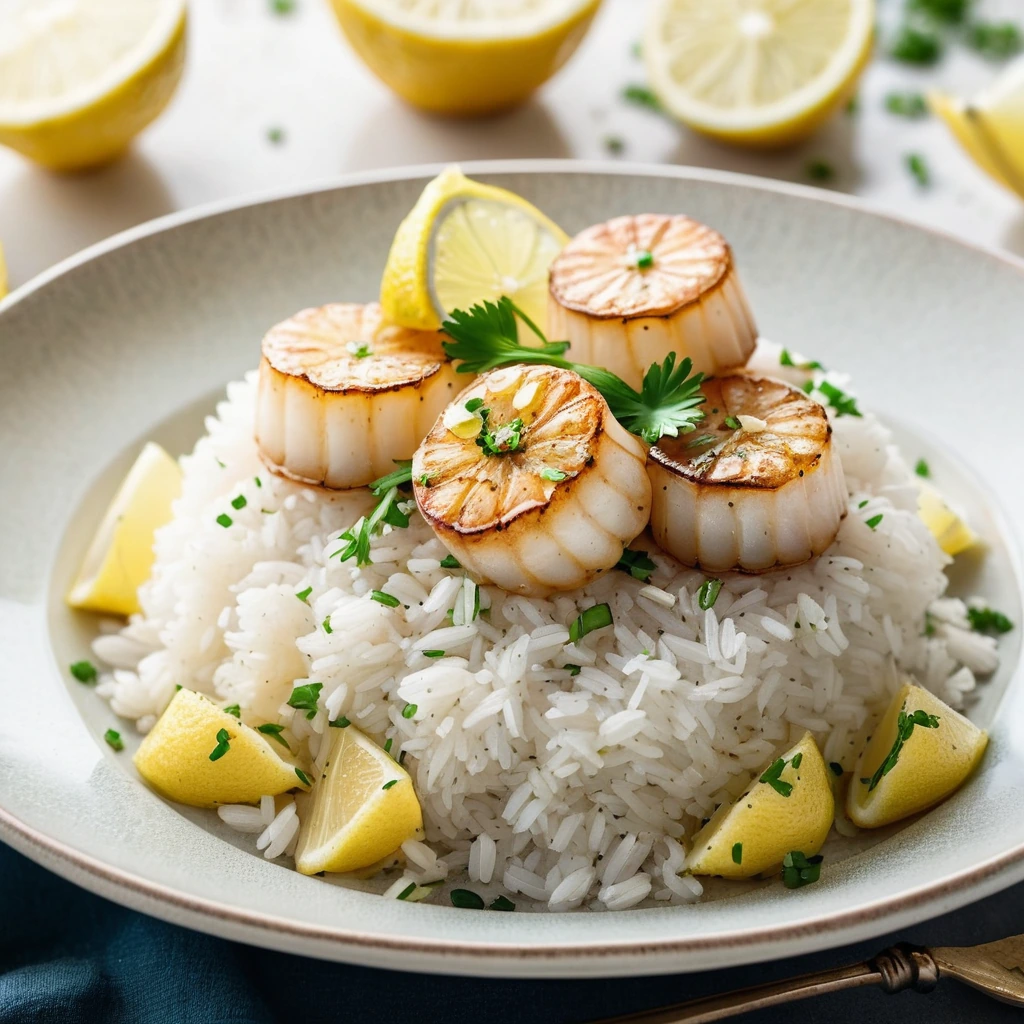
Pan-frying is a dry-heat cooking technique that uses more fat than sautéing and cooks food at a lower temperature for a longer period. It's ideal for thicker cuts of meat or fish, where you want to develop a golden crust while cooking through the center.
Key Characteristics of Pan-Frying
- Moderate heat for even cooking
- More fat than sautéing
- Less frequent turning of food
The Crucial Differences
While both techniques involve cooking food in a pan with fat, the devil is in the details:
- Heat Level: Sautéing requires high heat, while pan-frying uses moderate heat.
- Amount of Fat: Sautéing uses a small amount, while pan-frying requires enough to partially submerge the food.
- Cooking Time: Sautéing is quick, whereas pan-frying takes longer.
- Food Movement: In sautéing, you toss and stir often; in pan-frying, you let the food sit to develop a crust before flipping.
Choosing the Right Technique
Knowing when to sauté or pan-fry can make or break your dish. Here are some tips:
- For vegetables: Sautéing is your go-to for vibrant color and texture.
- For a steak: Pan-frying gives you that perfect sear and juicy interior.
Pro Tips for Success
Whether you're sautéing or pan-frying, here are some tips to ensure culinary success:
- Preheat your pan properly. A hot pan ensures a good sear and prevents sticking.
- Pat your ingredients dry. Moisture is the enemy of a good crust.
- Season well. Don't be shy with the salt and pepper.
Mini-FAQ
Can I use olive oil for both techniques?
Absolutely! Just be mindful of its smoke point when sautéing at high heat.
What if I don't have a pan large enough for sautéing?
Use a skillet or a wide frying pan. The key is to have enough surface area to move the food around easily.
Closing Thoughts
Mastering the art of sautéing and pan-frying is like having two secret weapons in your culinary arsenal. Each technique brings its own flair to the table, and knowing when to use them can elevate your home cooking to restaurant-worthy levels. So grab your pan, heat it up, and start experimenting! After all, the best way to learn is by doing.