How to Roast a Chicken Like a Pro
Unlock the secrets to roasting a perfect chicken every time, from prep to plate, with expert tips and tricks.
The Ultimate Guide to Roasting a Chicken
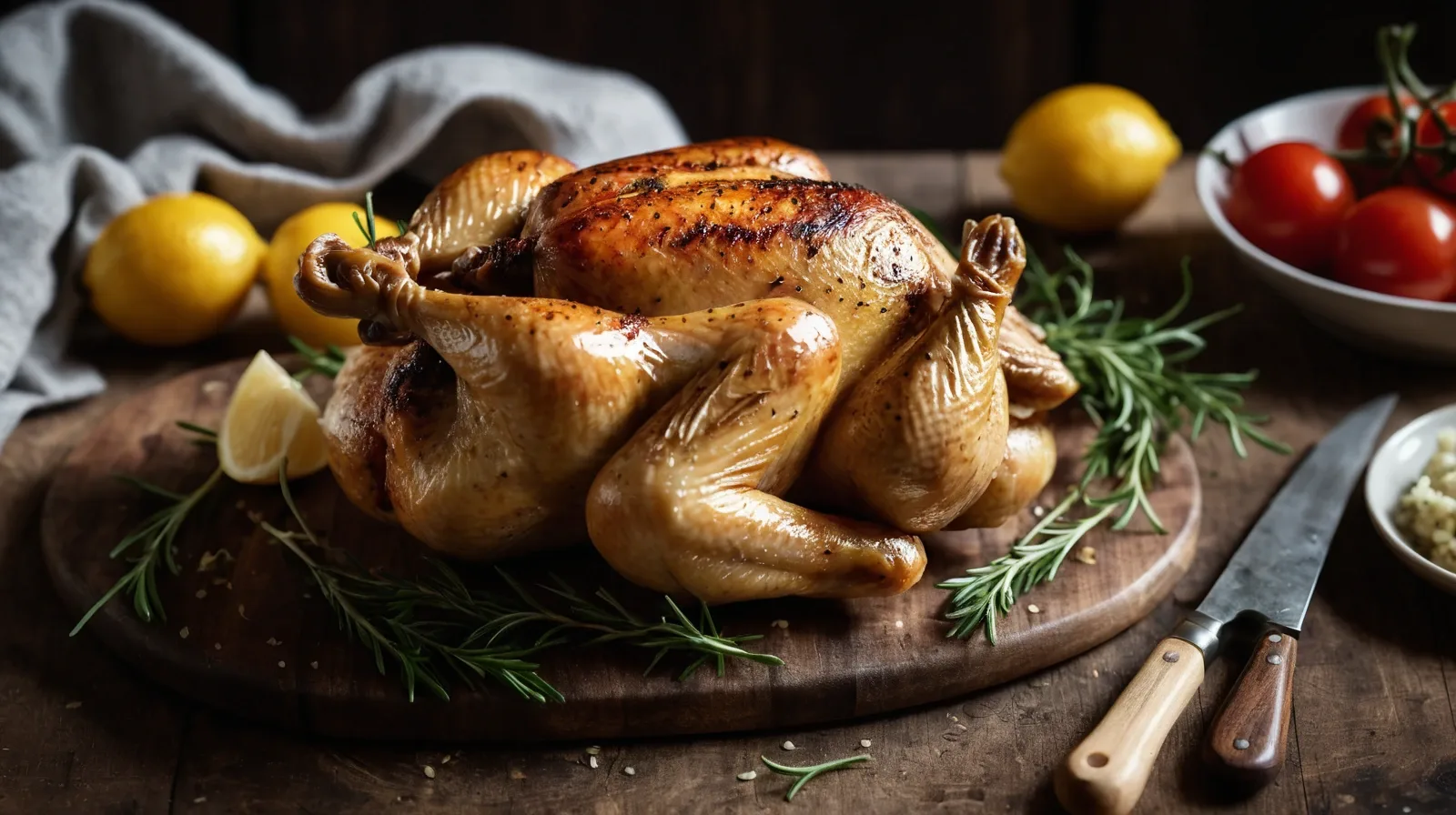
Let's face it: roasting a chicken can feel like performing culinary alchemy. But with the right techniques, you'll turn that raw bird into a crispy-skinned, juicy masterpiece that'll have everyone at the table singing your praises.
Why Roast a Chicken?
Roasting a chicken isn't just about dinner; it's about efficiency. One chicken feeds a crowd, leaves you with leftovers for creative meals throughout the week, and provides stock for soups and gravies.
Choosing Your Bird
The journey to roast chicken perfection begins at the market. Look for a chicken around 4 to 5 pounds—big enough to feed a family, small enough to cook evenly.
Fresh vs. Frozen
Fresh is ideal, but if frozen is your only option, thaw it properly in the fridge for a couple of days. Never rush this step—patience is key.
The Prep Work
Prepping your chicken properly is where the magic happens. Here’s the lowdown:
- Pat Dry: Dry the chicken thoroughly with paper towels. This is non-negotiable for crispy skin.
- Season Generously: Salt and pepper inside and out. Don't shy away from generous amounts of seasoning.
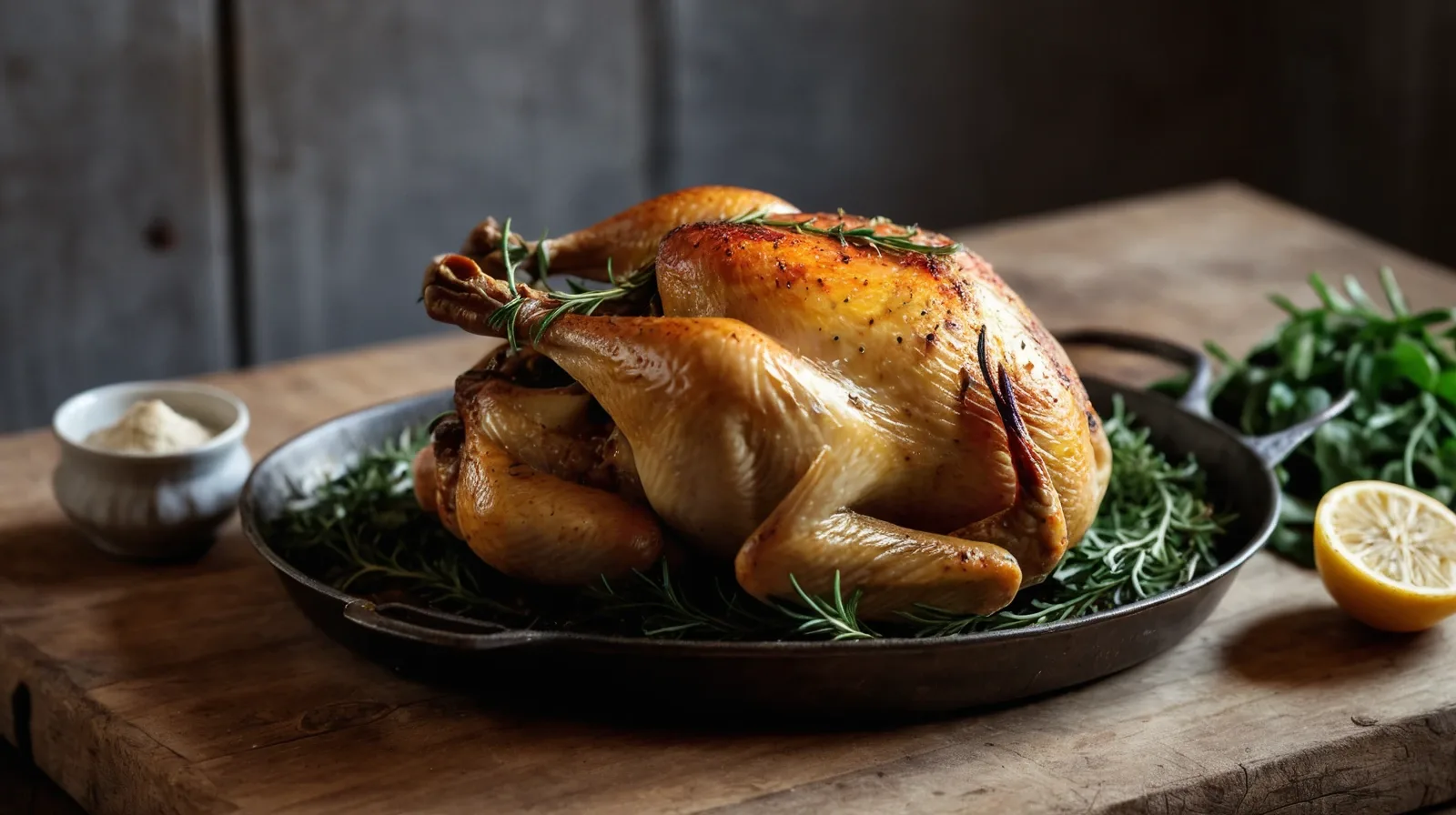
- Get Creative: Add herbs like rosemary, thyme, or garlic for extra flavor.
Roasting Techniques
The Right Temperature
Preheat your oven to 425°F (220°C). The high heat is crucial for that sought-after crispy skin.
Trussing Tips
Trussing your chicken isn’t just for show—it helps cook the bird evenly. Use kitchen twine to tie the legs together and tuck the wings under.
Basting: To Do or Not to Do?
Basting adds moisture, but opens the oven door too often, which can lower the temperature and extend cooking time. Baste once or twice, but don’t obsess over it.
Cooking Time and Testing for Doneness
Place your seasoned and trussed chicken breast-side up on a roasting rack in a roasting pan. Roast for about 75 to 90 minutes. Use a meat thermometer—the internal temperature should reach 165°F (74°C) in the thickest part of the thigh.
Resting and Carving
Let It Rest
Once your chicken is done, let it rest for at least 15 minutes. This lets the juices redistribute, ensuring a moist and flavorful bird.
Carving with Confidence
Carving can be intimidating, but it's just like cutting a pie: start with a sharp knife and take your time. Remove the legs first, then the wings, and finally slice the breast meat.
Mini FAQ
Can I Stuff My Chicken?
Absolutely, but keep in mind it will extend the cooking time. Stuff the cavity loosely and check the internal temperature of both the chicken and the stuffing.
What About Leftovers?
Store your leftovers in an airtight container in the fridge for up to four days. Transform them into sandwiches, soups, or salads for inventive meals throughout the week.
Closing Thoughts
Roasting a chicken doesn't have to be daunting. With these pro tips under your belt, you'll confidently turn out a restaurant-worthy bird in your own kitchen. Remember, practice makes perfect—so fire up that oven and get roasting!