How to Cook with Wine (Without Overdoing It)
Learn how to use wine in cooking without overpowering your dishes. Tips for selecting, reducing, and balancing flavors for culinary success.
The Art of Cooking with Wine
Cooking with wine can elevate your dishes from ordinary to extraordinary, but it's easy to slip up and end up with a dish that tastes more like a boozy mess than a culinary masterpiece. Fear not! Here's your guide to using wine in cooking without going overboard.
Selecting the Right Wine
First things first: not all wines are created equal, and neither are their roles in the kitchen. A general rule of thumb is to cook with a wine you'd drink. If you wouldn't sip it, don't use it in your recipe.
- Red wines like Cabernet Sauvignon or Pinot Noir are great for braising meats, adding depth and complexity.
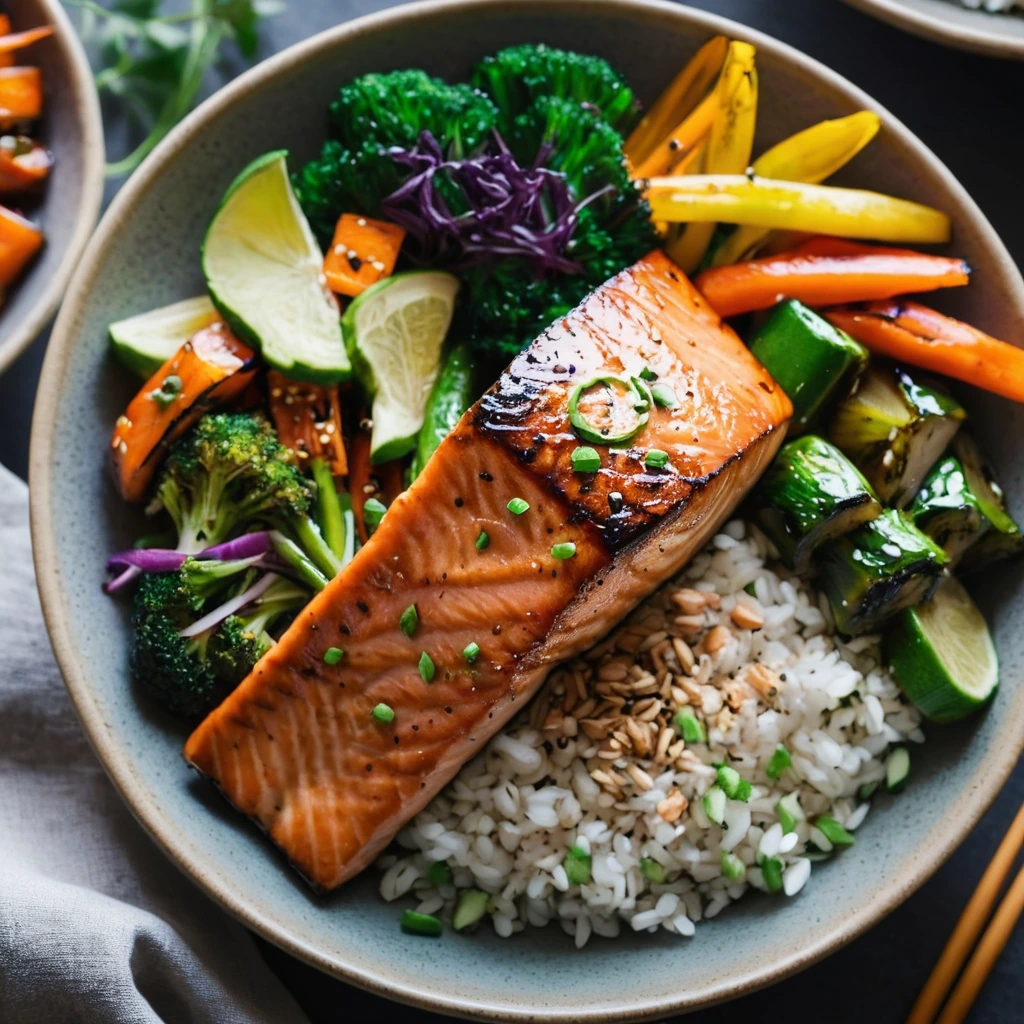
- White wines such as Chardonnay or Sauvignon Blanc work beautifully with seafood, poultry, and lighter dishes.
- For desserts, consider a sweet wine like Marsala or Madeira.
The Importance of Reducing
Ever notice how some recipes tell you to "reduce" the wine? That's not just fancy chef jargon. Reducing wine concentrates its flavors, mellows the alcohol, and intensifies its contribution to your dish. Here's a simple reduction method:
- Add your chosen wine to a pan.
- Simmer gently, allowing the liquid to decrease by half or more.
- Keep an eye on it – too much reduction and you'll end up with a sauce that's overly potent or worse, burnt.
Balancing Flavors
Wine is powerful stuff, and it's easy for its robust flavors to dominate a dish. Balance is key. Here are some tips:
- Pair acidic wines with rich dishes to cut through the fat.
- Counteract dry wines with a touch of sweetness, like a drizzle of honey or a squeeze of lemon.
- Remember, salt enhances flavor, so a pinch can help your wine sing without shouting.
Actionable Tips for Cooking with Wine
Now that we've covered the basics, let's get down to some actionable tips that'll make you a wine-cooking wizard:
Start Small
When in doubt, start with a small amount of wine. You can always add more, but you can't take it out once it's in there.
Let the Alcohol Evaporate
If you're cooking for teetotalers, remember that prolonged cooking times can reduce the alcohol content. Simmer your dish for at least 30 minutes to ensure most of the alcohol cooks off.
Experiment with Wine Varieties
Don't limit yourself to just one type of wine. Experiment with different varietals to discover unique flavor profiles that work best for your dishes.
Mini-FAQ
Can I Use Leftover Wine from Dinner?
Absolutely! If you opened a bottle of wine with dinner and have leftovers, don't hesitate to use it in cooking the next day. Just ensure it's still good to drink.
What If I Don't Have Wine?
No wine? No problem! Use alternatives like broth, juice, or even water with a splash of vinegar to mimic acidity.
Does Cooking with Wine Require Special Equipment?
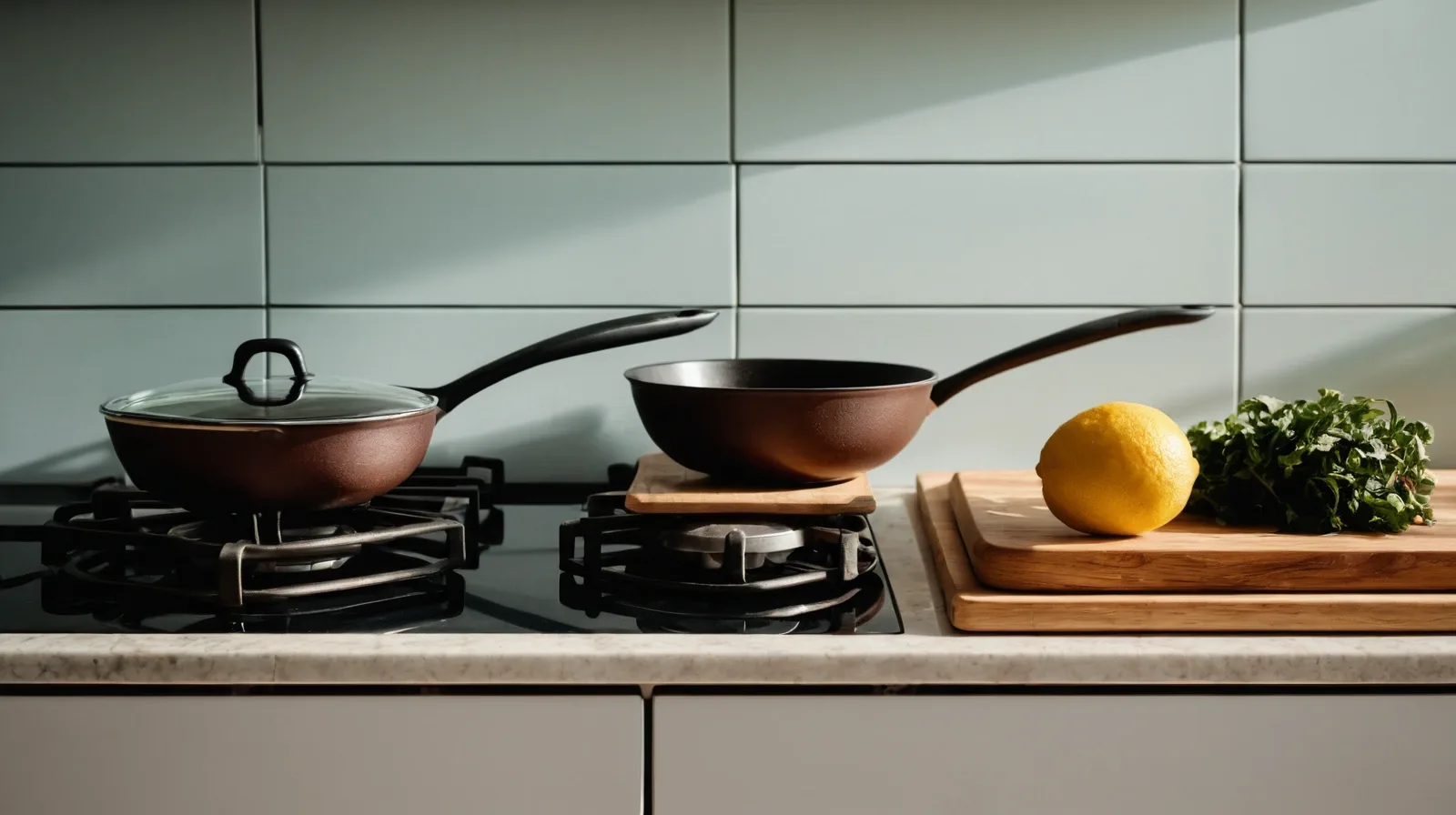
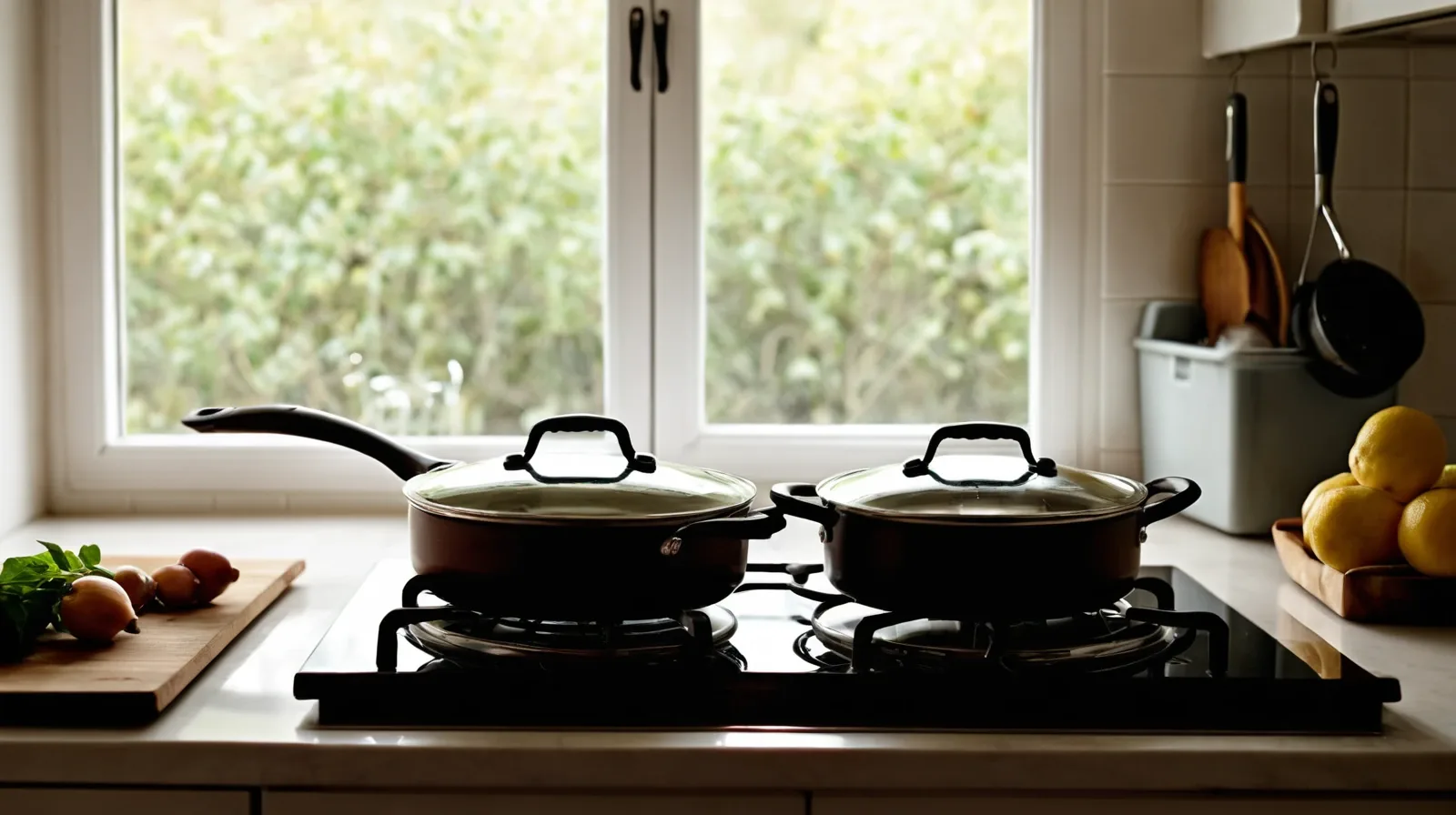
Not really. A good pan and a stovetop are all you need. But if you're flambéing, you'll want to exercise caution and maybe keep a lid handy.
Closing Thoughts
Cooking with wine is like seasoning with salt – a little goes a long way. By selecting the right wine, reducing it properly, and balancing its flavor, you can turn everyday meals into something extraordinary. Remember, the best part of cooking is experimenting, so grab that bottle and start dropping some culinary magic in your pantry!